
Eurovision: Austria triumphs with JJ, Israel causes controversy
Lucio Corsi is fifth, last Gabry Ponte for San Marino. Final among controversies, improbable choreographies and mysterious votes

3' min read
3' min read
There is a moment at the Eurovision Song Contest when everything becomes clearer. It is not during the songs (almost never), nor when the televoting closes. It's when, after the show is over, you find yourself humming ABBA's Waterloo and can't remember half a verse of the winning song. That's when you realise what ESC really is: an event where the focus might be different from what you expected.
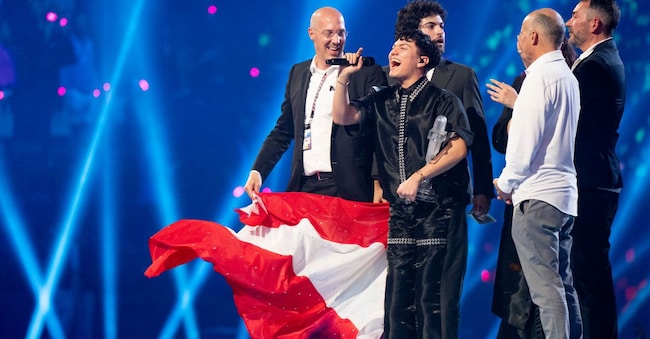
Triumphant, at the St. Jakobshalle in Basel, was Austria with JJ: real name Johannes Pietsch, 24 years old, Austrian father and Filipino mother, countertenor voice and a declared predilection for that genre that mixes, without too much formalism, opera and pop music. He performed on a mock boat in a mock stormy sea, and did not skimp on either the high notes or the dramatic interpretation of tormented love. The audience applauded, he was moderately moved at the press conference, and declared that he would like to host the next edition, which - as per the rules - will be organised in Austria. In fact, everyone is betting that Conchita Wurst, the perfect Eurovision creature, still unmatched in the category 'symbols with staying power', will probably end up on stage.
Behind JJ, Israel. A position that caused controversy. Mainly because of what could not be said: the TVs were asked to play down the dissent about the Israeli presence - present, inside and outside the St. Jakobshalle. Everything went smoothly on the surface, but the narrative 'united by music' showed some inevitable sags.
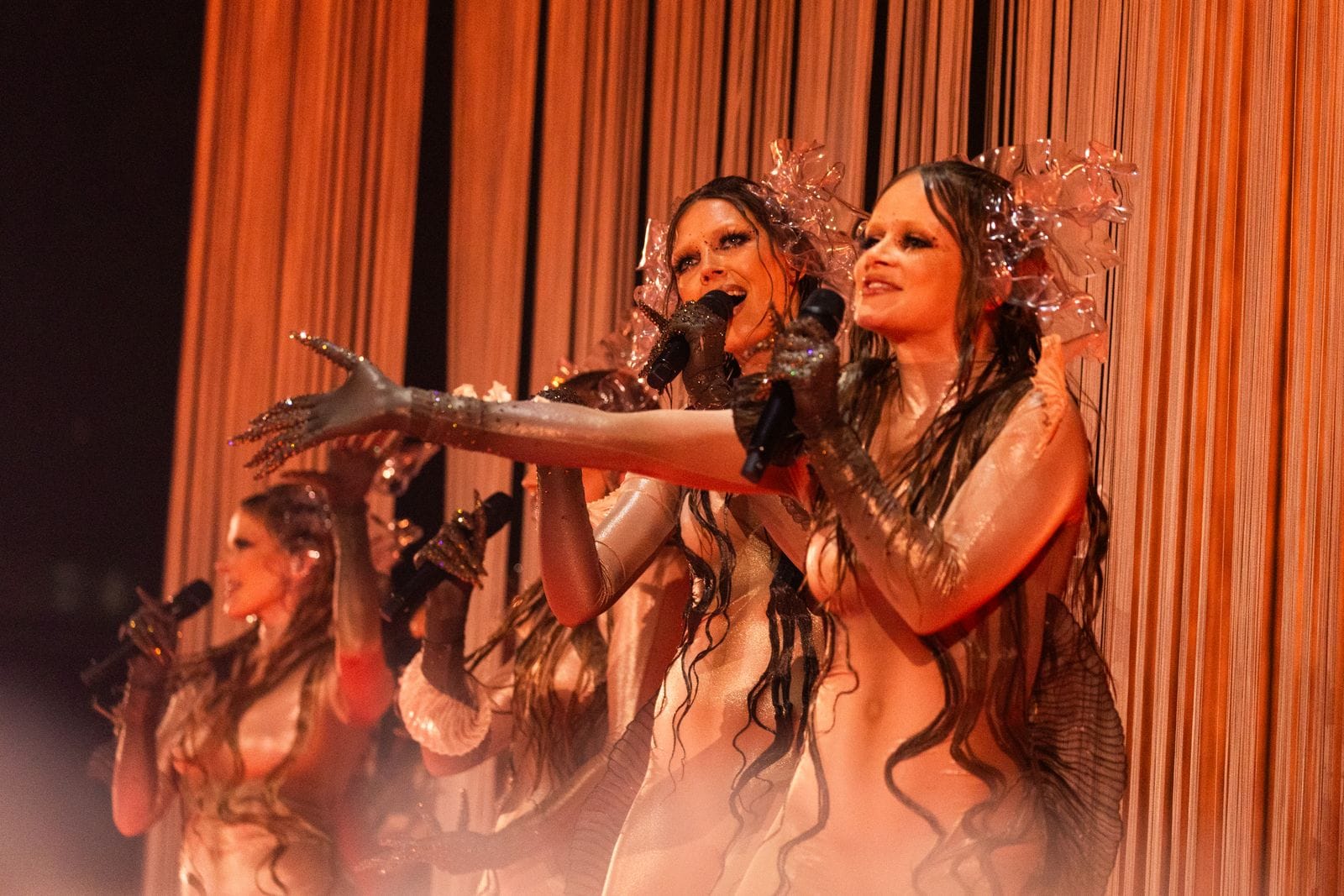
Among the performances, the most expected ones disappointed, and the most bizarre ones entered the hearts of the public. Spain, given as one of the favourites, finished third to last. Latvia's Tautumeitas looked like mermen out of a tropical aquarium, Malta's Miriana Conte like a cubist from another dimension, while Iceland's Væb made anyone who associates Iceland with Björk and Sigur Rós cringe. At Basel's Arena plus - the city's stadium, where the show was watched on a big screen by 36,000 people - the local DJ (Antoine) mixing Ricchi e Poveri's It will be because I love you was more exciting than Swedish Kaj's homage to the sauna or Finland's vaguely soft-core screams (represented by Erika Vikman, who evoked amplexes suspended from a giant microphone): a stereotypical Nordic match, sensuality versus steam. On points the latter won, to the enthusiasm of the audience the former. As for the Estonian Tommy Cash, who came third, there is no denying his ability to entertain: but of his Espresso macchiato - a parody of Italy gone viral - no one was talking about it any more by breakfast time on Sunday morning.
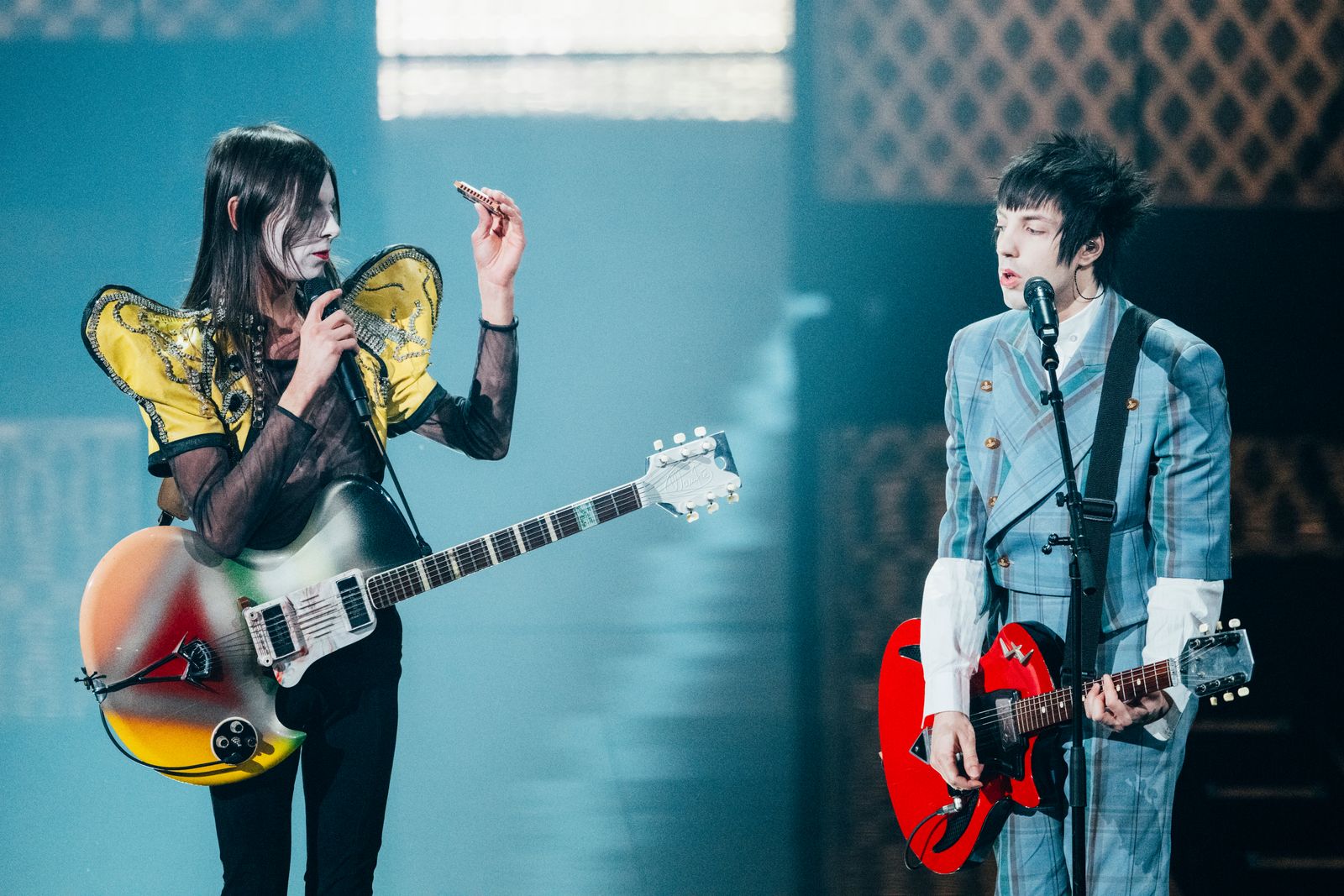
So we come to Italy, the real Italy: Lucio Corsi, consistent in his indie aplomb, finished fifth. Refined, misplaced, poetic: probably the best you could get while remaining yourself. San Marino, with Gabry Ponte, came last. But with a concert at San Siro already sold out for 28 June, the balance is safe. The Italian jury didn't vote for him? Patience. Eurovision is also this: elusive logic, inexplicable scores and a certain tendency towards spectacular injustice. By the way: the zero points to Switzerland from the televote - right in its Basel - remains one of the evening's mysteries. As well as the twelve awarded by the Italian jury to the English Remember Monday, one of the least defensible participants of the entire event. Another enigma of the finalissima was Céline Dion, winner of Eurovision in 1988 (in which she participated for Switzerland): her presence had been taken for granted by the usual well-informed, at one point the news spread that her jet had landed in Basel, and then nothing. Just to add more gossip to a kermesse that plays with gossip to the hilt.

