
Excise Duty Decree: broader restrictions on unsolicited telemarketing scrapped; the bill now returns to the Senate
Provisions on sulphur, cooperatives and linguistic minorities have also been struck out. Following approval by the Chamber of Deputies, the bill will have to return to the Senate for a third reading
by Marco Mobili and Giovanni Parente
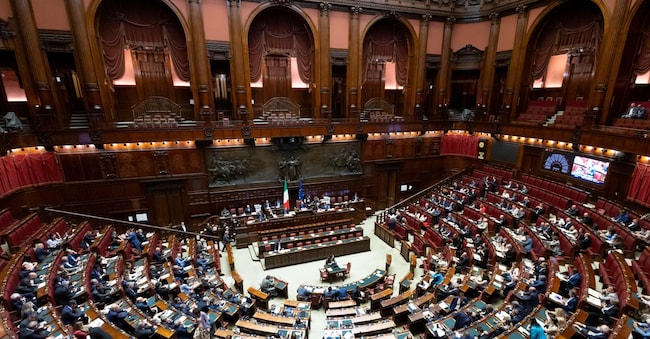
The path of the ‘Excise Duty III’ decree through the Chamber of Deputies is shrouded in uncertainty. Or rather, the text approved by the Senate has been watered down by the Government – partly at the urging of the President of the Republic – with four amendments striking out provisions; having secured approval in the Chamber of Deputies (149 votes in favour and 95 against), it must now return to the Senate for a swift third reading (the decree expires on 29 June). Surprisingly, in fact, there has been a U-turn on extending the restrictions on telemarketing to the telecoms sector as well.
The measure introduced during the Senate Finance Committee’s deliberations provided for an extension of the limits already introduced last April under the Energy Decree. However, the approval had already been marked by the green light given to a second version of the amendment, even though a third, revised version had been submitted before proceedings began but was not officially tabled. This measure, like the others struck out by the Finance Committee of the Chamber of Deputies, was deemed inconsistent with the urgent measures against high fuel prices contained in the excise duties decree.
Sulphur production
Three further provisions on sulphur, cooperatives and linguistic minorities have been dropped. With regard to sulphur, the amendment aimed to limit the economic impact of the continuing rise in the price of sulphur and sulphuric acid – which are used in numerous industrial and agricultural processes – by regulating their production and key components.
Cooperatives
The provision, also introduced in the Senate, which provided for the extension until 30 November 2027 of the current banking and credit regulations relating to co-operative societies, has also been struck out.
Language minorities
The amendments relating to the tax credit for linguistic minorities have also been scrapped. In all relevant cases, the provision replaces the requirement for the presence of a historical linguistic minority – with a minimum threshold of 15 per cent of the resident population – with an exclusively territorial criterion, based on the boundaries of municipalities as defined under Article 3 of Law No. 482 of 1999. The measure aimed to standardise and simplify the identification of territories eligible for the incentives, aligning the eligibility criteria with pre-defined administrative boundaries rather than relying on demographic assessments of the size of linguistic minorities.


