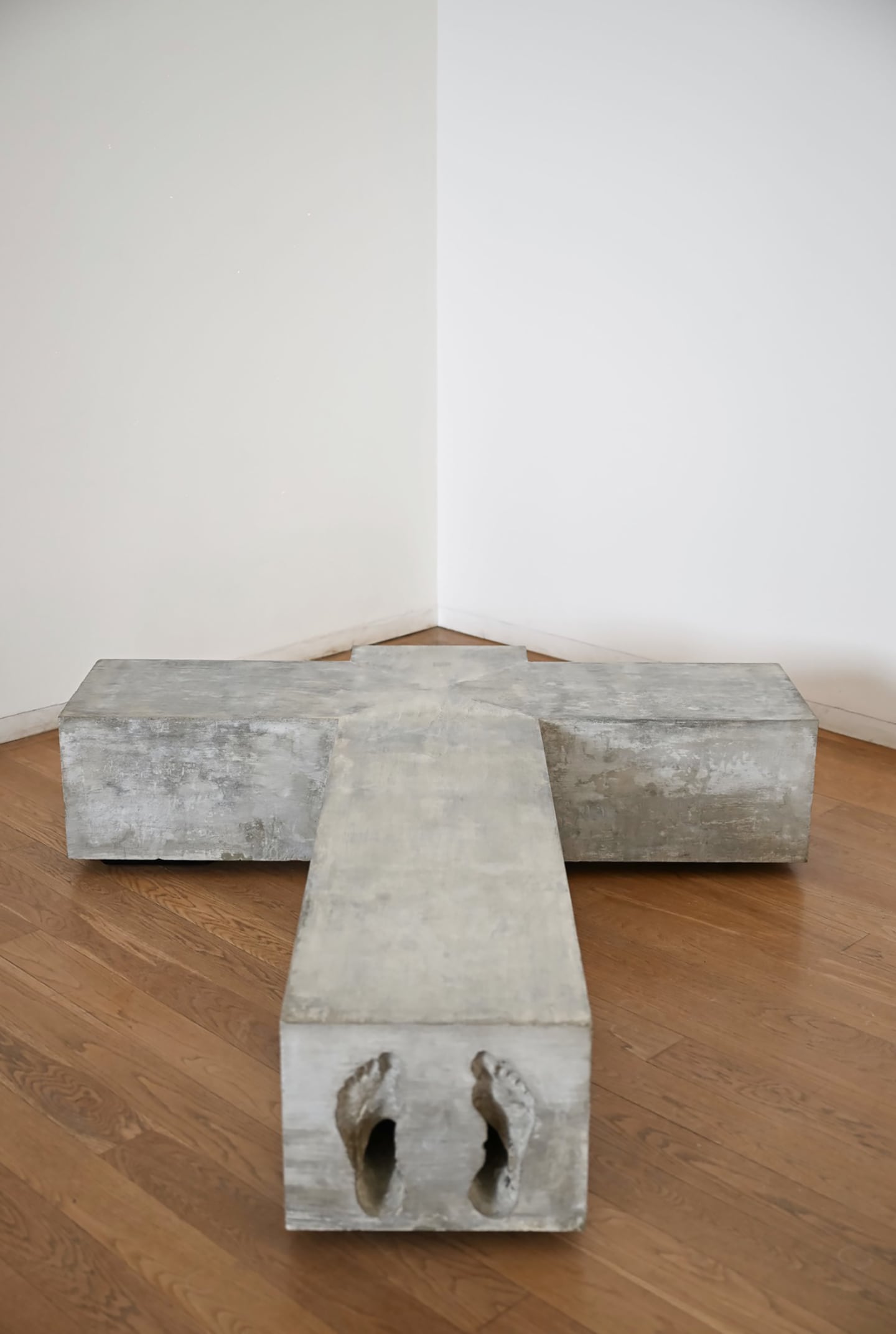
The exhibition at the Serralves Foundation
*Vexation of Spirit*, which brings together works from the Duerckheim Collection to explore the themes of war, religion and society through the lens of contemporary art

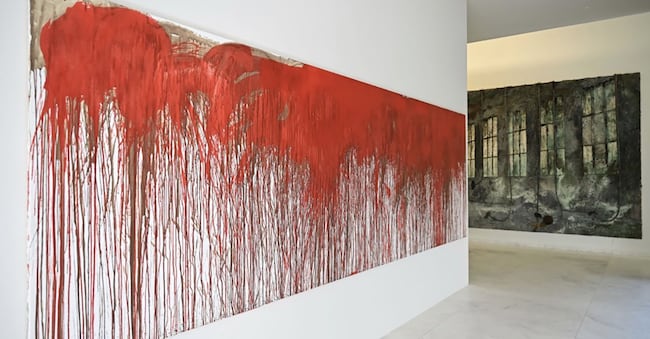
(Porto) – Beauty, left to its own devices, risks becoming mere decoration, whilst true beauty often begins where consolation and order end, for it requires the crack, the wound and the imperfection. Charles Baudelaire wrote that ‘beauty is always bizarre’, a definition that continues to sound surprisingly modern, because it suggests that harmony, to be authentic, must retain something irreducible and restless. This is the sentiment that accompanies Vexation of Spirit. The Duerckheim Collection x Serralves, the major exhibition hosted by the Serralves Foundation in Porto until 6 November 2026. The title is taken from Ecclesiastes, from that ‘vexation of the spirit’ which has permeated the human condition long before the advent of psychoanalysis and contemporary philosophy. There is no more fitting word to introduce a collection that addresses religion, war, guilt, memory, violence and redemption without succumbing to either moralising or the aestheticisation of pain.
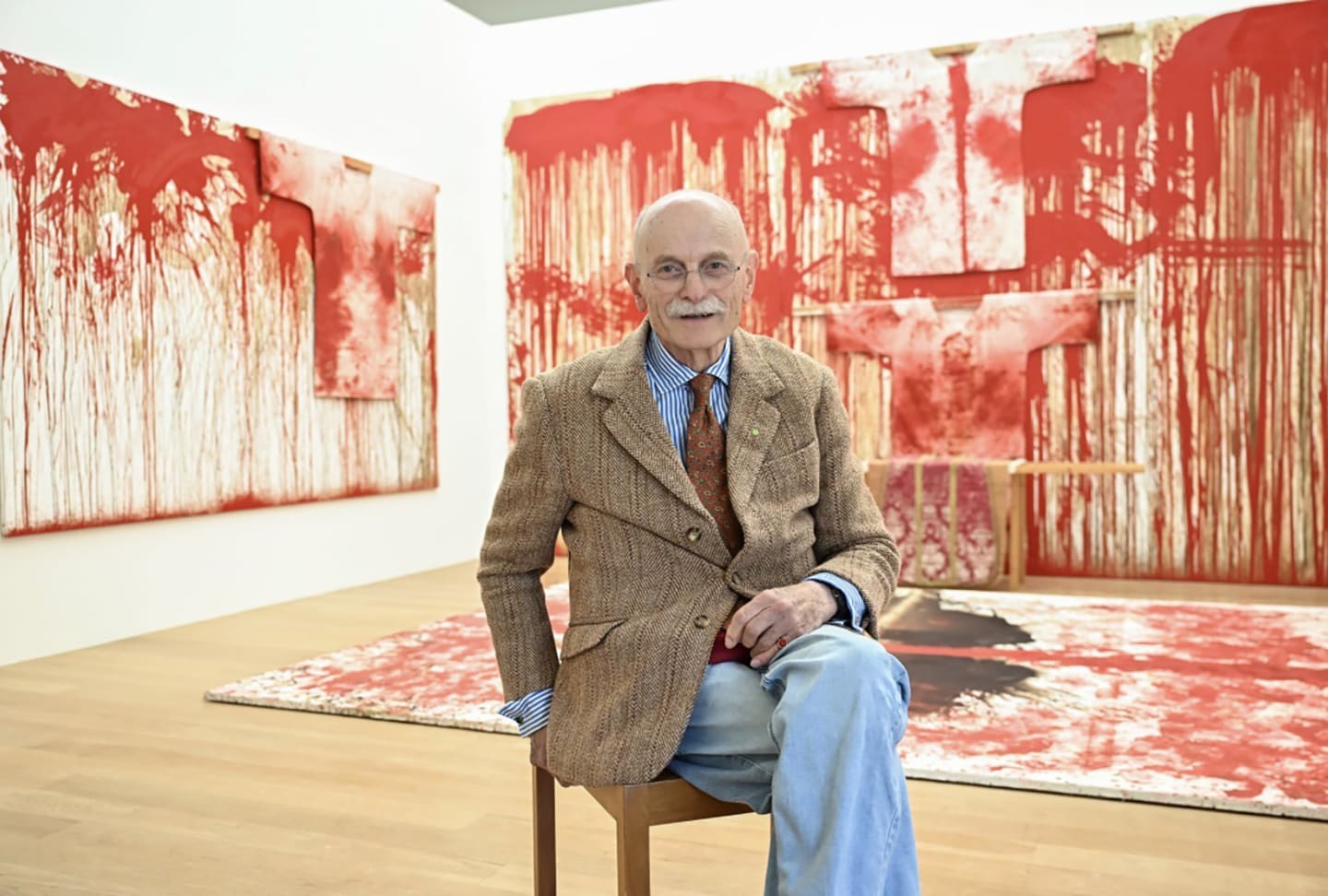
Count Duerckheim’s collection, built up over a period of forty years, is regarded as one of Europe’s most important private collections of contemporary art. Ninety works by thirty-four artists form a journey through the last seventy years of Western history, as if it were a single, great moral narrative. Francisco de Goya seems to reach out to Anselm Kiefer; Gerhard Richter engages in dialogue with Sigmar Polke; Damien Hirst, Gilbert & George, Antony Gormley, Zhang Huan and Jake and Dinos Chapman share the same space without their stylistic differences ever creating a divide. What image can still tell the story of humanity after the great upheavals of the twentieth century? That is the question that unites them.
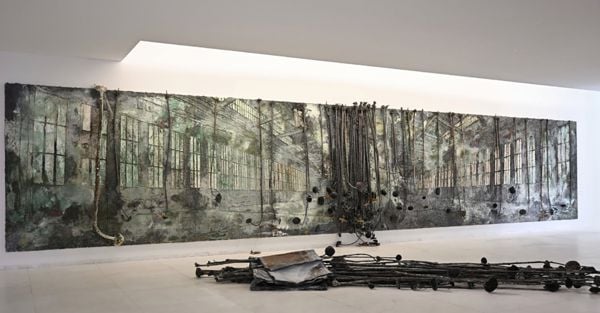
Umberto Eco, in his History of Ugliness (La nave di Teseo), pointed out that ugliness possesses its own aesthetic dignity when it succeeds in revealing a truth. Here, ugliness is neither provocation nor an exercise in cynicism, but the language necessary to recount a century that has witnessed Auschwitz, Hiroshima, totalitarian regimes, civil wars, terrorism and the dissolution of religious and political certainties. Beauty is not denied, but forced to change form.
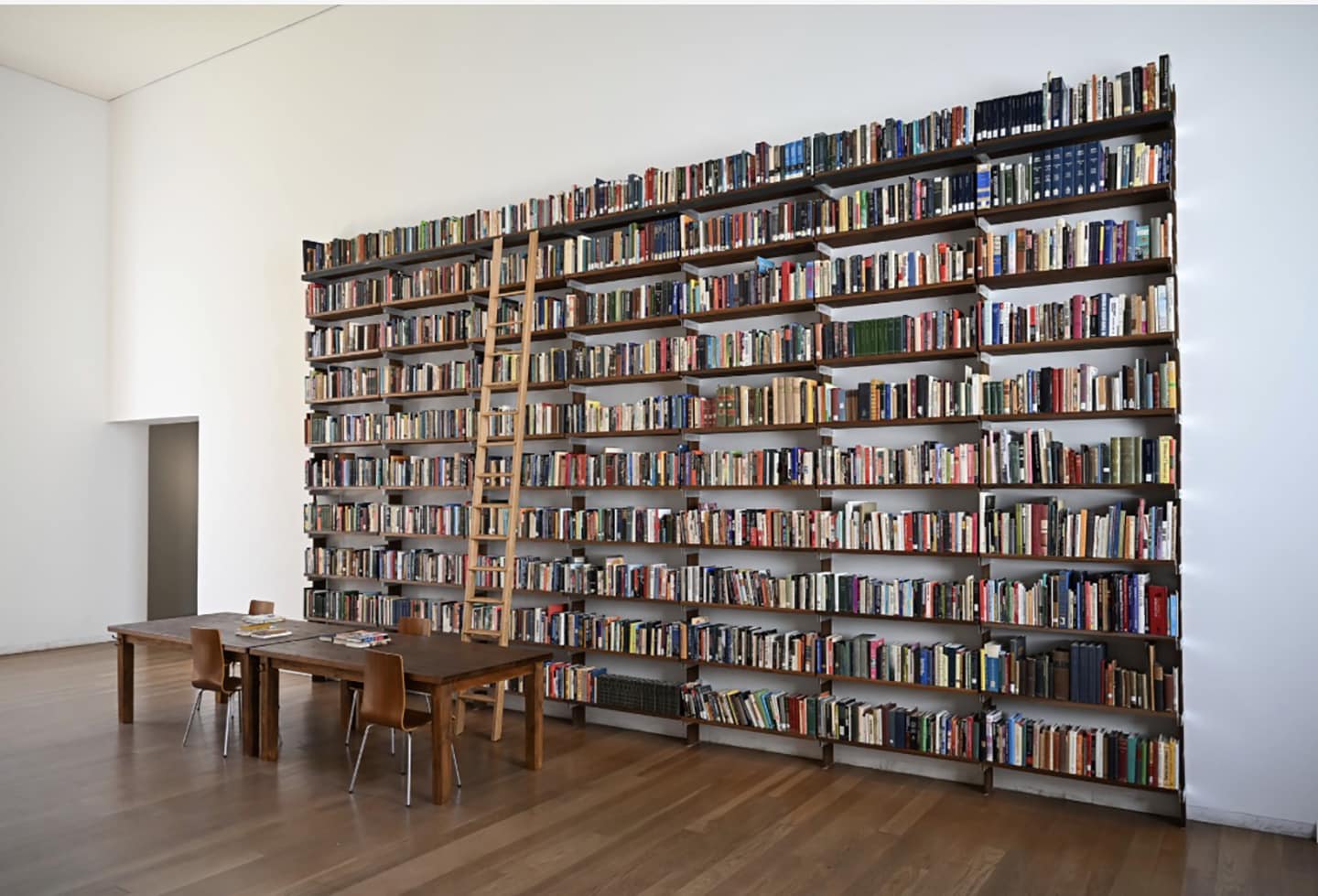
Perhaps beauty does not lie in what reassures us, but in what continues to challenge the gaze once the initial sense of wonder has faded. In those rooms, art once again becomes a spiritual matter in the most ancient sense of the word: that which concerns humankind when faced with its own limitations. Rainer Maria Rilke had intuited this with one of modernity’s most striking definitions: ‘The beautiful is but the beginning of the terrible that we can still endure’; never has a phrase been more apt for describing this exhibition, hosted in a venue – the Serralves Foundation, one of Porto’s great wonders and, without exaggeration, one of Europe’s most successful museum complexes – which adds its own special touch. Designed by Álvaro Siza Vieira, it emerges from the greenery with the discretion of architecture meant to endure. The white structures capture the Atlantic light; the windows transform the trees into living paintings; silence becomes an integral part of the visit, whilst all around stretch the vast park, the Art Deco villa, the geometric gardens, the woods and the ponds featuring works – including, amongst many others, those by Maurizio Cattelan and Anish Kapoor – in an almost miraculous balance between nature and design.
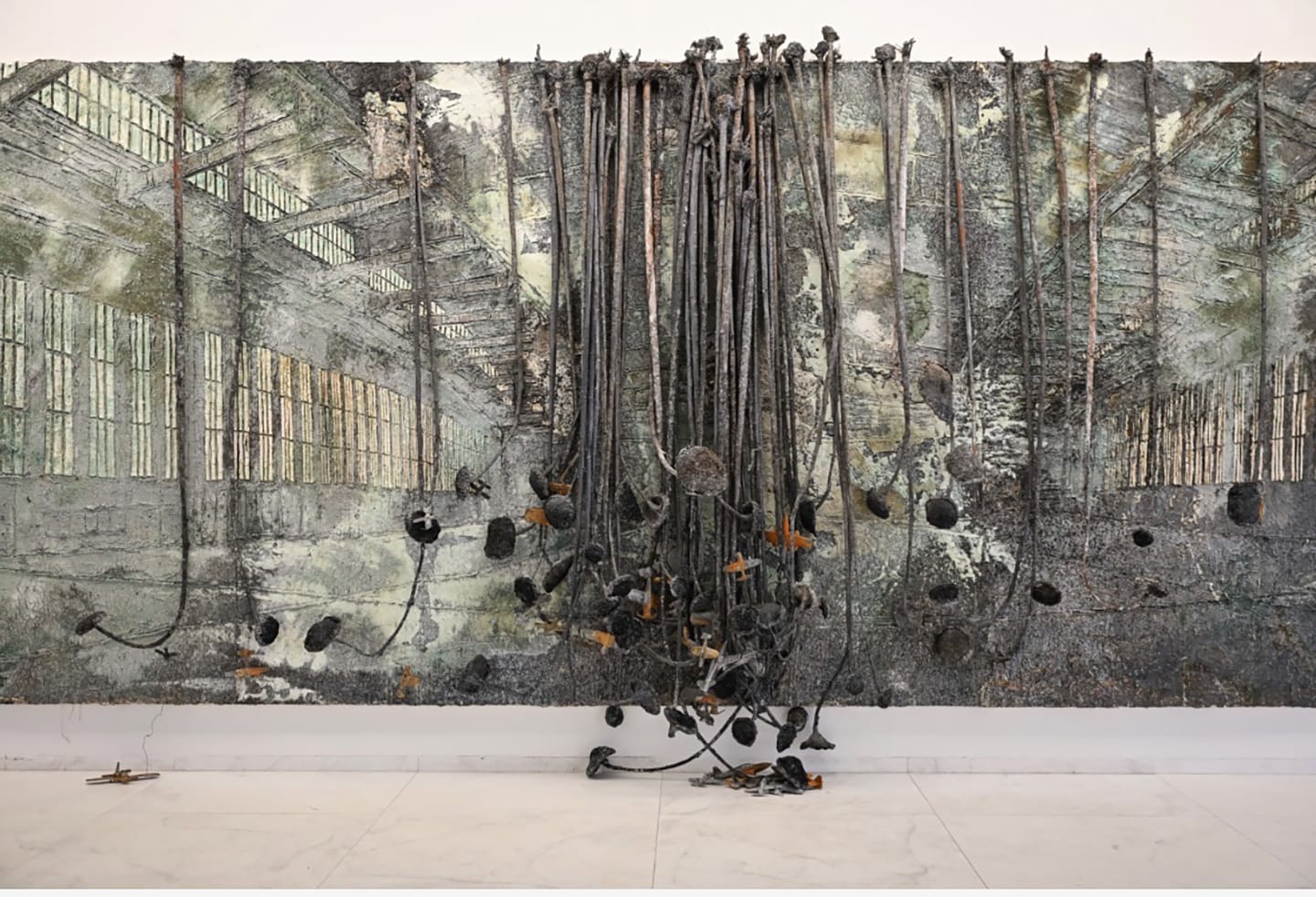
Porto, too, seems to share this sense of proportion. A city of granite and azulejos, of sudden inclines and glimpses of the Douro, it retains a luminous melancholy that sets it apart from every other European tourist capital. In the Lordelo do Ouro neighbourhood, where Serralves is situated, the noise of the city centre gives way to greenery and the proximity of the ocean; the light changes, the air becomes more humid, and time slows down. 2026 will be remembered as an exceptional year for Serralves, with major exhibitions dedicated to Frank Gehry, Lee Ufan, Alice Neel and Jenny Holzer.