
Growth of exotic fruit in the shopping cart, but avocados cost 30% less than 20 years ago
According to Cso data, the sale of exotic fruit in Italia exceeded 900 thousand tonnes per year. Record increases for apples and tomatoes
by Food Editor
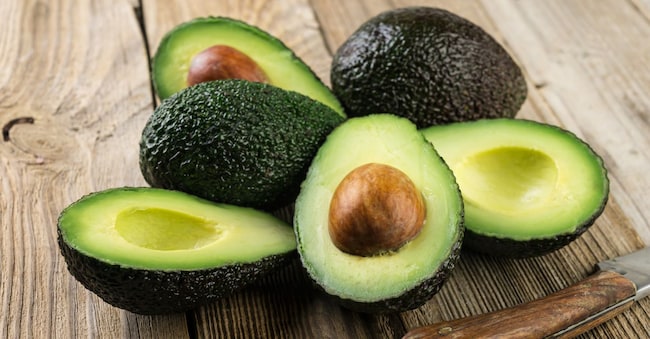
The avocado, used practically only for guacamole until not so many years ago, is now among the superfoods that feature on Italian tables. But it costs 30% less. Kale, the fodder kale, has become trendy: it is eaten in salads, made into baked chips or drunk in green smoothies. Soy sprouts, previously only found in Japanese restaurants, are now replacing lettuce in the coolest salads. And while the classic potato has given way to the sweet orange potato, a favourite of gym-goers due to its low glycaemic index, the influence of Hawaiian and Asian cuisine has introduced 'sea' vegetables and side dishes such as the wakame seaweed salad, which in 2006 no one would have eaten as a snack.
This is the new geography of Italian consumption, influenced by a mix of functional well-being and the digitalisation of culinary aesthetics, which emerged at the recently concluded edition of Fruit Logistica in Berlin, the world's most important trade fair for the sector.
According to data from the Centro Servizi Ortofrutticoli, consumption of exotic fruit has grown exponentially, exceeding 900,000 tonnes annually. But prices are also changing, with avocados rising from 3.50 to 5 euro per piece to 2.50 euro, thanks also to new production in Southern Italy. Paradoxically, it is the traditional products that suffer the greatest price increases, with apples going from EUR 1.20/kg to EUR 2.30/kg, an increase of 91% or tomatoes from EUR 1.50/kg to EUR 3.10 (+106%).
But what is also changing is the value of the trolley where service is the key factor. According to the NielsenIQ report of 2025, 35 per cent of the turnover in the fruit and vegetable department comes from fourth and fifth range, pre-washed salads, ready-to-eat soups and pre-cut fruit, with a consumer willing to pay a 40-50 per cent premium to save time. And if the apple remains the most purchased fruit in the counters by volume, the blueberry, mango, sweet potato variety dictates the economic value of the sector, marking the transition from a subsistence and traditional diet to one of performance and lifestyle.

