
Fakir, the post-mortem: asphyxiation and traces of blood in the lungs. The police officers’ defence: no excessive use of force
Fabio Anselmo, the Fakir family’s lawyer. “I am not a forensic pathologist, but I believe there may well be clear evidence of asphyxia caused by compression.”

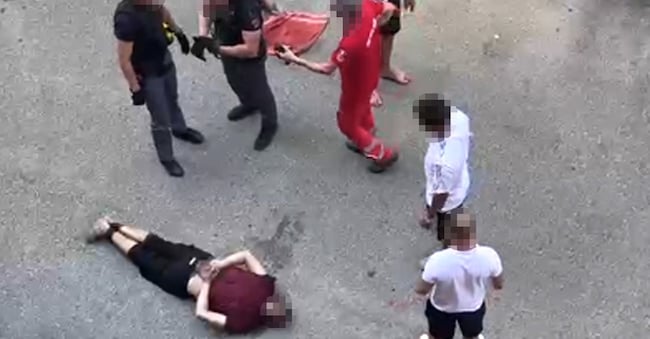
Possible signs of compression asphyxia and traces of blood in the lungs. These are the initial findings to emerge from the post-mortem examination of the body of Abderrahim Fakir, who died after being handcuffed and restrained during a police operation in Bologna. These findings are still provisional and will need to be verified and interpreted in the final conclusions of the forensic pathologists.
Fabio Anselmo, the Fakir family’s lawyer, has drawn attention to the possibility of asphyxiation. “I am not a forensic pathologist, but I believe there may well be clear evidence of asphyxiation caused by compression. However, we will have to wait for the experts’ conclusions,” he said at the end of the examination.
The post-mortem examination will need to clarify whether the restraint played a part in Fakir’s death and what significance should be attached to the presence of blood in his lungs. It will be the histological examinations and the experts’ overall assessments that will establish the full picture and reconstruct the link between the manner in which he was restrained and his death.
A different account has been put forward by the defence team representing the two police officers involved in the incident. According to the expert appointed by the officers, the examination did not reveal any evidence of excessive or violent use of force. “As far as I have been informed by my medical examiner, the thorough analysis carried out during the post-mortem examination did not reveal anything that could be attributed to excessive or violent action on the part of the two officers,” said lawyer Gabriele Bordoni.
The two police officers who attended the scene and four 118 emergency service personnel are involved in the proceedings. The police officers were wearing bodycams, which therefore recorded the various stages of the operation and may be used to reconstruct the sequence of events leading up to the roadblock.

