
Heating, one in two households consider biomass heat alternative to gas
Study for Project Fire. In direct comparison it is perceived as more convenient, more sustainable and better performing, especially by users who already have direct experience of it

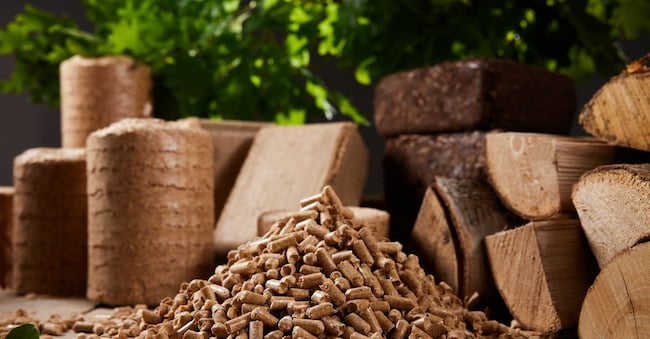
In a context characterised by concerns about rising energy costs, biomass heating systems are becoming an option that more and more Italian households are looking at favourably. Wood and pellets are already widespread, representing a structured market, with one in four households using them for heating, especially in rural areas, and in small municipalities. Biomass evokes warmth, comfort, sustainability and quality of life, and is perceived as cheaper and more sustainable than gas. This is why more than 50 per cent of households would consider installing a biomass system, with pellets being the most desired fuel. These are some of the data emerging from an unpublished survey conducted by Nomisma that photographs the knowledge and perception of woody biomass heating systems among Italian households.
Positive market outlook
Figures that open up positive market prospects for a supply chain that looks to the future with confidence and that will meet at Progetto Fuoco, the world's most important event dedicated to heating appliances and energy production through biomass, organised by Veronafiere and scheduled from 25 to 28 February at the Verona Exhibition Centre. The wood-energy supply chain as a whole counts more than 14 thousand companies in Italy, with a turnover of more than 4 billion Euro and over 72 thousand employees. Italian technology companies are the Made in Italy leaders and European market leaders, representing over 70% of the market. From stoves to fireplaces via boilers, barbecues and wood and pellet stoves: 430 brands will be present at Progetto Fuoco, 42% of which from 38 foreign countries, presenting all the market novelties on an exhibition area of 65 thousand square metres, spread over 7 pavilions and an outdoor area. More than 40 thousand trade visitors are expected in Verona, 10 thousand of them from abroad, who will be able to get a close look at at least 5,000 products on display. But the event will also be an opportunity to discuss the latest regulatory innovations in the field of energy efficiency and sustainable forest management, as well as offering a rich programme of conferences, workshops, round tables and professional refresher courses. The 2026 edition of Progetto Fuoco, we read, was presented during a press conference held at the Dream Factory in Milan. The event was attended by Federico Bricolo, President of Veronafiere, Monica Pontarin, event manager of Progetto Fuoco, Emanuele Di Faustino, Head of Industry, Retail and Services of Nomisma, Annalisa Paniz, Director General of AIE, Adolfo Rebughini, Director General of Veronafiere and Valeria Santolin, exhibition manager B2B area of Veronafiere.
Caro energy a central concern
"The data presented by Nomisma confirm that biomass heating is a concrete, modern and sustainable response to current energy challenges," commented Federico Bricolo, President of VeronaFiere. In this context, Progetto Fuoco, since 1999, is the natural home of the wood-energy supply chain: a leading appointment in the world, built together with companies and recognised by the market. The international format will continue to grow also abroad, with a new project dedicated to North-East Europe that will debut in January 2027". The survey carried out by Nomisma for Progetto Fuoco, conducted in January 2026 on a sample of 800 respondents representative of the Italian population, is set in a context characterised by strong economic and geopolitical uncertainty, in which the issue of expensive energy is a central concern for about 1 family out of 4, creating a favourable terrain for the evaluation of alternative heating solutions compared to traditional systems. In this scenario, woody biomass shows a good level of maturity in terms of knowledge and diffusion. More than half of Italian households claim to have heard of it and more than 4 out of 10 say they are familiar with it. Adoption is also far from marginal: about 1 in 4 households now use biomass heating systems - in the first and/or second home -, confirming that it is already an established technology in the domestic energy scene. An analysis of the profile of users shows a greater diffusion in small municipalities (37% of the sample) and rural areas (40%), especially in Southern Italy (30%), and in detached houses.
Knowledge not yet fully established
From a perceptual point of view, biomass heating is mainly associated with warmth, relaxation and conviviality. In direct comparison with traditional gas systems, it is perceived as more convenient, more sustainable and better performing, especially by users who already have direct experience of it. Among those who already use this type of system, fireplaces and thermo-fireplaces prevail (49%), followed by stoves and thermo-stoves (45%), while biomass boilers are a more residual solution (6%). The picture that emerges is that of an overall rather old plant heritage: more than half of the users have in fact installed their system more than ten years ago, highlighting a significant potential for technological turn-over. In this context, public incentives play a crucial role: tools such as Ecobonus, Conto Termico and Bonus Casa are perceived as a concrete lever to encourage adoption. However, awareness of them is not yet fully consolidated, being limited to just over one in three Italians. Once adopted, it is noted, biomass generates an overall positive user experience, with potential loyalty and word-of-mouth effects: users of biomass systems declare themselves overall more satisfied (49%) than those with other solutions (45%), with thermal comfort and consumption control emerging as the main drivers of satisfaction. Looking to the future, the potential for growth appears significant. In a hypothetical scenario of a new home, more than 1 in 2 households would consider installing a wood biomass system; among current users, the majority would make this choice again, with the share reaching more than 70%.

