
Farewell Alex Zanardi, Muhammad Ali of the Paralympics
"My name is Alex, and I am a pilot". Powerful, disruptive, unsettling in its effective simplicity, Alex's word. He spoke it during the opening ceremony of the Turin 2006 Paralympics

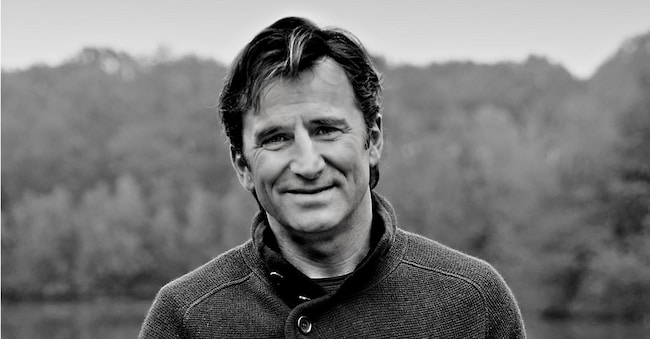
The Muhammad Ali of Paralympics is gone. Yes Alex Zanardiis to Paralympic sport (and not only) of the 21st century as Clay/Ali is to the whole of the 20th century, a century that thanks to his punches and his words all entered a boxing ring, only to flood out of that ring itself.
Sometimes it is not only the abysses that are frightening, but also the greatness of the feelings we are able to experience. And so, to deny today the objective dimension of the sporting and, I would say, almost political-social figure of Alex Zanardi would be to do him a disservice, certainly, but also to us, who were inspired by that man and that champion.
"My name is Alex, and I am a pilot". Powerful, disruptive, unsettling in its effective simplicity, Alex's words. Zanardi pronounced it during the opening ceremony of the 2006 Turin Paralympics, as he stepped onto the stage of the newly christened Olympic stadium in Turin, his crutches supporting him and reminding the world of the hell from which those words came, a whirlpool of fire, burning tyres and oil that had torn his legs off, that 15 September at the Lausitzring. His legs, indeed, but not his heart, had been swallowed up by that cesspool. So there he was, Alex Zanardi from Bologna, on that Paralympic stage in mondovision, telling everyone that destiny, even misguided destiny, is only a change of state, and that will and love and desire can try to tame it, or at least come to terms with it. Of course, this is not always the case, but so it must be, whenever there is even the slightest chance.
'The Taurine God was not ours/ but the God who colours with fire the lilies of the ditch ....': the poet's verses come to mind today when thinking back to Alex. Because with his example and his words, Alex Zanardi from Bologna had broken precisely this lugubrious and even speculatively hypothetical cause/effect link. The trajectories of Destiny, individual and collective, are not already written; there is no wounded flesh that can atone for who knows what archetypal and ancestral faults. Who says so? I, who without legs describe myself (and am) still a pilot, and who with the support of my crutches draw in the sand the path to follow for those who still do not know where to go.
He continued to point it out, that way, even with his silence, that resounding silence to which Destiny - in their continuous and respectful duel - had forced him after the second tragic accident, in 2020, caused by the impact of his handbike with a lorry during the first edition of his charity relay race in the hills around Pienza, in Tuscany. After all, had not Ali, the last and silent torchbearer in Atlanta '96, done the same? His muteness, his trembling hand, but his still lively and aware gaze had then launched a last global message, a new reflection in the values of Olympism that came - a painful paradox - from the man who had changed the history of the century that was going to die out even more with words than with his fists.


