Cinema

Farewell to Béla Tarr, the extraordinary filmmaker who narrated the Apocalypse

The author of masterpieces such as 'Satantango' and 'Werckmeister's Harmonies' has passed away at the age of 70

3' min read

Translated by AI
Versione italiana

3' min read

Translated by AI
Versione italiana

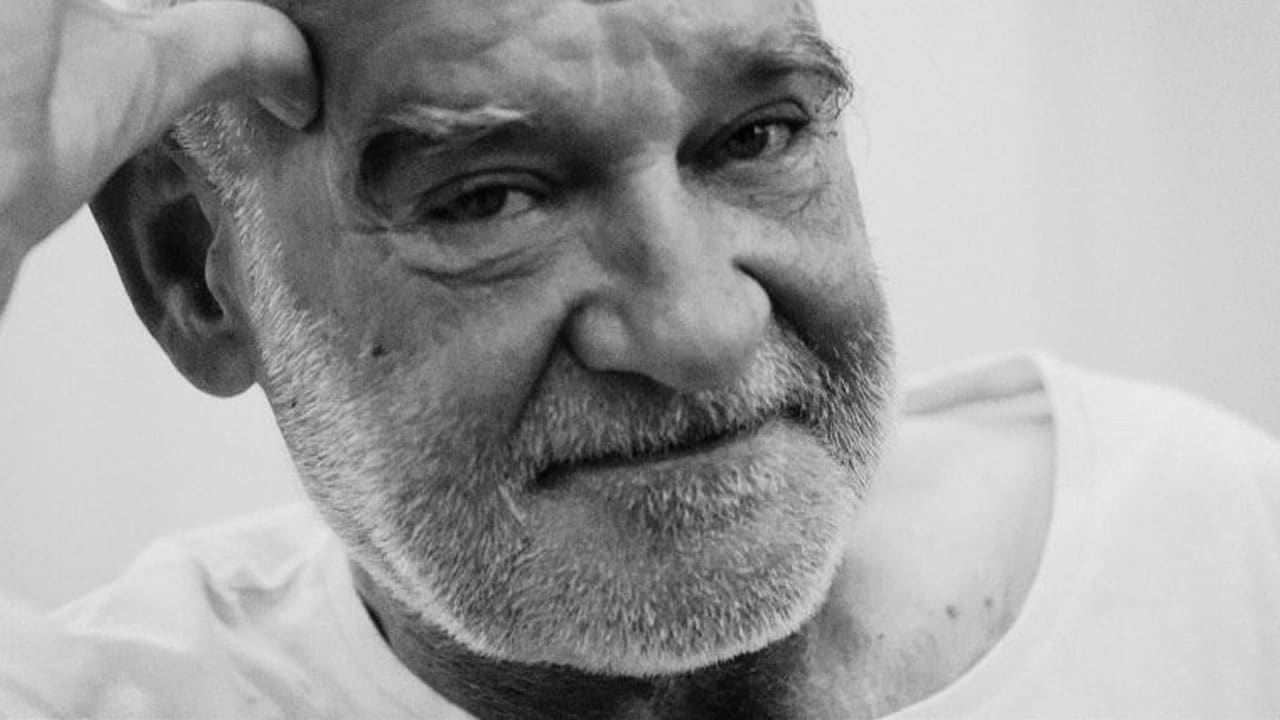
He was undoubtedly one of the greatest auteurs of contemporary cinema: Hungarian director Béla Tarr, beloved by film buffs the world over and able to challenge the public gaze with his torrential masterpieces, has passed away at the age of seventy after a long illness.

Little known to the general public, Tarr has created extremely symbolic films, often depicting the Apocalypse in metaphorical form and in various guises: an author who has always considered cinema as an art capable of "sculpting time" (to quote Andrej Tarkovskij, an author with whom one can certainly draw parallels) and has often collaborated with László Krasznahorkai, the writer who won the Nobel Prize for Literature in 2025.
Loading...

He was born in Pécs in 1955

Born in Pécs in 1955, Tarr became interested in directing during his teenage years, making amateur short films that brought him to the attention of Béla Balasz Studios, studios that helped him with a grant to make his feature film debut in 1979 with 'Family Nest'.

This was followed by "The Outsider" (1981), "Prefabricated Relationships" (1982) and the more refined "Autumn Almanac" (1984), films that define the first phase of a career marked by a style very different from that which would mark his later feature films: in these early works, Tarr makes extensive use of the hand-held camera and colour, elements that would essentially disappear as his career progressed. The style in these films is strongly realist and focuses on the story of characters struggling to survive in the Hungary of the period. One exception is his television adaptation of 'Macbeth' (1982), which has a more symbolic scope and in which Tarr begins to show his greatness in the use of the piano-sequence, a technical choice that will become extremely representative of his entire subsequent filmography.
 

Le armonie di Werckmeister

The change of style


The film that marks the decisive stylistic change in his career is the extremely powerful 'Perdition' (1988), co-written with László Krasznahorkai, who from then on will contribute to all of Tarr's film scripts.

With 'Perdition', the director makes a definitive switch to black-and-white film, relying heavily on shot plans and a cinematic breadth that recalls authors of the calibre of the aforementioned Tarkovsky, Orson Welles or Miklós Jancsó, to remain with the latter within Hungarian cinema.

Perdizione

"Perdition"

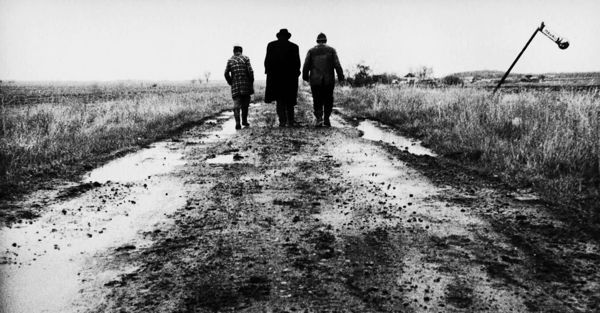
Set in a (non)place plagued by incessant rain, 'Perdition' is the film with which Tarr also begins to depict a highly symbolic Apocalypse, combining socio-political reflections with a cinematic language of extreme technical grandeur.

Satantango

These are the rehearsals for what was to become one of his greatest masterpieces, 'Satantango', which in 1994 redefined the rules of auteur cinema with a total running time of around 7 hours: based on the novel of the same name by Krasznahorkai, the film is an imposing allegory with the collapse of a collective farm at its centre, but it is also a great reflection on the power of narration, enhanced by a monumental work on the narrator's voice.

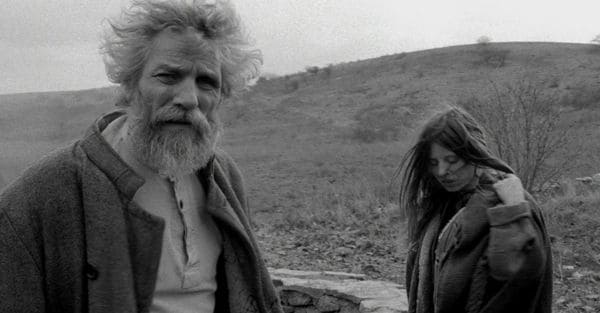
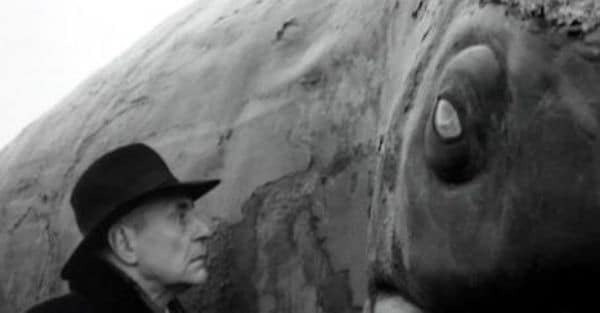
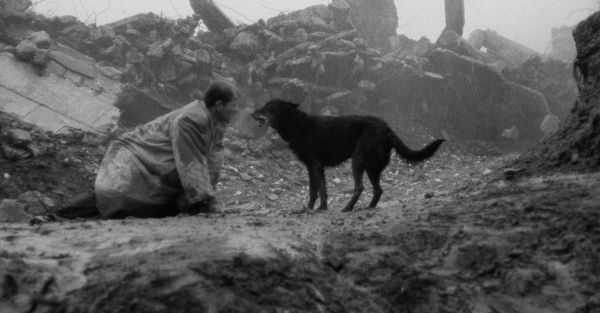
Six years later, Tarr repeated himself with 'The Harmonies of Werckmeister', another metaphorical depiction of the end of an entire world, set in a Hungarian village where the arrival of a mysterious circus with a giant stuffed whale will cause chaos in the town.

At the origin of this masterpiece - in which there are some of the most unforgettable sequence-plans in the history of cinema (just remember the one of the devastation of the hospital) - is the novel 'Melancholia of the Resistance', written by Krasznahorkai.


L’uomo di Londra

The latest films


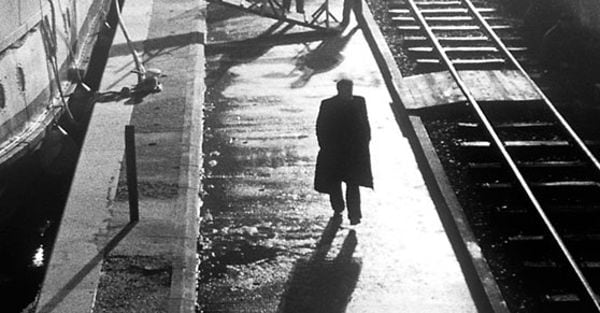
In 2007, Tarr churned out another monumental work with The Man from London, based on the novel of the same name by Georges Simenon: the result is an existential noir, with extremely refined cinematography and a remarkable musical apparatus. The soundtracks, created by his friend Mihály Vig, are in fact another of the most valuable elements of the Hungarian director's works.

Il cavallo di Torino

"The Turin Horse"

His career behind the camera ended in 2011 with "The Horse of Turin", a film in which Nietzsche is quoted at the beginning of the film, before a long shot in which a horse is framed bringing its master home in the midst of a particularly menacing windstorm.

Tarr's nihilist philosophy finds its fullest expression in this latest feature film, as profound as it is essential, photographed through an extremely contrasting black and white and by constant plays of light and shadow.

Tarr has since given up directing, but has continued to teach film, hold masterclasses and meetings at major festivals that have often hosted his work. His oeuvre has been a mosaic of hypnotic films, magnetic for the audiovisual force they have expressed and will continue to express. Those who have not yet seen Béla Tarr's films are lucky, because they will be able to discover one of the absolute peaks that the art of cinema has ever reached.

Copyright reserved ©
Loading...

Brand connect

Loading...

Newsletter

Notizie e approfondimenti sugli avvenimenti politici, economici e finanziari.

Iscriviti