
Farmagorà doubles turnover and invests 30 million to grow further
In 2026, the goal is to reach EUR 100 million in turnover, continuing to acquire an average of 12 companies per year and hire 70-80 new workers

3' min read
3' min read
After doubling its turnover in two years, from EUR 41 million in 2023 to an expected EUR 80 million this year, the pharmacy chain Farmagorà is preparing for a new phase of organic and external growth. "In June this year we will have 51 pharmacies and we are aiming for 80 million in turnover, but our goal is to close 2026 with 100 million in turnover and more than 60 pharmacies. Every year we acquire an average of a dozen and take on around 70-80 new employees, and this year alone we have planned 30 million in investments. This allows us to have a significant growth in turnover, taking into account that our organic growth is between 5 and 6%, above the market average'. These are the words of Marco Premoli and Francesco Carantani, co-founders and co-CEOs of the company with headquater in Bergamo, whose main shareholders include Italmobiliare of the Pesenti family, Fluorsid of Tommaso Edoardo Giulini, Narval Investimenti of the Giubergia and Argentero families, and Sogegross, a group operating in the large-scale retail sector headed by the Gattiglia family. A fundamental shareholding structure because 'our shareholders accompany us in our growth, underwriting capital increases so that we can then make investments,' explain Premoli and Carantani, who are guiding the chain's development. They are two different profiles, the first defines himself as a pure retail manager who, after a degree in economics and several experiences abroad in the sector, returned to Italy and specialised in retail, creating the MaxiZoo chain. The second, on the other hand, is an engineer by training, with an MBA from Berkeley and a past as CEO of pharmaceutical distributor Comifar. Pharmacy for Carantani has always represented a family world, coming from a family of pharmacists.
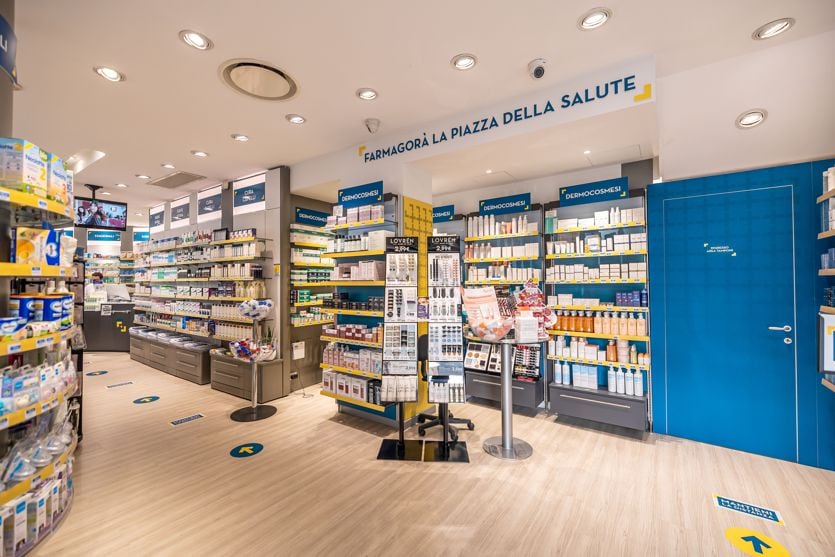
Italy presents itself as an interesting country for pharmacies on both the demand and supply side. On the former, "we are talking about a resilient market, unscathed by economic and geopolitical crises, with stable or slightly growing sales, also due to a demographic dynamic characterised by a stable population at 60 million and an ageing population in need of prevention and treatment. On the supply side, the interest is due to the fact that unlike in other countries such as Germany or France, there is a determined organic plan, with a relatively stable number of pharmacies. The liberalisation that has taken place since 2017 allows for a market where there are no longer only pharmacist-owners but also corporations and chains have entered. There is an aggregation by players who are acquiring pharmacies: today they represent 7-8% of the market but they are destined to grow," the two managers say.
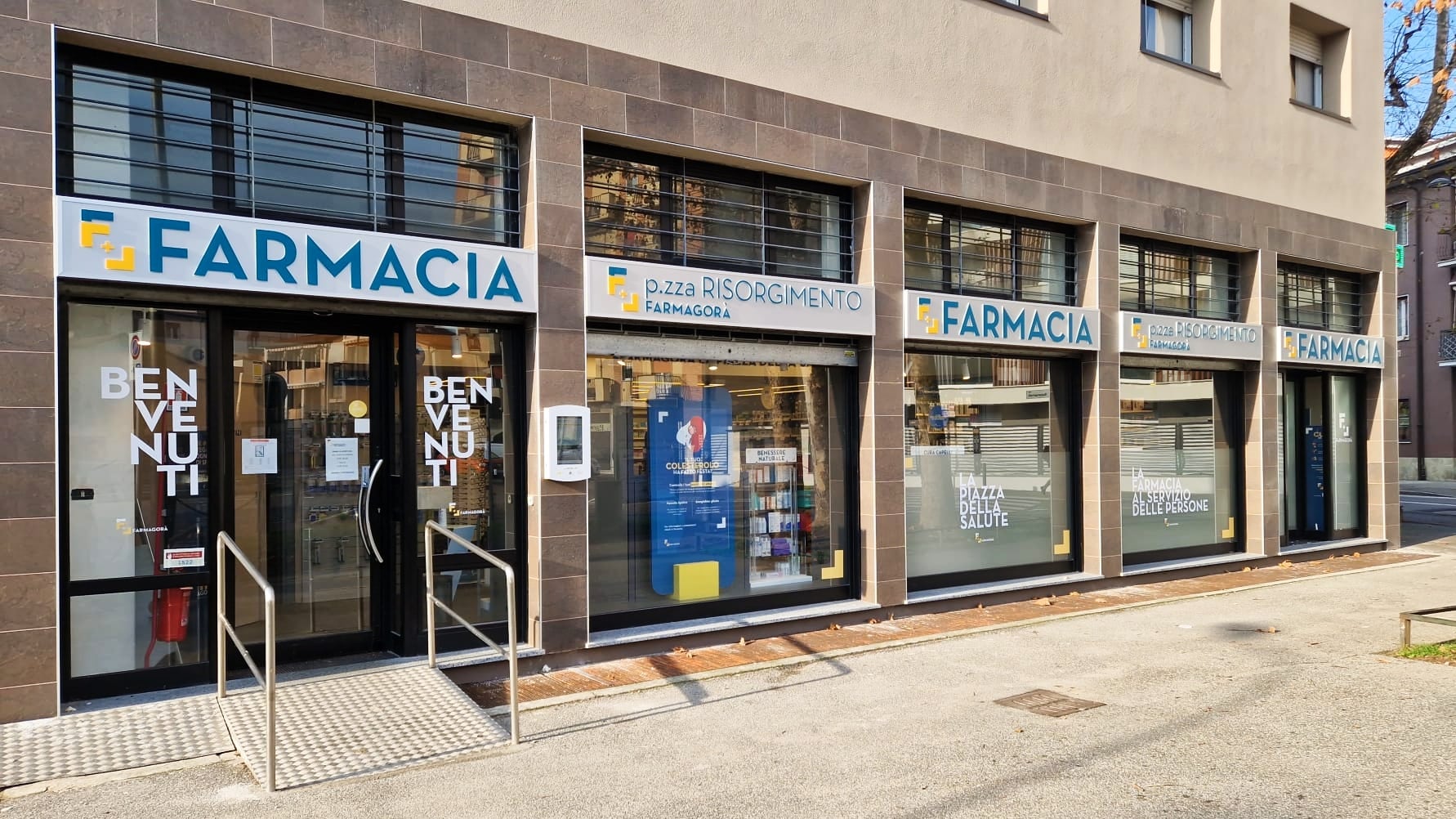
When we talk about demand we are talking about a market with a turnover of around EUR 27 billion, where more than half of the products go through prescriptions. "We are therefore talking about immediate purchases, where the consumer has a need for treatment and has to buy a medicine that they need. Our chain was born in 2021, with four pharmacies acquired in six months. Month after month, we began to acquire more and have reached a national dimension, with a strong concentration in northern Italy and Sardinia. The most important region is Lombardy with about half of the pharmacies. The realities we look at with interest for our acquisitions are those with a turnover of EUR 1.2 million and upwards and with great potential for development. We now have about 250 people working with us, mostly pharmacists, as well as 25 people working at the Bergamo headquarters," Premoli and Carantani explain.
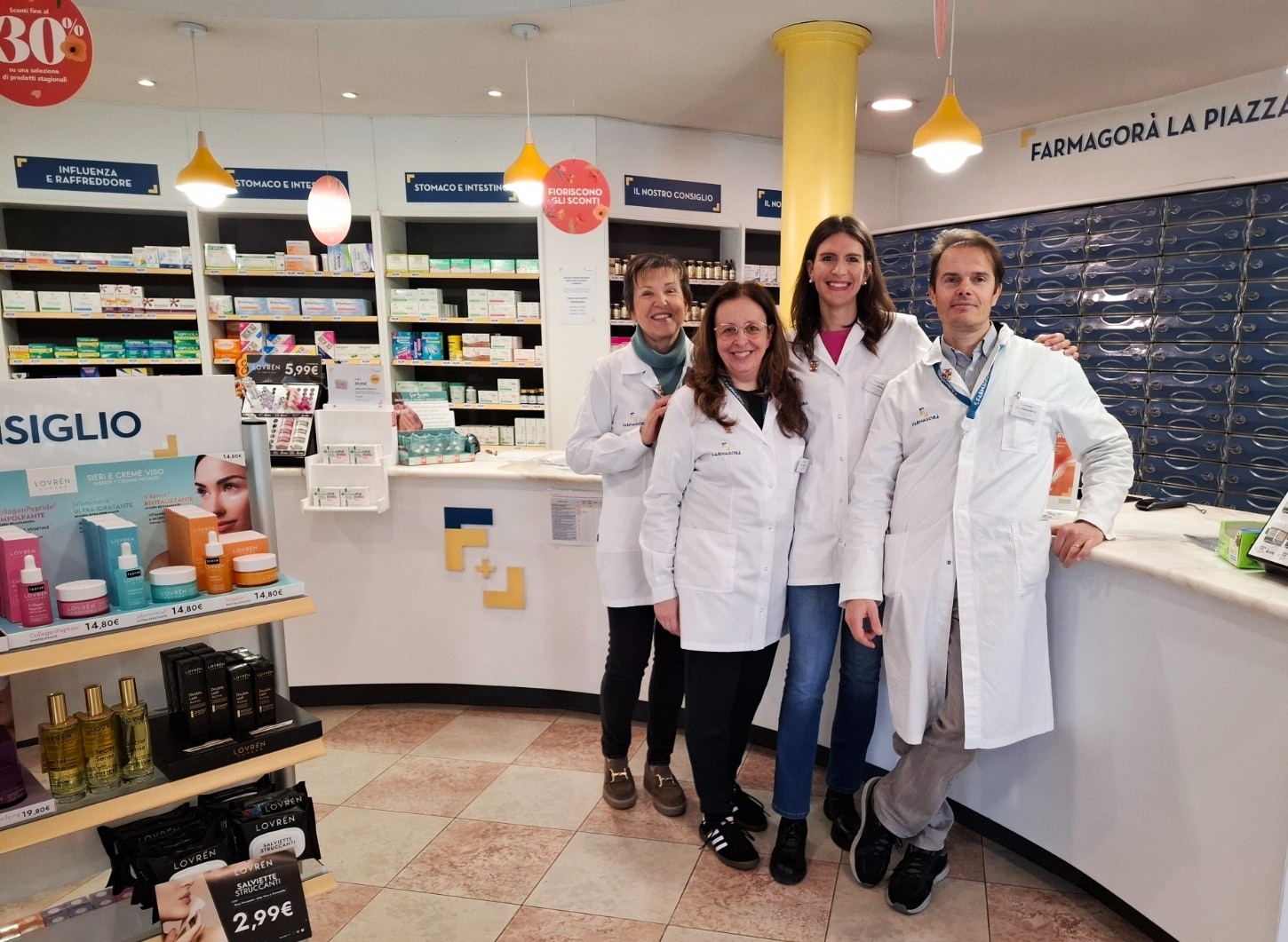
When a pharmacy is acquired, continuity is generally created with the employees who work there, who are fundamental figures because they preside over the territory on health issues and must establish a relationship of trust with customers, and are difficult to find. "In Italy we have around 20 thousand pharmacies and 100 thousand pharmacists, with between 4 thousand and 4,500 professionals graduating each year," the two managers recall. "A group such as ours has a different requirement from that of the proprietary pharmacy. If in the latter case it is the owner who takes care of everything, in our case we need managerial figures to take over from the owner, and we grow through specific courses also with our Academy, which provides about 9,000 hours of training per year".

