
The fears associated with making things accessible

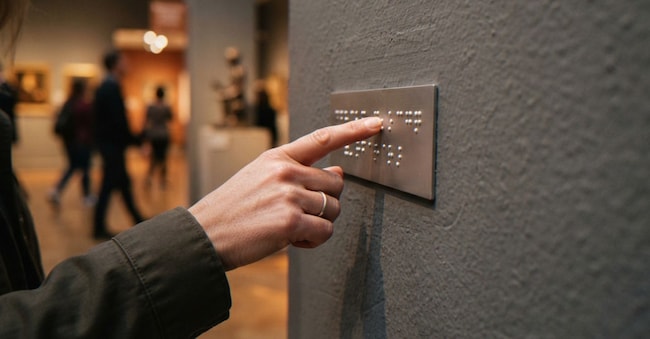
Accessibility to cultural offerings, in Italia as in other countries, is becoming an increasingly central issue: one that is being explored, called for and debated. From museums to theatres, from UNESCO sites to venues for contemporary exhibitions and events, there are many cultural organisations that would like to become more accessible to people with disabilities.
Yet, whilst interest and curiosity are growing, many institutions are hesitant, proceeding in very small steps and, to some extent, fearful. In fact, it is often a range of fears that come into play: the fear of exposing themselves too much; the fear of not having sufficient funds to guarantee even a minimal level of accessible provision; and, last but not least, the fear of interacting with people with disabilities.
The first of these fears is often driven by a lack of knowledge about the services, tools and resources that can be used both to implement accessibility and to communicate it effectively. The issue of communication — not only in an accessible format, but through the right channels and using the right words — is undoubtedly significant, but it is equally true that by drawing on the expertise of collaborators, primarily people with disabilities, such doubts can easily be dispelled.
The second concern, however, is of an economic and managerial nature. In order to offer accessible services and programmes, resources and staff are needed within the organisation to take on this responsibility, just as they do with other functions essential to the life and growth of a museum, a theatre or a festival. There is no shortage, however, of examples of external funders who choose to support accessibility. Take Müller Italia, for example, which for the past four years has been supporting the major ‘Arena per Tutti’ project run by the Fondazione Arena di Verona, or the Compagnia di San Paolo, which has for some time been allocating increasing resources to projects aimed at encouraging the participation of people with disabilities in various artistic contexts: as co-creators, as protagonists and as audience members.
Finally, there is a third fear: that of not knowing how to interact appropriately — or, at times, even simply having to interact — with people with disabilities. This fear often stems from a lack of experience in interacting with people with disabilities and is unwittingly rooted in historically ingrained prejudices. But it also stems from relational difficulties which are, at heart, forms of pre-emptive concern: inexperienced cultural practitioners wonder whether they will be able to understand these people’s needs, to welcome them and to avoid making mistakes.

