
Fed 'wait-and-see', market pushes back cut hypothesis
Fed chooses caution amid war and energy crisis, while markets rule out imminent cuts and await future developments
from our correspondent Marco Valsania
 Aggiungi Il Sole 24 Ore
ai preferiti su Google
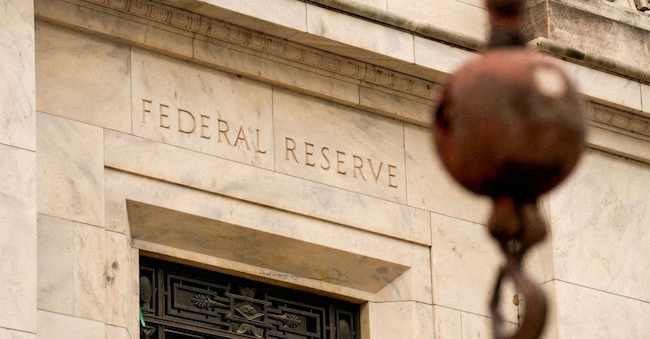
NEW YORK - A summit in the shadow of war. The Federal Reserve decides on interest rates today, but the announcement seems a foregone conclusion, to markets and analysts: the US cost of money will remain unchanged, stationary in the 3.50-3.75 range, frozen by the impact of the conflict unleashed by the United States and Israel against Iran and precipitating an energy crisis, which is simultaneously pushing inflation and hurting growth.
The Fed appears to be on the verge of adopting a more cautious stance than ever before, one that emphasises the multiplication of uncertainties. And that it also seeks, albeit without immediate moves, to reassure financial and economic operators with jangled nerves. All this while waiting for greater visibility on the one hand on the fragility of employment and GDP (respectively suffering from a loss of 92,000 jobs in January and a disappointing 0.7% growth in the last quarter), and on the other on the flare-ups of the cost of living already ignited by tariffs and now fuelled by a oil soaring to one hundred dollars and more per barrel.
This does not mean that there is a lack of internal tensions at the Fed on what to do. Three dissents among the FOMC leadership in favour of 25 basis point rate cuts without delay are considered possible. Leading a divided Fed in times of war thus becomes Jerome Powell's last, difficult mission, before his term expires in May and the handing over of the reins, if confirmed by the Senate, to Donald Trump's chosen chairman, Kevin Warsh.
The outcome of the changing of the guard is, however, itself less than certain. The president's pressure for aggressive rate cuts is intensifying: he recently called for 'now' interventions to support a war economy, i.e. rare emergency actions between meetings ('There's no better time to cut rates, even a kid would understand that'). But Trump actually clashes not so much with the central bank's will as with his own policy choices, which instead of promised booms threaten feared stagflation.
Markets in this climate are in doubt, shying away from new economic stimulus today and ready to change bets quickly. Future markets are currently ruling out almost 100% cuts today as they did in April and 76% in June. To find more chances of reductions than of firm rates one has to go as far as December. The debate is also open among Wall Street gurus. Citi sees a Fed that remains 'dovish' and will cut 75 basis points between June and the end of the year. Goldman Sachs cites increased risks in each direction, of inflation and weak expansion, and in turn anticipates three cuts towards the end of the year. And it sees Warsh as tending to be accommodative in monetary policy, but without representing a 'significant change' from Powell.


