
Gattare: it is not a criminal offence, but a fine may be imposed if the mayor bans feeding strays
Anyone who feeds the cat colony ‘is not obliged to take action to prevent nuisance behaviour by stray animals, as they have no legal authority to do so’

Key points
Cat carers who look afterstray cats, bringing them food and drink,do not, for this reason alone, assume a position of liability. And they are therefore not liable for any unpleasant odours caused by the cats’ faeces, nor for the mess caused by the leftovers from the meals they provide. They are therefore excluded from the offence of dangerous throwing of objects, but they do, however, risk a fine if they bring food to public and private places despite a mayor’s by-law prohibiting it.
The offence of throwing dangerous objects has been excluded
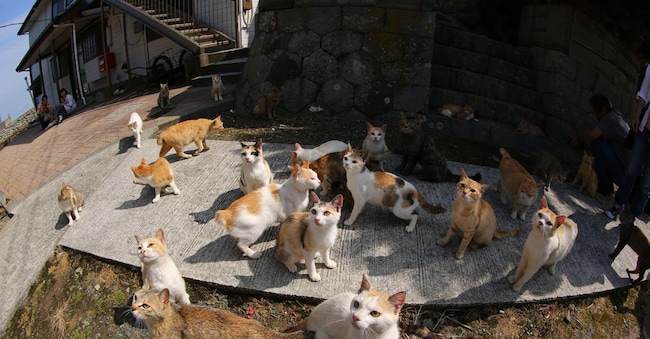
The Court of Cassation has therefore partially upheld the appeal lodged by the woman, who had been convicted on appeal of the offence of throwing dangerous objects. The complaints of the owner of a private garden, in front of which a veritable crowd had gathered, thus go unheeded at the final stage of the proceedings colony of cats, attracted by the treats brought by the defendant. And the fact that the garden was private did not prevent the cats from trespassing and roaming about as they pleased.
Penalty for those who breach the mayor’s order
But not even the judges of the Court of Cassation can stand in the way of the cats’ freedom; they explain that it would not have been possible for the volunteer to prevent the vandalism and harassment caused by the large group of ‘aristocats’ of which she was not the owner. The party harmed by the cats had unsuccessfully invoked previous case law from the Court of Cassation regarding the duty of care. However, these judgements concerned dogs, which are considered ‘dangerous’ unlike domestic cats or farm animals, which must be kept clean to prevent unpleasant odours from causing a nuisance to those living nearby.
Anyone who feeds the cat colony, regardless of the number of cats involved, ‘is not obliged to take action to prevent nuisance caused by stray animals because they lack the legal authority’. But even if they were considered obliged to do so, they could not, because the situation of danger ‘to third parties does not fall within their jurisdiction’.
However, the appellant’s argument that the mayor’s order—whichprohibited, on grounds of hygiene and public order, the bringing of rubbish or food scraps intended for stray animals into private places of public passage and public spaces—cannot be upheld. It is true, therefore, thatthe act is not classified as an offence under the law, but the possibility of an administrative fine ranging from 50 to 300 eurosremains.

