
Feeling good at work pays off. But you learn it first, in the classroom
The composition of a group – who belongs to it – matters less than how the group works together. And in this regard, the decisive factor is psychological safety: feeling safe enough to open up to the other members of the group

£24 billion a year. In 2024, Deloitte (Deloitte, report ‘Mental health and employers: the case for investment’, fourth edition, May 2024) calculated how much presenteeism – working whilst feeling unwell and performing at a lower level – had cost the UK economy in the previous year. This cost was higher than that of absenteeism and staff turnover. In the same year, Google concluded its Project Aristotle, a study of 180 internal work teams based on 250 characteristics, which yielded a simple conclusion: the composition of a team – who is in it – matters less than how the team works together. And in this regard, the decisive factor is psychological safety – feeling safe enough to be open with the other members of the group.
Psychological safety helps businesses and economies to grow. Its opposite, insecurity, holds both back and takes the form (and comes at the cost) of presenteeism: staff who, for months or years, operate at a ‘periscope level’, gradually withdrawing from the team’s work.
The working group’s first priority is the school
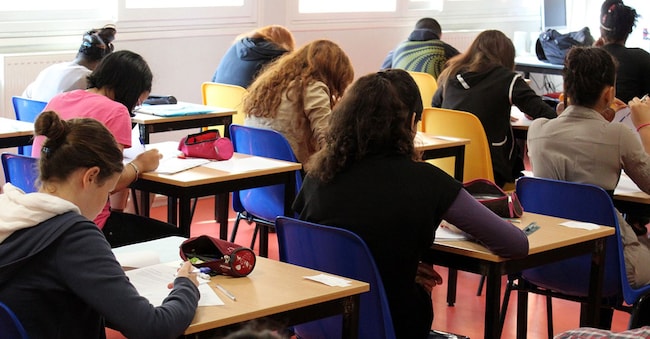
Where do we learn to put ourselves out there without fear? Not in the workplace, where we arrive as adults with well-established habits. That realisation begins in the first working group of our lives: the classroom. For thirteen years there, we discover whether making a mistake in front of others comes at a high price or not. When Google measures psychological safety, it is essentially asking whether you’re held against you for making a mistake.
AscoltaMI: put to the test
The 2025 Budget Act established a fund to provide psychological support in schools. This led to the creation of AscoltaMI, offering 250 euros for five online sessions, which families can access if they are aware of the scheme and have the digital credentials for the platform. A voucher.
But the result is that, at most, one in twenty-two pupils across the three age groups involved can access the service. And for just five hours in a year. Meanwhile, the classroom – the place where the school atmosphere is shaped – remains as it was. The proposal from the ‘Diritto a Stare Bene’ campaign for the forthcoming Budget Bill does not introduce anything new, and certainly not additional expenditure.
School psychologists
The fund exists, as does the service and the budget allocation. And the Ministry and the Order of Psychologists have already set out the direction to be taken in the 2024 protocol: a permanent presence of psychology within schools. Only the mechanism is changing: from the 2027/2028 academic year, instead of vouchers, a permanent psychologist would be appointed to each participating school. They would work full-time, at a single school, throughout the year, in all classes and across all school sites. A national open recruitment process, with a three-year contract for psychologists and educationalists.

Brand connect


Newsletter Scuola+
La newsletter premium dedicata al mondo della scuola con approfondimenti normativi, analisi e guide operative
Abbonati