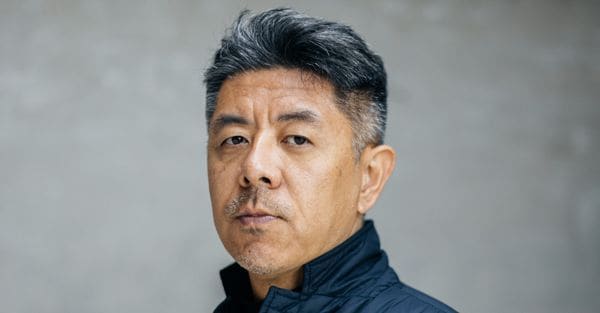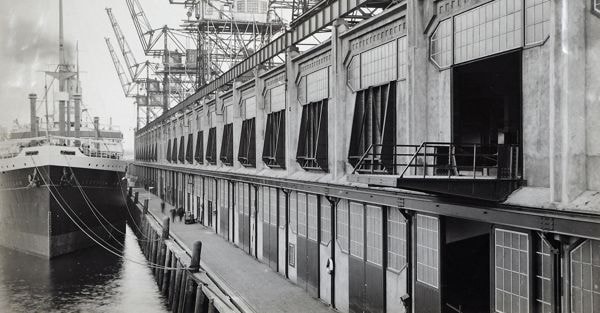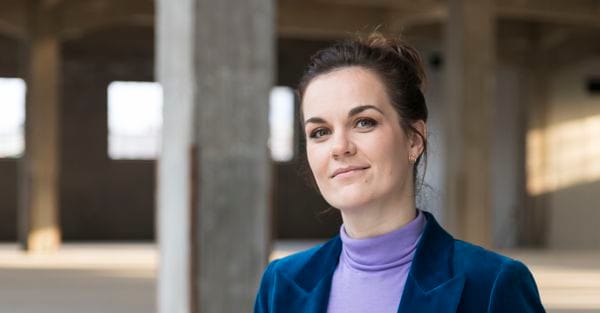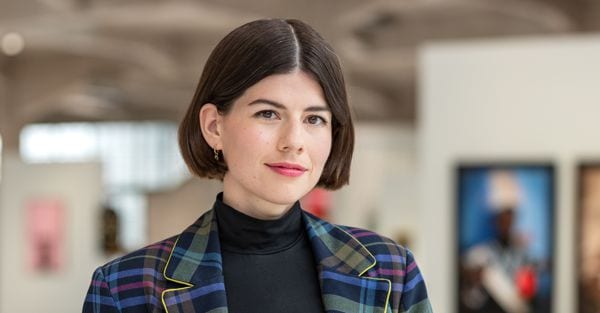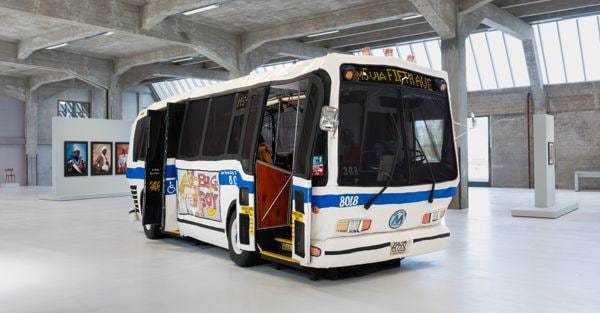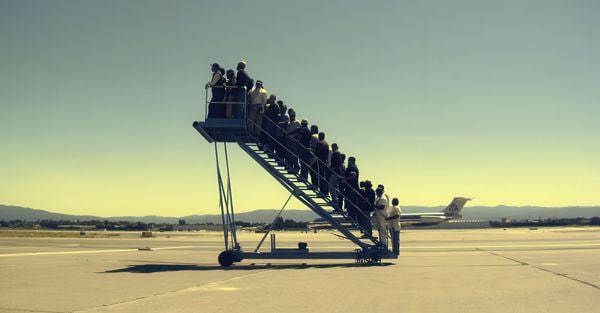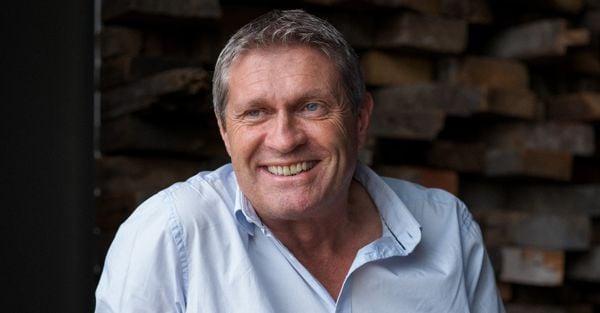
Erik van Gerwen, responsabile press & media internazionali di Eindhoven365 e fondatore del movimento New Dutch: «Vogliamo raccontare la storia non solo dell’Olanda del passato, ma anche di quella del presente e del futuro, completando lo storytelling tradizionale del nostro Paese (foto di Wouter Kooken).
"The idea is to tell another Netherlands,' van Gerwen explains, 'different from the usual cliché of tulips and windmills: to develop a new storytelling that shows the modern, technological and creative soul of the Netherlands, built on an out of the box approach of free thinking and entrepreneurship.
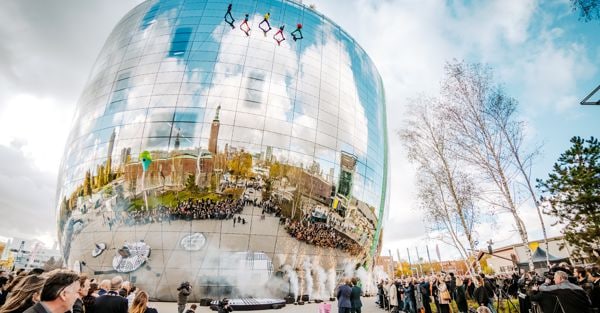
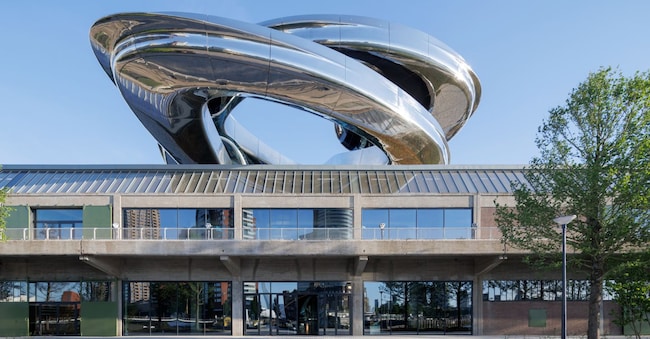
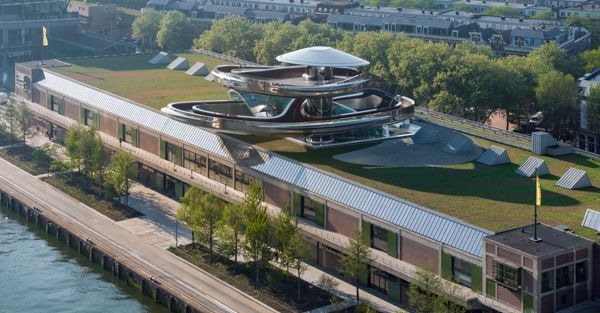
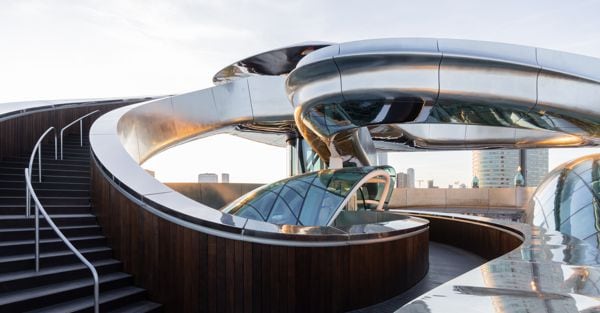
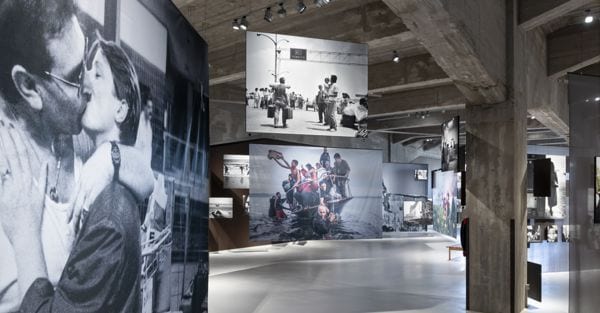
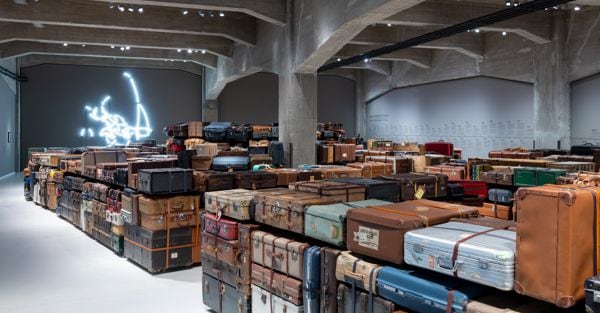
L’inaugurazione nel 2021 del Boijmans Van Beuningen Depot di Rotterdam, uno dei simboli del movimento New Dutch (foto di Nathan Reinds).
Mirror of the new Netherlands
New Dutch, which Erik van Gerwen developed together withKim Heinen of Rotterdam Partners, does not aim to attract conventional mainstream tourism, but a fine palate capable of appreciating cities like Rotterdam and Eindhoven, as well as the innovative soul of other centres.
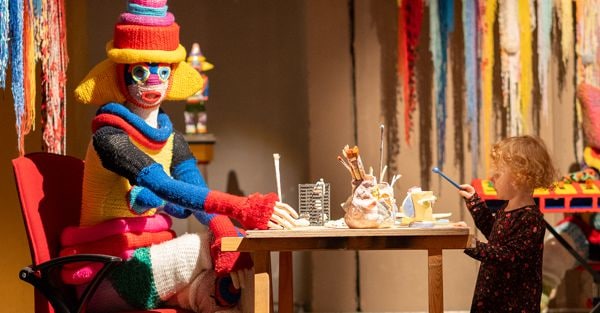
La Dutch Design Week di Eindhoven, il più grande evento di design del Nord Europa, un’altra delle icone New Dutch (foto di Cleo Goossens).
A new communication philosophy of the Netherlands that finally convinced everyone: today 16 cities and regions join New Dutch, together with the Dutch National Tourist Board (NTBC) and the Dutch Business Board (RVO).
'New Dutch tells the story of the Netherlands of the present and the future,' summarises van Gerwen, 'completing the traditional storytelling of our country'.
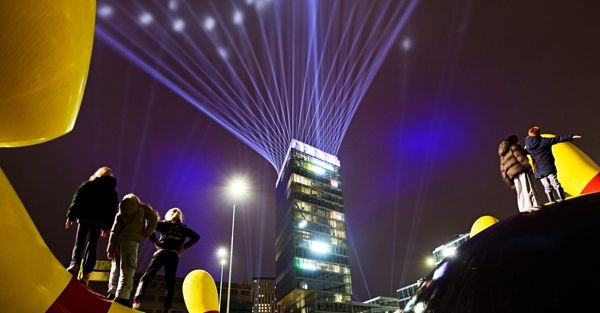
Glow, il Festival delle Luci di Eindhoven (foto di Bart van Overbeeke).
The BioArt Village in Eindhoven
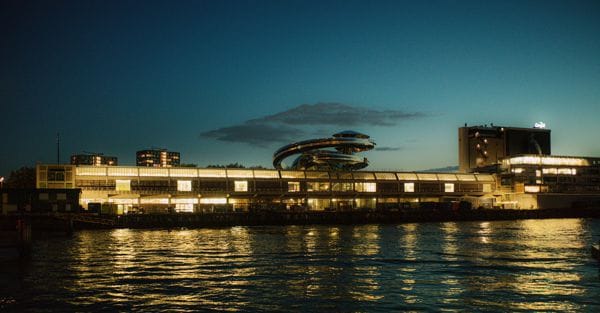
.The Depot or the Fenix in Rotterdam, but also the Dutch Design Week and the Glow light festival in Eindhoven, are good examples of the New Dutch philosophy.
As well as the lesser known BioArt Village, an iconic venue that inspires an international non-profit organisation led by the volcanic entrepreneur and artist Jalila Essaïdi.
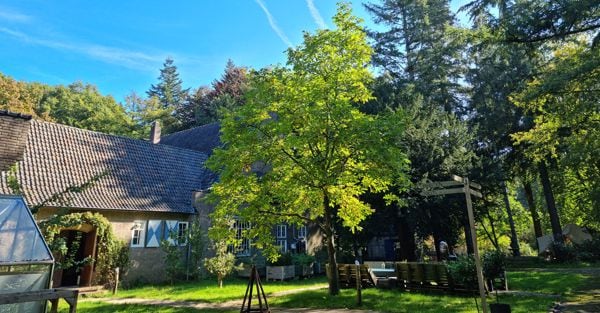
Uno scorcio del BioArt Lab di Eindhoven, ospitato su 1,5 ettari in un complesso di bunker tedeschi della seconda guerra mondiale: è un centro mondiale dove ricerca scientifica e arte si sposano nel nome della simbosi con la natura.
Bulletproof Skin
.Jalila in his time created the famous 'Bulletproof Skin', a bioengineering project that could create anatural bulletproof vest by combining spider web and human skin (tested, it blocked bullets fired from a short distance).
The Us Army was interested in the patent, but Jalila preferred to surrender it for medical purposes such as burn care or decubitus wounds.
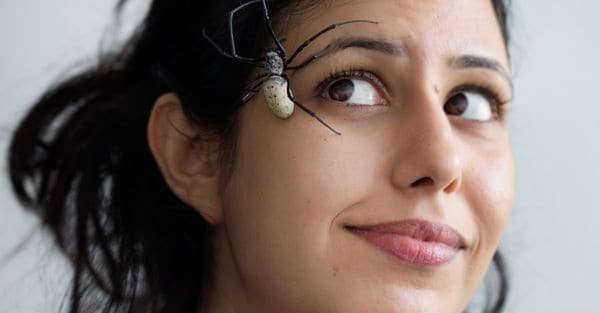
Jalila Essaïdi, fondatrice del BioArt Village e in passato creatrice del famoso progetto di bioingegneria “Bulletproof Skin”, a cui si interessò anche l’Us Army: «I BioArt Lab sono un grande esperimento di social innovation nel nome della simbosi tra natura, arte e uomo» (foto di Vincent van den Hoogen).
In the former German bunkers
.But back to the BioArt Village: it is located in a forest on the outskirts of Eindhoven housed in aformer German military complex from World War II with five bunkers 'disguised' as Dutch farms.
It covers 1.5 hectares that are a world attraction for scientists, students and artists from all over the world in the name of the symbiosis between nature, art and man.
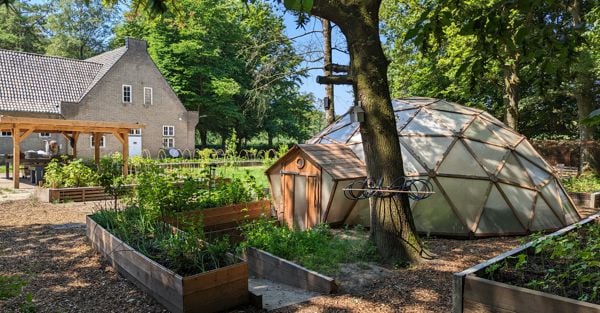
Il BioArt Village vanta partnership con il MIT di Boston e con Symbiotica, il centro di ricerca australiano, ed è meta di progetti internazionali di ogni tipo.
Partnership with MIT and Symbiotica
The 'Village' boasts partnerships with MIT Boston and Symbiotica, the Australian research centre, and is a destination for international projects of all kinds, from youth volunteering through the European Solidarity Corps Program (from 2021) to art and design exhibitions and team building with engineers from Philips and Asml.
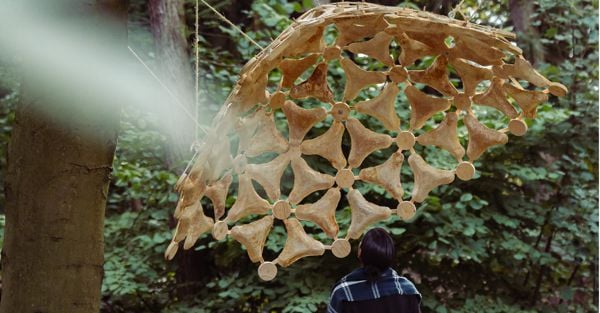
Oltre a scienziati e artisti, i BioArt Lab attirano giovani volontari attraverso l’European Solidarity Corps Program, assieme a progetti con Philips e Asml (foto Studio Heinrich).
'It is a great experiment in social innovation,' Jalila Essaïdi explained to Il Sole 24 Ore, 'halfway between art, craftsmanship, experimentation, education and international exchanges'.
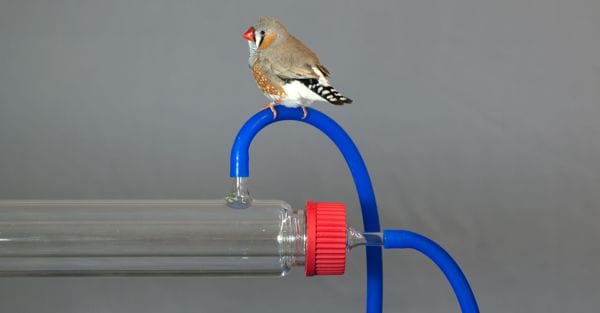
«A Simple Line», dettaglio di un’opera di Jalila Essaïdi (2015).
Also thanks to places like the BioArt Village, New Dutch is pushing the boundaries of mere tourism: in addition to travellers, the project is attracting talent, enlightened investors and innovative entrepreneurs to the Netherlands. All hungry for the future.
(Bede Romano collaborated).