
Fentanyl: inspections at the Israelitico Hospital in Rome – the risk of out-of-date records
Following the large-scale theft of eighty vials of the powerful opioid, the Carabinieri and the NAS gathered information on the records and the management of the key to the cupboard containing the medicines

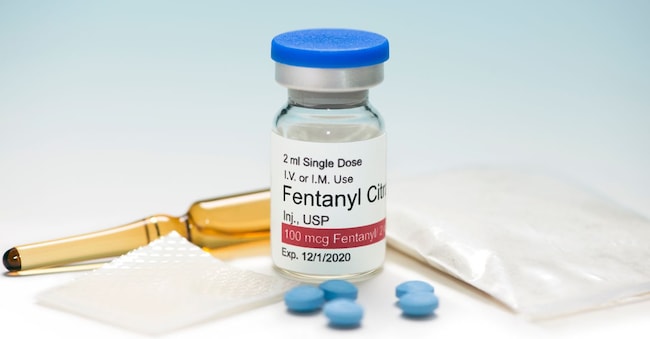
The risk of registers not being kept up to date, the report filed two days after the first theft, and a group of people – more than twenty – who may have had access to the key to open the secure cabinet containing the drugs. New developments are emerging in the investigation into the theft of eighty vials of fentanyl at the Israelitico Hospital in Rome. The Rome Public Prosecutor’s Office has launched an investigation into the matter, and the case is being pursued on charges of theft and possession with intent to supply narcotics.
Inspections by the Carabinieri and NAS
In the last few hours, the investigative unit of the Carabinieri in Rome, together with that of the NAS, have carried out an inspection of the facility, checking the records of medicine procurement and the management of the key to the narcotics cabinet containing the vials of fentanyl, whilst gathering various pieces of information. The suspicion is that the records are not up to date: a finding which, if confirmed, would indicate an irregularity in the implementation of the monitoring programme and shortcomings in the proper storage and management of narcotic drugs.
The military also interviewed a number of people inside the hospital, and the various operations lasted several hours. There are just over twenty people who may have had access to the key, including the security staff, who are directly responsible for the pharmacy during closing hours. As there are no CCTV cameras in the area of the safe, the Carabinieri are nevertheless reviewing footage from other cameras.
Major theft in two separate incidents
There is, however, another aspect that remains unclear. The mass theft took place in two separate incidents, the first on 22 June, when a number of vials had already been stolen. However, the theft was only reported on the 24th, two days later, when the second shortage was discovered. Between nurses and doctors, just over ten people passed through the pharmacy over the course of two days where the armoured cabinet containing narcotics is located. In addition to them, there is a night security guard, who keeps the key when the pharmacy is closed. These are people who, in some way, would have had the opportunity to open the secure refrigerator and who have already been interviewed by the Carabinieri from the operational unit at Rome Eur .
Technically, none of them are under investigation, but further enquiries will be needed to rule out any suggestion of guilt, whilst it will be necessary to shed light on any moles or people who may have had access to the pharmacy to carry out cleaning or other work: someone who might have made a mould or a copy of the key. According to investigative sources, it is highly likely that these are professionals who knew exactly where to look and are familiar with the medicines.

