
Ferrara, petrochemicals launches sustainable water hub
43 million green plan on the water system to reuse industrial water. The intervention will reduce by 53% the withdrawals from the Po river from 17 million cubic metres/year to 8 million
by Ilaria Vesentini
3' min read
3' min read
A 43 million euro project was signed yesterday in Ferrara that will make the water system of the petrochemical complex the largest green industrial water recovery and reuse project in Italy and one of the first in Europe: it will reduce water withdrawals from the Po river by 53%, from the current 17 million cubic metres/year to 8 million, thus freeing up 9 million cubic metres of water for agricultural and drinking water use. This is the main work within a broader protocol for the enhancement of Ferrara's industrial and technological pole under the banner of ecological transition and energy efficiency, which will mobilise some 50 million euros in public and private resources and which has brought together all the economic, institutional, and social forces of the province of Este, the Region, and the two ministries of the Environment (Mase) and Enterprise and Made in Italy (Mimit): 16 signatures on a historic agreement, following the two previous protocols of 2001 and 2008 on the Este petrochemicals, "which marks the milestone of two years of systemic work in our territory and at the same time is the starting point for attracting new production facilities here, creating employment, enhancing the areas of the chemical hub and helping to bring Ferrara out of its current isolation, thanks also to the arrival of the Simplified Logistics Zone and infrastructures such as the Cispadana, which seem to have finally been unblocked," emphasises Mayor Alan Fabbri, leader of the initiative.
The site
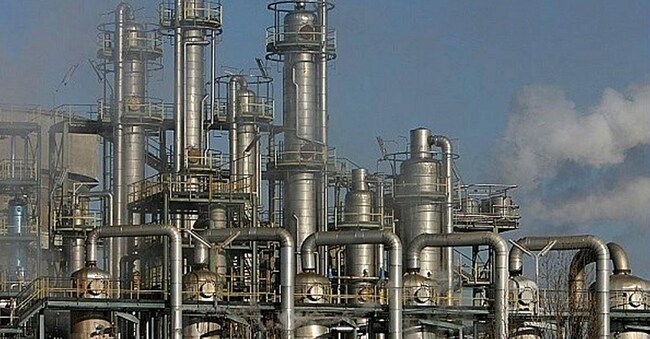
The Ferrara petrochemical plant is a 250-hectare citadel a stone's throw from the city centre, with more than 100 hectares available for new settlements, 40 km of roads and 10 of railways, where 2.450 people between employees of the nine companies present and those of the supply chain (including the multinationals Eni with its subsidiaries Versalis, Sef, Rewind; Basell Poliolefine Italia; Yara) and where plastic, rubber, catalysts, technopolymers and electricity are produced, strategic 'ingredients' of Italian manufacturing chains, from automotive to biomedical, from packaging to textiles. A chemistry that is becoming increasingly critical now that dependence on foreign countries is a vulnus and there is a green challenge to be solved very quickly.
The theme of water
."The fundamental activity of those who, like us, manage the utilities of the petrochemical plant is related to water, we are talking about 2,400 cubic metres/hour of resource taken from the Po with the permit to reach 3,200 cubic metres/hour," explains Paolo Schiavina, CEO of the IFM consortium to which all the companies in the plant belong. An enormous amount of water, which in dry periods represents one hundredth of the entire flow of the Great River, and this is why saving on the water cycle, through the recovery and reuse of all process and meteoric water, is fundamental, especially at the height of the climate crisis. "We have already restructured the water treatment plant that goes into the Hera sewage system (2.5 million euro) and we are now carrying out the first step of revamping the water cycle, which will last a couple of years, thanks to 25 million euro allocated by the consortium's member companies to purify and clean process water, without ever stopping the petrochemical plant for a day. The resources of Mimit and Mase, and, in perspective, the EU, will allow us to complete the investment by halving not only the withdrawals from the Po but also the energy consumption for capturing and pumping," explains Schiavina.
The institutions
"This agreement is a virtuous model of an Italian system that works when all the administrations move in unison to create the conditions for sustainable development, an example that is just as valid for the chemical industry as for the iron and steel industry,' stressed Mase Minister Adolfo Urso, before signing the agreement, 'and to reaffirm our country's industrial primacy. We must invest in the Italian and European entrepreneurial system and protect it from other production systems that do not apply the same environmental and social standards. And we must focus on chemistry and iron and steel, which seem to be sectors of the past and instead are the sectors of the future, because the strategic supply chains of Made in Italy depend on them'.
The memorandum of understanding for the Ferrara cluster, one of the top three chemical sites in the country, envisages five other lines of green interventions, including photovoltaic panels, energy efficiency of buildings and production cycles, and recovery of secondary raw materials, with the aim of cutting 350,000 tonnes of CO2 per year.

