
Fertilisers, an EU action plan coming soon
Financial aid and new rules to cope with wartime price rises, facilitating the use and sale of fertiliser and compost
from our correspondent Beda Romano
 Aggiungi Il Sole 24 Ore
ai preferiti su Google
Key points
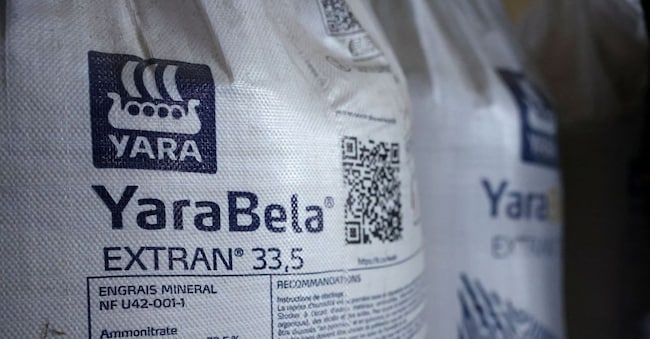
BRUSSELS - The European Commission is expected to present on Tuesday 19 May an action plan to better tackle the huge increase in fertiliser prices caused by the war in the Middle East. Among other things, the EU executive is expected to announce new financial aid for the agricultural world. Brussels is aware that the current crisis could even force farmers to reduce their cultivated areas, to the detriment of the principle of European self-sufficiency in food.
The eagerly awaited action plan is expected to present new financial aid; promise advances in the distribution of aid under the Common Agricultural Policy in 2021-2028; encourage savings; and facilitate the emergence of a market for organic fertilisers. On the latter front, the European Commission also wants to change the current rules to facilitate the use and sale of fertiliser and digestate (i.e. decomposed organic matter) within and between member states.
Fertiliser production requires a lot of energy, especially gas, as well as many raw materials, such as phosphate, ammonium, nitrogen. The rising cost of energy - yesterday oil was still over $100 a barrel - has an obvious impact on fertiliser prices. The effects on food prices and consumption are obvious. 35-45 % of the fertilisers used in Europe are domestically produced, while 55-65 % depend on imports or imported inputs.
According to market data, fertiliser prices in Europe in the fourth quarter of 2025 were 62% higher than in 2020. In April this year, nitrogen fertilisers were 70% more expensive than the average in 2024. The countries with the highest use of phosphorous fertilisers in agriculture in 2023 were France, Poland, Germany, Spain, Italia and Romania; together, they accounted for almost 75% of total EU consumption.
Those most affected by fertiliser price developments are cereal producers, who in addition to a drop in sales prices in recent years are now experiencing an increase in production costs in a sector where fertilisers already accounted for 16% of total production costs in 2023, before the current crisis in the Middle East. The largest cereal producers in Europe are France, Germany, Poland, Spain and Romania, according to Eurostat statistics of 2023.


