
Competition: a push on motor insurance and a battle over telemarketing
The bill reaches the House of Commons: the government is speeding up the process to reform the bonus-malus scheme and direct compensation. The Competition Authority: differences between the energy and telecoms sectors regarding call centre calls should be eliminated

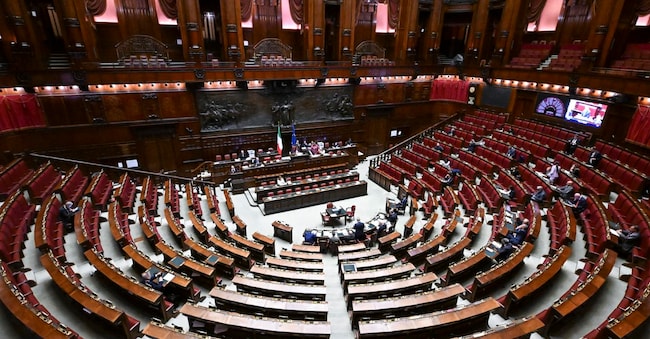
The government is bringing forward the timetable for reform of the motor insurance sector, with the clear aim of finalising the matter by the end of the parliamentary term, even in the event of a snap election in the spring.
This acceleration is evident in the final version of the annual competition bill, where the time limit for exercising delegated powers through implementing decrees has been reduced: no longer nine, but four months from the date the law comes into force. This is one of the new features of the text which, after a long wait for approval from the State Audit Office (which arrived two months after its approval by the Council of Ministers), will shortly be tabled in the Chamber of Deputies, in the Productive Activities Committee.
In summary, the reform of motor insurance, amongst other guiding principles, provides for a review of the no-claims bonus/penalty system, a reassessment of the flat-rate payment for direct compensation, and the strengthening of anti-fraud measures. There are also plans to reward safe driving behaviour, in order to reduce the impact of regional variables, which currently penalise certain southern provinces in particular. The scope of the mandate is extremely broad and could include measures likely to have a significant impact on the public in the midst of an election campaign.
The version of the draft bill reaching Parliament also incorporates the provision which – amidst protests from chartered accountants – extends the option for employment advisers to file financial statements with the Companies Register (see *Il Sole 24 Ore* of 30 October). Furthermore, the three-year budget allocated for grants to petrol station owners who convert their premises into charging points for electric vehicles has been increased by eight million, from 112 to 120 million. However, the provision aimed at reducing food waste – which would have introduced the right to a so-called ‘doggy bag’ in restaurants, i.e. the takeaway of food purchased but not consumed – has been omitted from the text.
However, whilst awaiting the first parliamentary reading scheduled in the Chamber of Deputies, attention is already focused on possible amendments. Among the measures that the Ministry for Enterprise and ‘Made in Italy’ would like to include in the draft bill are the digital business wallet for business procedures, inter-ministerial coordination on the strategy for the development of humanoid robotics; and the correction requested by the European Commission regarding measures to combat ‘shrinkflation’ – that is, the commercial practice whereby companies reduce the size, weight or quantity of a food product whilst maintaining the same retail price.


