
"The Sound of a Fall", a choral female tale crossing different eras
In theatres at the weekend, Mascha Schilinski's powerful film, which won an award at the Cannes Film Festival

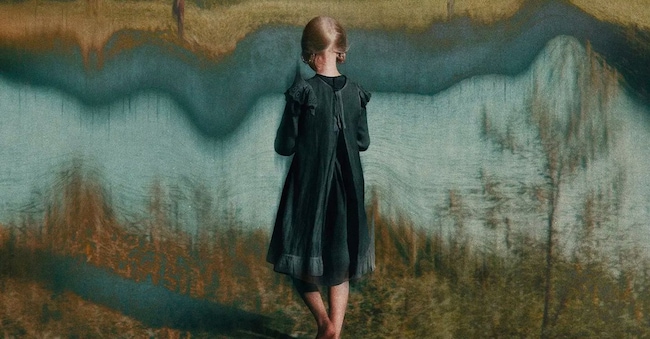
One of the most fascinating surprises of recent years: when 'The Sound of a Fall' was announced in competition at the Cannes Film Festival last May, many were astonished at the decision to include a film by a little-known director in the running for the Palme d'Or.
Mascha Schilinski, born in Berlin in 1981, had already made her feature film debut with the little-known 'Die Tocher' (it was presented in a side section of the Berlinale) and finding her second feature in the main competition at Cannes could have been a risky choice.
However, it only takes a few minutes to realise that we are in front of a richly evocative feature film with a very curious subject: set on a remote farm in northern Germany, the film tells the story of four different eras and four young women whose lives, although distant in time, seem to mirror each other.
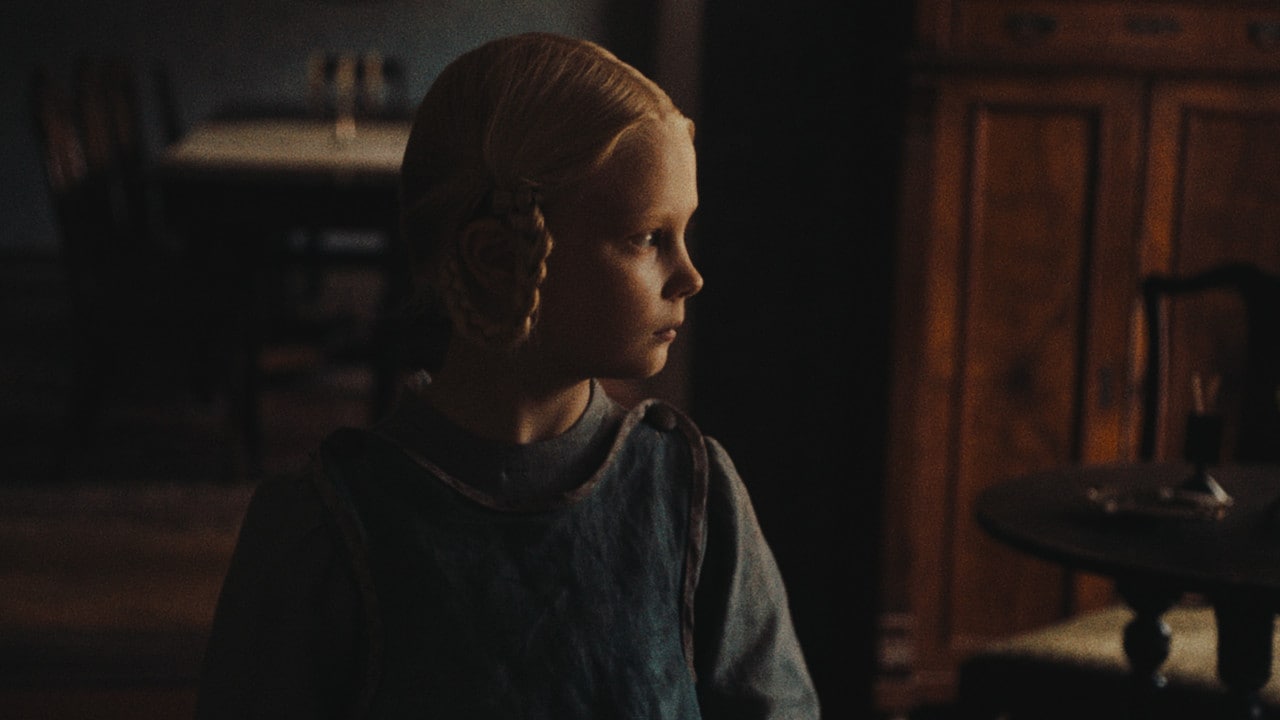
During the Great War, the small and introverted Alma witnesses, without fully understanding, a family secret linked to the amputation of a relative's leg. Decades later, after the Second World War, the descendant Erika feels inexplicably drawn to that same figure. In the 1980s, niece Angelika faces the discovery of her own sexuality, but the menacing shadow of a predatory uncle looms over her adolescence, leaving deep wounds. In contemporary times, the farm - now transformed into a holiday home - becomes the place where the melancholic Lenka enters into a fragile friendship with a girl scarred by the loss of her mother.
The four eras intermingle again and again, deliberately also leading the audience to be disoriented as they pass through different moments in which the individual stories of the characters intertwine with Germany's evolutions over time.

