
Acciaierie d’Italia, final bids for the former Ilva must be submitted by 15 October – four options on the table and the hot-rolling mill remains a sticking point
The fate of Italia’s leading steelmaker remains uncertain amid competing bids, legal challenges and the potential for significant employment repercussions in the coming quarter

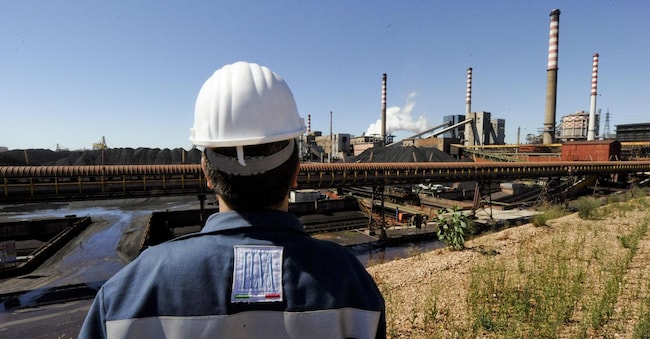
The final bids to take over Acciaierie d’Italia (formerly Ilva) must be submitted by 15 October. We will therefore have to wait over a month to learn the fate of the country’s leading steelmaker, for which there are currently four options on the table: the Indian firm Jindal, which has already submitted a binding bid covering both the cold-rolling and hot-rolling sections, updating it following the Milan Court of Appeal’s ruling on the shutdown of the hot-rolling section; a consortium of 15 Italian steel companies coordinated by Federacciai, which has so far submitted an expression of interest limited to the cold section; the Flacks Group, which has not yet formalised the comfort letter requested by the special administrators; and the Czech group CE Industries, which is reportedly still at an exploratory stage.
No decisions regarding the sale of assets are therefore expected to emerge from today’s meeting at Palazzo Chigi with business associations, trade unions and local authorities. Indeed, it cannot be ruled out that the complexity of the matter may lead to a short postponement of the 15 October deadline.
Today’s meeting with Alfredo Mantovano, Under-Secretary to the Prime Minister, and the ministers working on the case will focus primarily on an update regarding the company’s financial stability ahead of the closure of the hot section, currently scheduled for 28 October. Tomorrow, the Milan Court of Appeal will hold a hearing on the application for a stay of execution that Ilva and Acciaierie d’Italia, currently under special administration, have lodged against the shutdown order. If the appeal were to be upheld – an outcome that currently seems highly unlikely – this would strengthen the prospect of a relaunch that also includes the hot section, which has been included in Jindal’s bid.
In the meantime, the government is called upon to take stock today of both the resources required to ensure business continuity – reiterating that the latest government loan provides the company with breathing space until the end of October at the latest – and the impact on employment. On 4 September, ahead of the closure of the hot area, the business association Aigi informed the trade unions that 28 member companies – linked to the steelworks through contracts and related industries – would carry out more than 2,500 collective redundancies. But then there is the extremely sensitive issue of the direct employees, which risks becoming a major flashpoint at a political juncture as the parliamentary term draws to a close and the next elections approach. The transitional period between the closure of the hot rolling mill – barring a suspensive ruling by the Court of Appeal – and the handover of the keys to the new buyer would end up taking at least three months, extending into the end of January. At that point, it may be unavoidable to bridge this period with substantial funding for the redundancy scheme, hopefully leaving only between 1,500 and 2,000 rolling mill employees in employment.


