Finance, the presence of women at the top increases but at too slow a pace
In commercial banks there are only 2 out of 10 female managers among the executives. Sovereign wealth funds do better, while pension funds are the black shirt of change


4' min read
4' min read
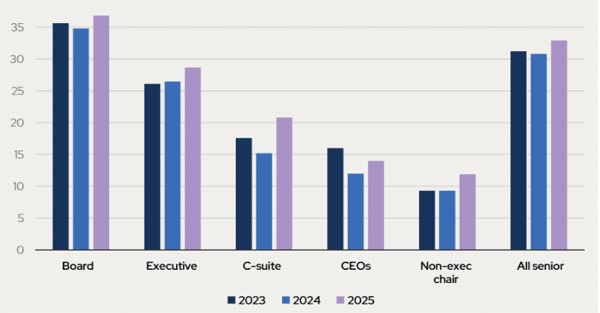
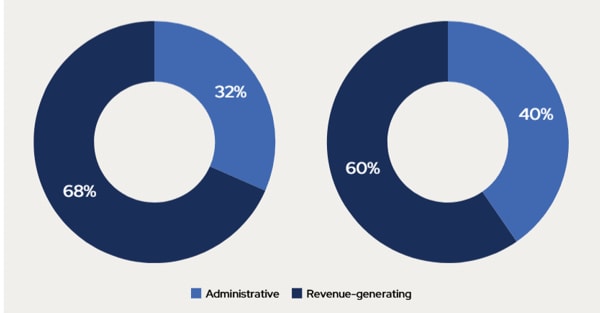
There are some signs of growth in the presence of women at the top of global finance, but change remains too slow. The annual snapshot of the sector has been published by Omfif, but the evidence still points to a long way to go before women are significantly represented at the top levels of central banks, credit institutions, pension funds and sovereign wealth funds. It is the latter that have shown the most marked improvement, driven by progress in emerging markets, while commercial banks are catching up after a 2024 marked by setbacks. Overall, the share of women in management positions rose to 16%, marking an all-time high, albeit with modest increases. However, women occupy only 26% of revenue-generating roles - a key segment for access to top positions. Encouragingly, for the first time, three organisations achieved the top score of 100 awarded by analysts to indicate gender equality: Banco Central de Chile, Ontario Teachers' Pension Plan and Norges Bank Investment Management.
Central banks
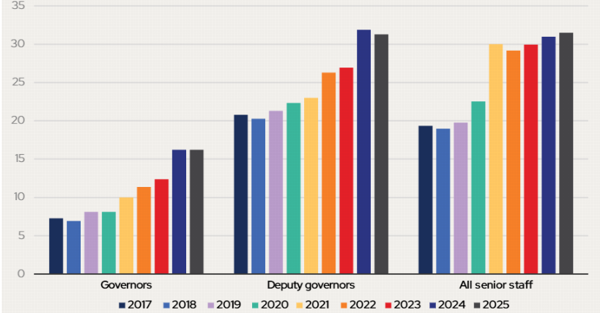
.Despite the record number of 30 women governors globally, progress is slowing down in the ranks of central banks compared to past years: in 2024, only 12% of new top appointments involved women, the lowest percentage in the past three years.
Also of concern is the potential generational change, the report says: the presence of women in leadership positions is stuck at 30 per cent as of 2021, a clear sign of a stalemate in the pipeline to leadership. Historical data from the Gbi index show that significant progress in terms of gender balance is mainly driven by changes at the deputy governor and departmental leadership levels. A prime example, according to Omfif analysts, is the Bank of Thailand, the biggest case of growth in this year's edition: the institution jumped from 65th place in 2024 to 3rd in 2025, with a score of 93. This leap was made possible thanks to strategic appointments of two new deputy governors - Roong Mallikamas and Piti Disayatat - and a better gender balance among department heads: women now make up 51% of the bank's senior leadership, up sharply from 35% in 2024.
This trend is also reflected in Europe, where four EU central banks - Deutsche Bundesbank, Oesterreichische Nationalbank, Banco de España and Central Bank of Ireland - have appointed new deputy governors. "These appointments strengthen the pipeline of experienced women who are ready to take on top roles in the future. Currently, all 20 central bank governors in the Eurosystem are men, but this could change during the course of the year, as seven mandates expire in 2025 and most successors have not yet been announced," the report says.
Commercial banks
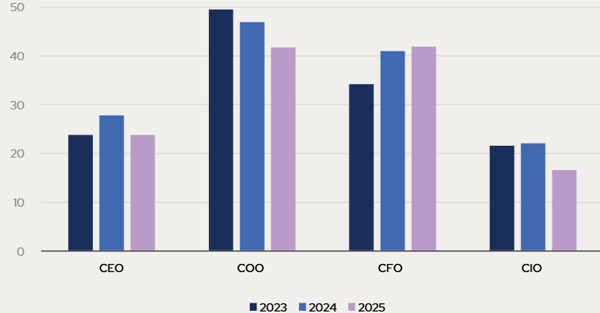
.The average Gbi index score is improving and has risen to 42, up from 37 in 2024, its highest level in five years. However, analysts point out that the female pipeline is still fragile: the share of women in C-level roles has increased to 19% from 15% a year earlier, but almost half of the commercial banks included in the index have no women in their executive teams. This is due to the appointment of women in key roles within several banks, particularly as chief operating officer and chief financial officer, such as Jennifer Piepszak at JP Morgan and Pam Kaur, appointed cfo of Hsbc in October 2024.