
The first cultural mediators for safety enter construction sites in Veneto
Formedil completed the first course for nine experts - eight women - from Ukraine, Morocco, Bangladesh, Romania, Nigeria, India and Togo

Key points
An initial experimental course involved nine mediators - eight women and one man - from Ukraine, Morocco, Bangladesh, Romania, Nigeria, India and Togo. They are the occupational safety mediators who will enter construction sites in Veneto, where safety changes language and approach. An investment that looks far ahead: in a region where the need for manpower remains high and the contribution of foreign workers is increasingly decisive, making training inclusive and effective means reducing accidents, improving the quality of work and supporting the competitiveness of the sector.
Security
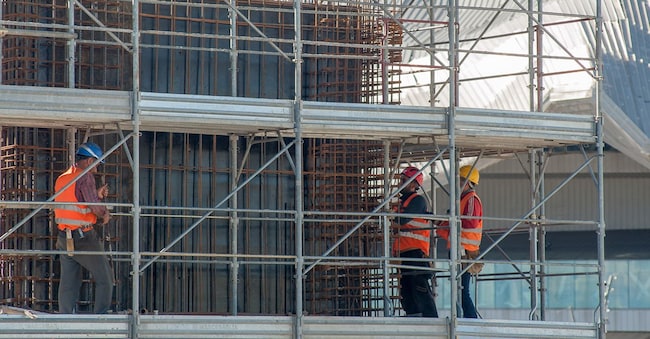
On construction sites in the region, more than half of the workforce is foreign. Thus a new professional figure was born: the cultural mediator for safety. Introduced by Formedil Veneto, which has launched the first courses for language facilitators called upon to assist teachers and make regulations and risks truly comprehensible to workers from all over the world. An operational change - envisaged by the new regional contract for artisan and SME construction - that aims to reduce accidents and fill an increasingly evident training gap on construction sites.
This choice responds to a concrete need in the labour market: in Veneto, in fact, foreign workers account for more than 55% of those employed in craft and SME construction companies, with even higher peaks in some territories.
L’edilizia
In Veneto, the construction sector sees a strong and growing presence of foreign workers, who make up more than 12 per cent of the regional workforce, with peaks indicating a majority of non-Italian workers in some areas and more than 31 per cent of construction companies led by foreign entrepreneurs. According to Unioncamere data, in the last year the number of immigrants expected to be hired at a national level was close to 1,360,000, or 23% of the total: in practice, one in four new hires is non-Italian.
A structural change that also requires a quality leap in training.

