
First OK for the lobbying law: more transparency in the relationship between politics and private interests
The Register was set up at the Cnel. Categories of public decision-makers and interest representatives identified. The text passes to the Senate for the final go-ahead

Key points
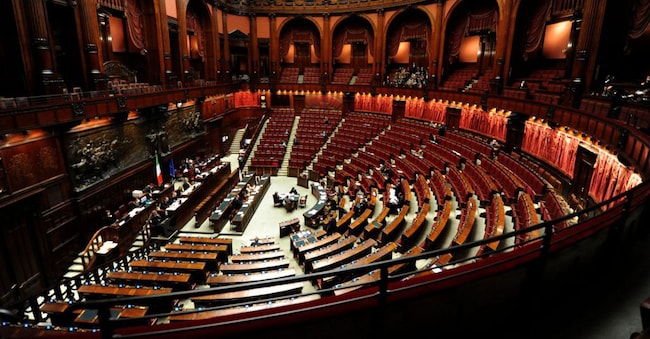
A first step after decades of attempts. The Chamber of Deputies has given the green light to the lobbies law (122 votes were in favour, 104 abstentions, all opposed). The text, approved at first reading and now going to the Senate, contains a regulation on lobbies, most recently invoked by the Constitutional Court itself, in its ruling on trafficking in influence, to restore transparency to the relationship between politics and private interests.
Public decision-makers
The provision first of all identifies different categories of 'public decision-makers' with whom interest representatives carry out the reporting activities covered by the new rules. These include, among others, members of parliament, members of local authorities and members of authorities.
Interest representatives
The other pivotal definition is that of interest representatives: according to the draft law, these are persons who carry out an activity of interest representation of even non-general significance and also of a non-economic nature, in order to promote or oppose the initiation of ongoing public decision-making processes; the category also includes persons who carry out, on the basis of a mandate or employment contract, on behalf of the organisation to which they belong, the activity of interest representation within or on behalf of organisations whose main corporate purpose is not the activity of interest representation, including non-profit organisations.
The Register
A register of persons carrying out interest representation activities, the 'Public Register for Transparency of Interest Representation Activities', is thus established at the CNEL. It also provides for an agenda of meetings between public decision-makers and interest representatives entered in the Register. In particular, each interest representative is obliged to keep and update in a section of the register, on a quarterly basis, a list of the meetings held, indicating the public decision-maker met; the place where the meeting took place; the topic dealt with; and any other persons participating in the meeting.
Rights
The registered representative, who undertakes to comply with a specific code of ethics, has the right to submit meeting requests, proposals, requests, investigations, studies, research, analyses and documents to public decision-makers, including through digital procedures; to access institutional offices and acquire documents both under Law no. 241 of 1990, on the subject of access to administrative documents, and under Legislative Decree No. 33 of 2013 on civic access; to participate in consultations promoted by public decision-makers, in regulatory impact analysis (AIR) and regulatory impact assessment (VIR) activities.


