
First real heatwave: here are all the heatwave measures introduced by the regions
Temperatures are expected to reach 39 degrees this weekend in Tuscany, Emilia and Lazio. The regions that have taken measures to protect workers include Lombardy, Piedmont, Liguria, Emilia-Romagna, Tuscany, Lazio and Puglia

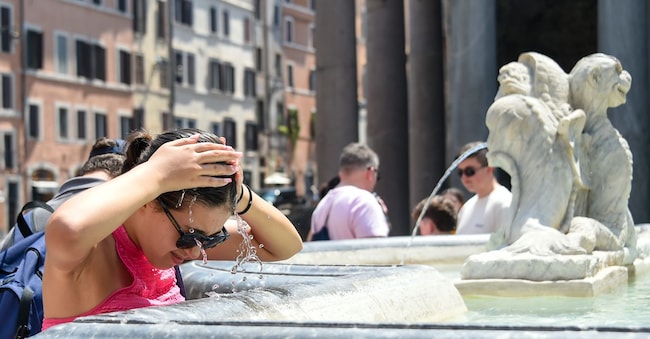
The first real one is on its way heatwave of the year is on its way. Over the weekend, temperatures are expected to reach up to 39 degrees in Tuscany, Emilia and Lazio, with the heat index potentially exceeding 42 or 43 degrees.
“It was already very hot at the end of May,” explained Lorenzo Giovannini, an atmospheric physicist at the University of Trento , “but what’s coming is more significant. As has been the case in recent years, the African anticyclone is reaching the Mediterranean Sea, bringing with it high temperatures. The hot air coming from Morocco and Algeria will move northwards over the next few days, particularly at the weekend, and will reach Spain, then southern France and northern Italia.”
Heatwave regulations
To cope with increasingly hot summers, some regions have introduced special regulations to protect workers. The increase in the frequency of heatwaves recorded in recent years has made working during the summer months risky, particularly for those carrying out work outdoors or in non-air-conditioned environments.
The aim of these regulations is to limit exposure to heat stress caused by extreme temperatures. To date, the regions that have decided to adopt measures of this kind for the summer of 2026 include Lombardy, Piedmont, Liguria, Emilia-Romagna, Tuscany, Lazio and Apulia.
Countermeasures
The bans only come into force where a risk is classified as ‘high’ by the Worklimate portal and apply to work involving high levels of physical exertion and exposure to the sun. The measures adopted by the various regions are similar: they run until the end of August or mid-September and mainly concern workers on building sites, in the agricultural and horticultural sectors, in quarries and in the logistics sector, such as delivery riders. The bans are in force from 12.30 pm to 4.00 pm.

