
Fiumicino raises the alarm over queues at passport control
According to CEO Troncone, the new non-Schengen registration system could be suspended during the summer peak periods at the airport

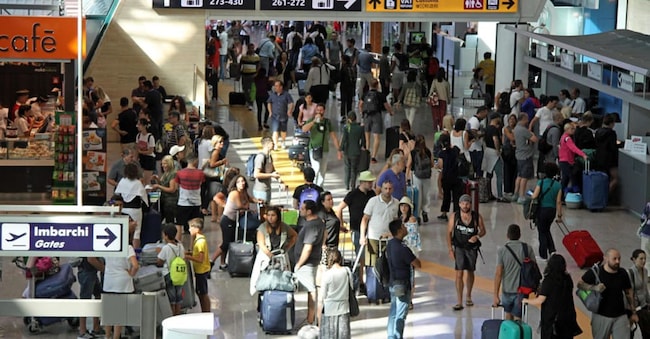
Aeroporti di Roma is considering suspending the new European biometric border control system to avoid the risk of chaos at the capital’s airports during the summer. The alarm was raised by the chief executive of Aeroporti di Roma, Marco Troncone, in an interview with the Financial Times. According to the executive, the new European biometric registration system for non-Schengen passengers, which involves the collection of fingerprints and passport details, risks clashing with the heavy passenger flows expected during the summer months.
“We are very concerned about the summer,” said Troncone. “The process is proving to be incompatible with the traffic peaks we will have to deal with. The only solution is to relax the checks: there is no way we can carry out 100 per cent of the planned checks.”
These concerns are not limited to Italian airports. For some time now, European airport and airline associations have been calling for a temporary suspension of the system during the summer months. The issues came to light after the new biometric registration system came fully into operation on 10 April.
Meanwhile, airlines are advising passengers to arrive at the airport at least three hours before departure to avoid the risk of missing their flight. Furthermore, in the event of a delay caused by long queues at security checks, airlines do not guarantee automatic rebooking onto subsequent flights.
The International Air Transport Association (IATA) has also issued a warning: at the busiest airports, waiting times could be as long as six hours.


