
Five solutions for not wasting unsold surplus food at Christmas
This is the initiative brought forward by Regardia, a leading player in Italy in the circular economy, which operates in the recovery of former food products by transforming them into useful resources through dedicated industrial processes

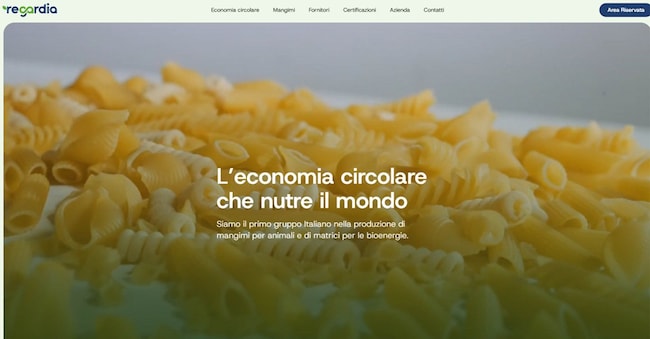
Five solutions for not wasting, but valorising, surplus food from the Christmas market. This is the initiative carried out by Regardia, Italy's leading player in the circular economy, which operates in the recovery of former food products, transforming them into useful resources through dedicated industrial processes.
It all starts with the fact that, after the boom in purchases, some of the panettone, chocolates, biscuits and packaged snacks remain unsold. A situation that requires a solution to avoid additional costs and waste.
Costs of 1.8% of turnover
According to the promoters of the initiative, in the confectionery sector alone, 'perfectly fit-for-consumption' products that remain unsold generate additional costs for discounts, redistribution, disposal and logistics, which can amount to up to 1.8% of turnover. Not to mention capital assets and operational inefficiencies "which weigh on overall profitability", as well as the environmental impact of resource consumption, emissions and waste management.
The manager
"Today, the real issue is no longer whether to manage unsold stock, but how to do so strategically," emphasises Paolo Fabbricatore, Group CEO of Regardia. "Every product that is held in stock represents a financial cost, an operational risk and a loss of value. Hence the need to find a solution. "Structured approaches make it possible to reverse this logic," he argues. "Transforming surplus into a concrete opportunity generates economic and environmental benefits throughout the supply chain. Reducing waste means acting directly on margins, operational efficiency and business strength'.
165 thousand tonnes of food saved
So the solutions with projects and initiatives aimed at transforming former food products into useful resources through dedicated processes. "Thanks to this model, more than 165,000 tonnes per year of surplus food and soluble wheat concentrate are, on average, preserved in the feed chain," Regardia emphasises, "avoiding the waste of resources that can still be valorised. The surpluses, instead of being destined for disposal, are sorted, processed, and reintroduced into the production cycle as raw materials for animal feed and as matrices for bioenergy, reducing the use of virgin resources and alleviating the logistical and environmental costs of unsold goods'. As a result, companies can reduce economic losses related to idle stock, limit management costs and turn an operational problem into a manageable and measurable resource.

