
Flood in Emilia-Romagna, less than 10% of public and private damage liquidated
One year after the tragic event that caused 8.5 billion in damage and 17 deaths, there are still few completed files and the reimbursements received are derisory

3' min read
3' min read
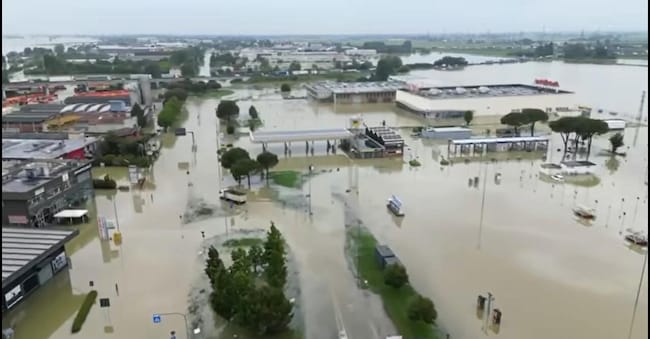
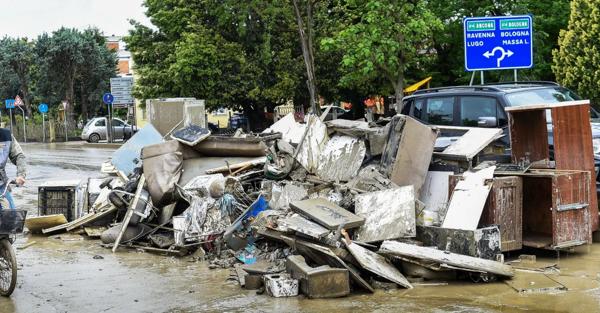
Few files have been settled, derisory reimbursements have been received, insufficient personnel have been deployed to manage reconstruction, and no compensation has been paid for movable property: this is the negative balance that the economic and social forces of Emilia-Romagna are drawing one year after the floods that between 3 and 17 May 2023 caused EUR 8.5 billion in damages certified by the EU (5 billion in the public sector, 3.5 billion in the private sector). A quantity of rain fell from the sky that usually falls in six months, causing 23 rivers to overflow, flooding 540 square kilometres of territory and triggering 80 thousand new landslides from the Reggio Emilia Apennines to the Rimini area. With 17 deaths, 70 thousand people damaged, 16 thousand businesses affected, reports the document of the Technical Commission headed by Professor Armando Brath, appointed by the Bonaccini Council. These are the numbers that emerged at the first meeting on the final Special Plan that the commissioner's structure will have to approve by June and in which new lines of sustainable intervention will be established in times of climate change, to give more space to rivers, relocate buildings at risk, and recalibrate urban planning.
A bitter balance sheet
Amidst technical discussions and commemorative initiatives - the most solemn event will be on Saturday 15 June in Faenza, the area hardest hit by the floods - controversy over delays and lack of funding occupy the scene. For public reconstruction, out of five billion euro of damage - according to data released by the Region - 440 million euro of resources have so far been disbursed in the area by the Government-Commissioner structure (9%). For private reconstruction, against a damage of 3.5 billion euro, 300 million euro have so far arrived from the government and another 401 thousand euro from commissioner orders (less than 10%). On the regional Sfinge platform (the tool for reimbursement applications), there are 775 completed private applications out of 1,900 registered users, and of these only 63 have been approved by Invitalia and 40 by the commissioner, against contributions paid for 29 applications. These are other numbers that Legacoop outlined a few days ago at Fornace Zarattini, the industrial area of Ravenna that went underwater a year ago and where companies have restarted, but with their own forces and thanks to private solidarity, not waiting for institutional help.
Expiring son and ghost technicians
.In the meantime, the expiry of the post-flood reconstruction commissioner Francesco Paolo Figliuolo's mandate is approaching (end of June). Regardless of possible reappointment, on which the governor Stefano Bonaccini is not too sure, "the commissioner should be given the opportunity to work as best he can," he says, "but the fact that in a year Rome has not been able to write in a decree that movable property will also be reimbursed seems a joke to me: what should someone who has had two metres of water in his house ask for as reimbursement? Perhaps the thorniest issue remains, however, that of the few technicians made available by the government to manage the huge reconstruction work: 'Unlike the earthquake, today there is an enormous amount of public building work to be done. The 216 additional people envisaged by the commissioner's order are few and far between, and only 50 have arrived, and there are no rankings, because there are Pnrr building sites all over Italy. The rule must be changed urgently,' intervenes the vice-president of the Region, Irene Priolo, pointing out that the Civil Protection has already completed all the emergency sites and most of the urgent ones.
The Government's Reply
."The magnitude of the event was so great that we cannot open all the construction sites at the same time, the whole road system would come to a halt," commissioner Figliuolo explained to Dire three days ago, recalling the 1.6 billion in aid already allocated by the government for 6,500 reconstruction projects and saying he was "satisfied". A sharp retort also came from Romagna's FdI deputy Alice Buonguerrieri: "In one year, the Meloni government has reimbursed 100 per cent of the emergency aid, securing the budgets of the local authorities, and allocated 3.5 billion for securing and maintaining the territory. Precisely what the Region has not done in the last 50 years and Bonaccini has the courage to point the finger when 12 years after the earthquake reconstruction is still not finished'.


