
Cohesion funds against high energy prices, clash between EU Commissioner Fitto and the regions
"The energy crisis is real. The proposed solution is not," wrote the President of the European Committee of the Regions, Kata Tutto, on X, accusing Brussels of turning cohesion policy into an 'emergency cash machine' at the expense of long-term structural investments
Key points
In the end, it was the European Commissioner for Cohesion, Raffaele Fitto, who found a way out for the member states that were asking for more financial flexibility to deal with the new energy emergency. After weeks of talks without concrete results between Brussels and the European capitals, the Commission has opened up the possibility of using already available cohesion funds to support households, businesses and energy investments.
The Italia government's request
The move came in response to pressure from several governments, including Italia. Only a few weeks ago, Prime Minister Giorgia Meloni had formally asked Brussels to extend to the energy sector the exemptions to the Stability Pact envisaged for defence, in light of geopolitical tensions in the Middle East and the repercussions on international energy markets, aggravated by the closure of the Strait of Hormuz.
Fitto's intervention
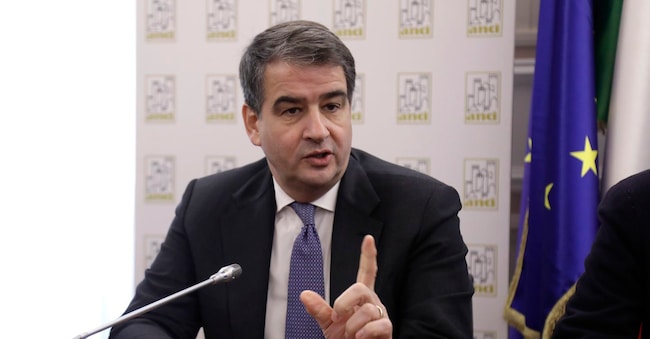
Political agreement, however, proved difficult. Hence the intervention of Fitto, an exponent of Fratelli d'Italia and Vice-President of the Commission with responsibility for Cohesion, who, in a letter addressed to the 27 member states, indicated an alternative solution: speeding up and reshaping the use of cohesion policy resources and the Just Transition Fund (JTF).
The starting point is a voluntary review of European programmes that has already freed up some EUR 35 billion at EU level, of which EUR 7 billion is earmarked for Italia. Resources that could now be directed towards interventions against the high energy price without opening a new negotiating front on the Stability Pact.
The request to accelerate
In his communication to European ministers, Fitto emphasised the need to make "full and timely" use of the European funds already available, especially in a phase characterised by rising energy prices and increasing pressure on households and the production system. This call is part of the new 'AccelerateEU - Energy Union' strategy, with which Brussels aims to accelerate investment in clean energy, industrial resilience and social equity.

