
Food poverty: one in ten families in Italy sacrifices diet quality
A report by the Food Insecurity and Poverty Observatory shows that 8.4 per cent of our country's population has difficulty accessing food. A healthy diet can cost up to 60% more than one based on ultra-processed foods

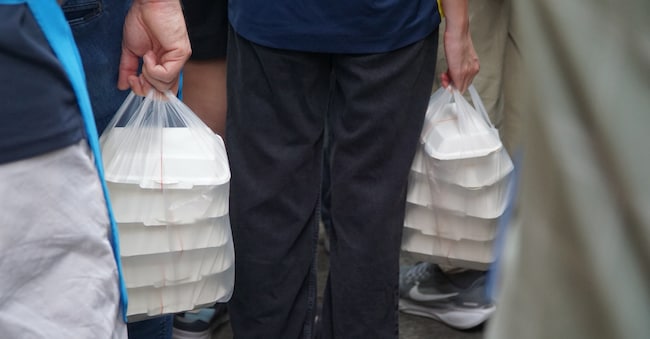
While Italian cuisine becomes a Intangible Heritage of Humanity recognised by Unesco, in our country more than one in ten families reduce the quality of their diet for economic reasons.
This is what emerges from a study by the Osservatorio Insicurezza e Povertà Alimentare (OIPA) in collaboration with Istat and the FAO. The study, presented on 18 December in Rome and entitled 'Poverty and food insecurity in Italy', highlights the difficulties of a considerable segment of the population in having access to healthy and balanced food.
Numbers in the World
Globally, the situation has worsened since the pandemic. In 2020, difficulties in ensuring adequate food supply increased and did not return to pre-Covid levels. According to the FAO, in 2024 almost one third of the world's population, some 2.3 billion people, experienced moderate or severe food insecurity, i.e. they did not have regular access to sufficient and nutritious food.
Food insecurity also affects more advanced economies. Last year, in Europe and North America, 92 million citizens - 8.1% of the population - experienced significant problems in accessing food.
Numbers that affect daily life. Suffice it to say that, according to Eurostat, in 2023 almost one in ten Europeans could not afford a protein meal every other day. The FAO estimates also show a gender gap: in north-western Europe women are less likely to have problems with access to food than men, while in the south and east of the continent the opposite is true.

