
Food security at G20, commitment against hunger and food price volatility
Leaders meeting in Johannesburg said they were alarmed that "720 million people will go hungry in 2024 and that 2.6 billion people will not be in a position to eat a healthy diet"

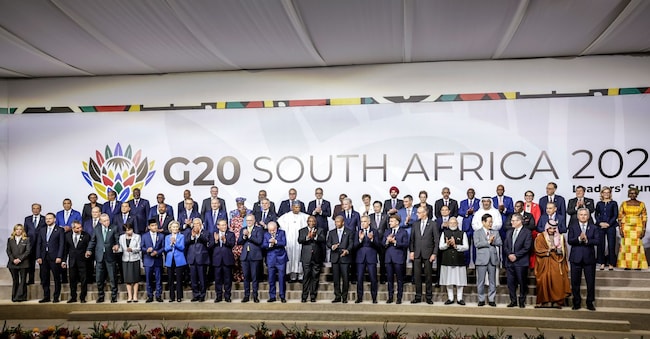
Access to food is a right by political will and the beacon of an inclusive and non-discriminatory trade policy, consistent with the founding rules of the WTO. These are the two cornerstones of the Food Security outlined by the leaders of the G20, in Johannesburg, and laid out in five paragraphs - out of 122 - of the joint document.
While recognising the progress that has been made in reducing world hunger, the leaders said they were alarmed that "still 720 million people are hungry in 2024 and 2.6 billion people are not in a position to eat a healthy diet".
Once again the world's greats reaffirm that 'food is at the centre of human life' and reaffirm that the G20 should make every effort to ensure Sustainable Development Goal 2 and the progressive realisation of the right to food in the context of national food security. Above all, they recognise the "fundamental right of every individual to be free from hunger", supported by the political will to "create the conditions to expand access to and availability of safe, healthy and nutritious food".
The other key passage in the leaders' document concerns trade policy, which they call for a return to an 'open and non-discriminatory' spirit. It is precisely regional and international agreements that are the most effective systems through which the modernisation of agriculture and food systems can be achieved. "Ensure supplies, food security, production and improve access to and availability of healthy diets," the document calls for.
To this end, the "Ubuntu approaches" developed during the conference, which aim to "address the negative impacts of excessive food price volatility, particularly for low-income households", are welcomed.

