Solidarity

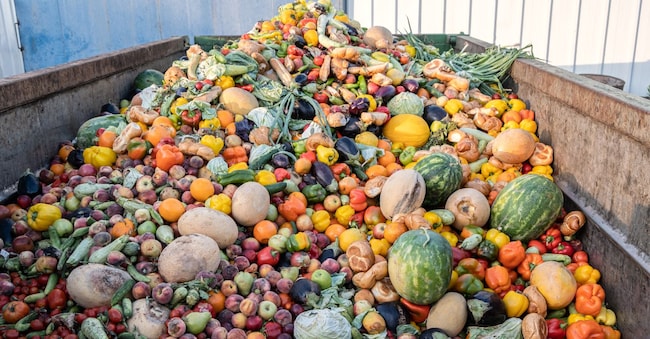
Food waste: the Gadda Act has led to the recovery of food and medicines worth 10 billion

The commitment shown by ETSs, as highlighted in the national survey carried out by Fondazione Valore and Fondazione Terzjus, is significant

ArieStudio - stock.adobe.com

4' min read

Translated by AI
Versione italiana

4' min read

Translated by AI
Versione italiana

It was 14 September 2016 when the Gadda Act (166/2016) came into force with an ambitious yet necessary mission: to mark a turning point in the fight against food and pharmaceutical waste. There were several objectives to be achieved, and just as many tools to be implemented: establishing a clear regulatory framework, putting in place incentives to encourage the donation of surplus and unsold goods by citizens, businesses and public bodies, and creating synergy between businesses, institutions and the third sector.

After ten years, what seemed like a daunting challenge has finally borne fruit. And, although there is still a long way to go, the cultural shift that has been set in motion is clear to see. This is also thanks to the hard work of the ETS organisations. This is confirmed by the assessment of the economic impact of the law and the initial findings of a national survey on the third sector, carried out by Fondazione Valore and Fondazione Terzjus, with the support of Fondazione Cariplo, and presented yesterday at Montecitorio during the conference ‘Ten years not wasted. The Gadda Law 166/2016: the results, the alliances, the future’.

Loading...

The effects of the law

There are two figures that vividly illustrate the positive effects of the legislation: on the one hand, the increase in donations made in Italia between 2016 and 2025 (+95 per cent); on the other, the quantification of surplus stock sold. Looking more specifically at the figures collected over the decade, in fact,from the food sector – industry and distribution – 3.7 million tonnes of products (an average of 368,000 tonnes per year) were dispatched, with a value of almost 10 billion euros.

Positive figures alsofrom the pharmaceutical sector: between corporate donations and the recovery of medicines, 40 million packs were donated (an average of four million per year), totalling 423 million euros.

Across the two sectors, the value is estimated at 10.3 billion euros approximately. This is a conservative figure which – as the report notes – confirms the social value of stock that is still perfectly usable and which, above all, is set to grow: the research, which is still ongoing, has not yet included donations from the agriculture and fisheries sectors, public establishments and the catering sector, nor those relating to items other than food and medicines.

Also worth noting is the contribution made by the meetings industry: surplus food was collected at more than 850 conventions, conferences and major events. Over 260,000 meals were donated, and around 14,000 kilos of bread and fruit.

“The figures show that Law 166 has worked. We have chosen to place our trust in society, businesses and ETSs, focusing on simplifications and incentives rather than on obligations and penalties. Good policy does not seek to invent solidarity; it recognises it, provides it with tools and unleashes the energies that already exist,” commented Maria Chiara Gadda, vice-chair of the Chamber of Deputies’ Agriculture Committee and the bill’s lead sponsor. “Now we need to move on to the next phase: supporting logistics and equipment for the third sector, including through a tax credit, and including medicines for mental health among the items eligible for donation. Because good laws are updated by looking to the needs of the future’.

It is therefore necessary to ensure an increasingly consistent application of the legislation, raising awareness of the tools available and expanding the range of companies and organisations that can benefit from them.

The contribution of the ETS

The push to implement support measures for ETSs is underpinned, above all, by the commitment shown in the management of donations. The first phase of the survey – conducted amongst 632 organisations operating in the anti-waste sector – revealed that over the last 12 months more than 80% had collected or received food, more than 67% had received non-food and non-pharmaceutical goods, and 41% had received medicines.

Not only that: 66 per cent operate simultaneously in at least two sectors. More than 81 per cent receive donations from businesses, around 61 per cent from individual citizens via collections or more structured fundraising campaigns, and over 22 per cent from public bodies. More than eight in ten ETS organisations are registered with RUNTS (over 85 per cent of the sample), have been active for more than ten years (44.6 per cent) and, for the most part, rely on voluntary work: over 51 per cent have no employees or staff, whilst 19 per cent rely instead on a small group of volunteers.

Loading...

Local distribution

As for distribution, it mainly takes place on a local scale, across towns and individual neighbourhoods (72 per cent of cases), and involves families and individuals in financial difficulty (26.6 per cent), vulnerable older people (17.3 per cent), homeless people (15.4 per cent) and resident immigrants (over 13 per cent). By contrast, the proportion was lower for people with disabilities and chronic illnesses (9.8%), refugees and asylum seekers (6.5%) and recipients of international humanitarian aid (2.5%).

Positive trend and future objectives

“This initial survey reveals a widespread network of organisations – mostly small in scale – that are deeply rooted in their local areas and driven above all by the commitment of volunteers. Organisations which, every day, recover goods that would otherwise be wasted and transform them into practical support for those in vulnerable circumstances,” added Luigi Bobba, president of the Terzjus Foundation. “The fact that over half (55.4 per cent) of the organisations began this activity after 2016 confirms the growing prevalence, over the last ten years, of an awareness focused on recovery and donation. And the impact of the law is also evident from the significant increase in food donations in the three years following its approval and from the growth seen after the pandemic, in response to the rise in social needs.”

The next steps to take, in order to keep this trend going, are set in stone: ‘We need to strengthen the network and make it more stable, by focusing on training, digital tools, and ever-closer cooperation among the stakeholders involved in the local area and on a better understanding of the legislation through information campaigns’. In fact, of the organisations interviewed, only 39.6 per cent are fully aware of what Law 166/2016 is and what it covers; the rest have only a partial understanding or none at all.

Copyright reserved ©
Loading...

Brand connect

Loading...

Newsletter

Notizie e approfondimenti sugli avvenimenti politici, economici e finanziari.

Iscriviti