
Foodprint, the tool to calculate the environmental impact of recipes
Used by over 2,000 chefs, it is now accessible to everyone. It is one of the results of the three-year Eu Life Climate Smart Chefs project

6' min read
Key points
6' min read
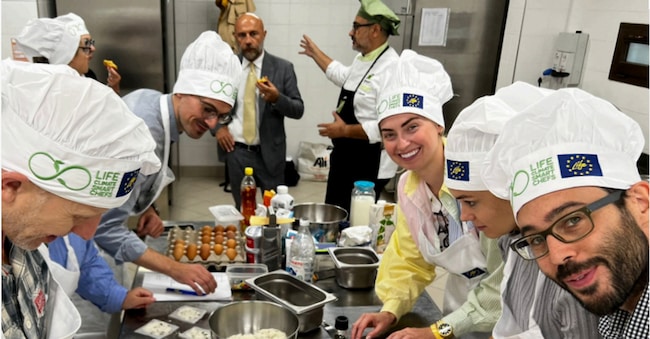
A concrete tool to calculate the environmental impact of the recipes and food you bring to the table. Used in three years by more than 2,000 chefs worldwide, Foodprint is now a platform available to everyone, in time to try to create more sustainable and healthy menus even on holidays. This is one of the key results of the three-year European project Life Climate Smart Chefs, which ended on 6 December with a conference to present its results at the Nhow hotel in Milan. During the event, prizes were also awarded for 'best sustainable restaurant', 'best sustainable recipe' and 'best non-profit initiative'.
Funded by the European Union's Life Programme, it was coordinated by the Barilla Foundation with international partners such as Alma, Enaip, Jamk and Nutritics, a catering software company, which developed the Foodprint platform.
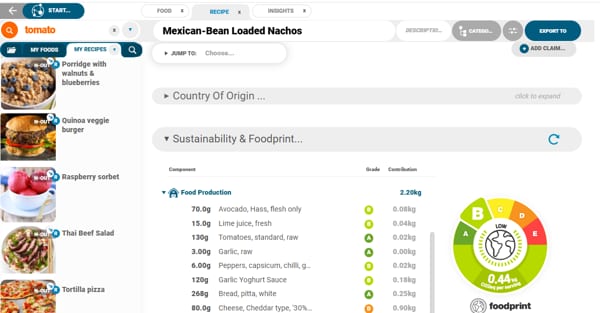
"Foodprint was created as a tool for training chefs, to move from theory to practice," explains Marta Antonelli, project coordinator and director of the research area at Fondazione Barilla. "We felt it was only right that the next step was to share it with everyone, to help them better understand our environmental impact at the table, and learn how to mitigate it. The aim is to bring people closer, inform them and give them tools to speed up this process".
The database on which Foodprint is based contains hundreds of ingredients, Mediterranean, European and global, and was set up by the Barilla Foundation as part of the European project Su-Eatable Life, which aimed precisely to reduce the impact of eating habits.
"By registering on the platform, each user will be able to check the environmental impact of various foods and upload up to 25 of their own recipes, the ones they like and consume the most. A clear visual result is returned, as well as shipping data on carbon footprint and water consumption - continues Antonelli - In a forthcoming update, alternatives will be suggested for certain ingredients with the same nutritional values, and the tool will also highlight other actions that can further lower the impact on the environment and health, such as consuming seasonal fruit and vegetables".
Research published by the Barilla Foundation in 2022 shows the correlation between a nutrient-poor diet and cardiovascular disease, which is the leading cause of disability and premature death in Europe. Antonelli explains: '50% of cardiovascular diseases are linked to a sub-optimal daily diet. In contrast, a diet that mitigates the incidence of these diseases automatically reduces the carbon footprint by more than 48%'. The important thing is to remember to look not at the individual meal, but at the whole day. In accordance with a diet model that is scientifically, nationally and internationally recognised, mainly plant-based and very close to the Mediterranean diet.

