
For a regenerative economy: focusing on education in a changing world

3' min read
3' min read
We are at a crucial time. Extreme weather phenomena such as heat waves, fires, cyclones, droughts and floods are becoming more frequent and intense globally. Such events damage individuals, economic systems and the environment. They also have serious repercussions for children: more than one billion children reside in countries that are highly exposed to the effects of climate change.
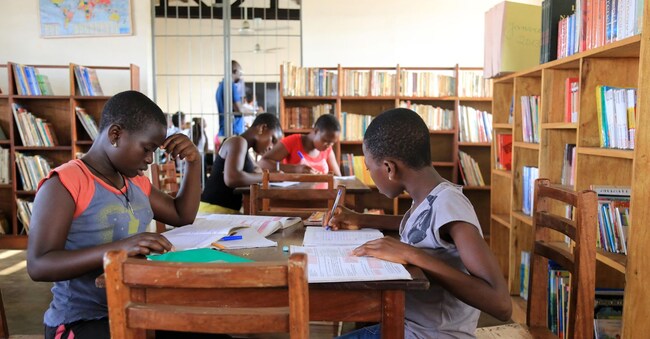
For some, a climate disaster means a complete interruption of their education. At least 4 million girls in low- and lower-middle-income countries have been prevented from continuing their education as a result of climate-related events (World Bank, 2024).
This is devastating for these children, and also for their societies and economies. Without education, one cannot aspire to economic growth or the building of more egalitarian, stable and flourishing societies.
This is crucial today: climate change is reshaping our societies and economies. The shift to more sustainable industries will require specific skills for an estimated 100 million new jobs. Existing occupations are also demanding new skills, such as critical thinking, problem-solving and digital skills.
Education systems are the best means to equip young people with these skills. Furthermore, education is the strongest predictor of climate change awareness and can even encourage more sustainable choices. Primary school children who benefit from climate education are able to reduce energy consumption in their homes by more than 15%.

