
For the EU, one in four Italians risk housing poverty
Housing costs put more than 27% of Italians at risk of destitution

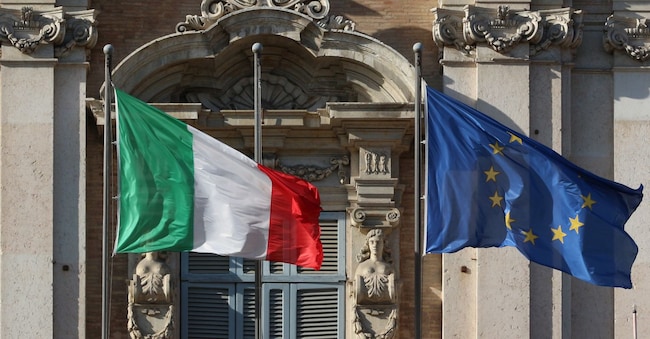
The high cost of housing in Italy bites the wallet. And it drags one Italian in four into the risk of housing poverty. This is clearly stated in the Eurostat data used by the European Commission to accompany the EU Housing Plan proposal presented last month by Commissioner Dan Jørgensen.
The figures show that in Italy the risk of poverty rises from 18.9 per cent to 27.8 per cent once housing costs are subtracted from disposable income. Almost nine percentage points more, which illustrates the direct impact of rents, mortgages and bills on family budgets.
The European comparison does not soften the picture. In the EU-27, the rate measuring the risk of poverty rises from 16.2 per cent to 29.6 per cent after housing costs, but Italy, despite ultimately being just below the European average, already starts from higher levels and remains structurally exposed. In short, the house becomes a particularly onerous asset to buy, rent and then maintain, especially in large cities: it is precisely in the satisfaction of this primary need that a substantial part of the population slips below the poverty line. Not least because for Italians' assets, the home remains a pivotal asset: our country is still characterised by a strong presence of owners (76% of those who own a property, considering those with or without a mortgage), well above the EU average (which stands at 68%).
European data confirm that the problem is not just income in absolute terms, but the unbalanced relationship between income and housing costs. A dynamic that mainly affects renters, young people and low-income families (precisely the objectives of the housing plan), turning housing costs into the main multiplier of economic vulnerability. The effects are also visible on a social level. People at risk of poverty are very frequently affected by phenomena such as overcrowding of dwellings, the impossibility of heating them adequately or, even, in the most serious cases, they are forced to live in properties with features that undermine their habitability: damaged roofs, absence of toilets or insufficient light.
With regard to the inability to keep the home adequately heated, the social divide is clear but with an Italian specificity. Among people at risk of poverty, the quota in Italy is 18.4%, slightly lower than the EU average of 19.7%. The gap emerges, however, strongly in comparison with those not at risk of poverty. In Italy, only 6.3% of people outside the poverty risk area declare difficulty in heating their homes, against 18.4% of those at risk. A ratio of almost three to one, which highlights how the problem of housing comfort is closely linked to income. Finally, the difficulty in accessing adequate housing is reflected in the pathways to autonomy: the average age at which young people leave their family of origin is over 30, well above the European average, which is just over 26.


