
For fleet queens: multi-energy
Arrivals on the car lists highlight the demand for models that can be combined with different fuels, confirming that 100% electric cannot be the only choice for the business world

3' min read
3' min read
Technology neutrality. That is, the principle that the energy transition is achievable through a flexible approach to available technologies, not limited to a single solution but through a set of technologies to be used according to one's needs and their maturity and effectiveness in reducing emissions. What does all this have to do with choosing the ideal car for the car list? It has everything to do with it, because the right power supply is synonymous with greater efficiency, lower emissions and lower running costs, but above all it translates into greater user satisfaction. And after years of electric 'at all costs', in response to company policies that were perfect when written on aseptic powerpoints but difficult to apply in everyday life, today's business offering shows a focus on technological neutrality that seemed to be on the wane.
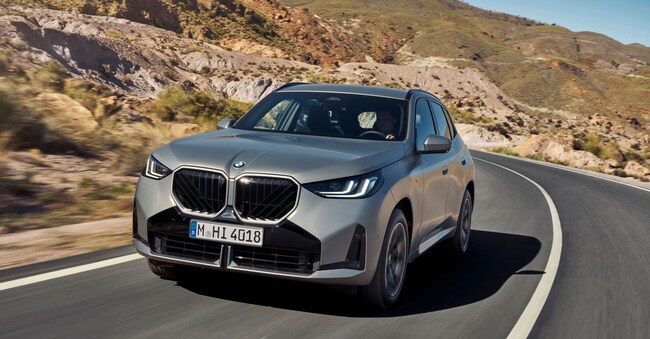
Not only that: historical models such as the Bmw X3, recently unveiled in conjunction with the fourth generation, debuted with diesel and petrol engines (electrified, of course) while the all-electric iX3 version will arrive during 2025 and will be built on the new architecture developed for the Neue Klasse family.
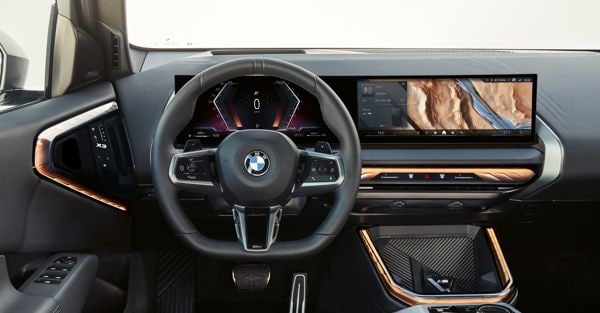
The X3, on the other hand, continues to have all the credentials to become one of the 'queens' of premium car lists thanks to its combination of driving pleasure, connectivity, comfort and safety. The interior is characterised by the large curved screen consisting of the 12.3" configurable cockpit and 14.9" touch display of the infotainment system from which the Android-based iDrive 9 operating system can be managed. The Adas package, comprising 40 safety devices, is complete.
Bmw's own Adas, which can include up to 40 devices. On the powertrain front, all matched with automatic transmission and all-wheel drive, the most outstanding for the fleet world are the 48-volt diesel hybrid xDrive20d version with 197 horsepower and the plug-in hybrid 30e xDrive with 299 horsepower and 90 kilometres of autonomy in 100% electric mode.
Remaining among the multi-energy SUVs, the Volkswagen Tayron offers a wide range of engines and also adds a cabin for up to seven people. A stretched version of the third-generation Tiguan, it exceeds 100 kilometres in full-electric drive thanks to a 19.7 kWh net battery that can also be recharged in DC mode up to 50 kW.

