
A new youth for linen between textiles, automotive and large-scale retail trade
The 'Flax of Italy' project of Linificio e Canapificio Nazionale is growing and now involves over 100 hectares. Managing Director Vignaga: we have developed the finest yarn in the world because we invest in research and technology

3' min read
3' min read
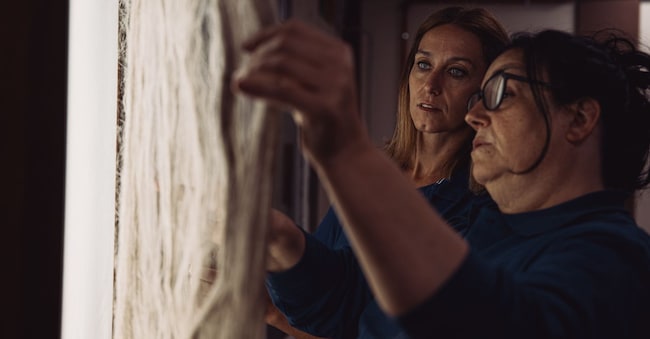
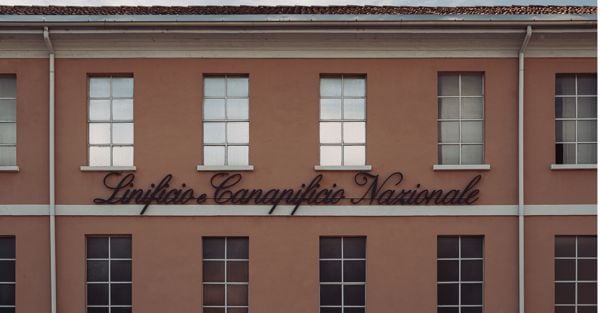
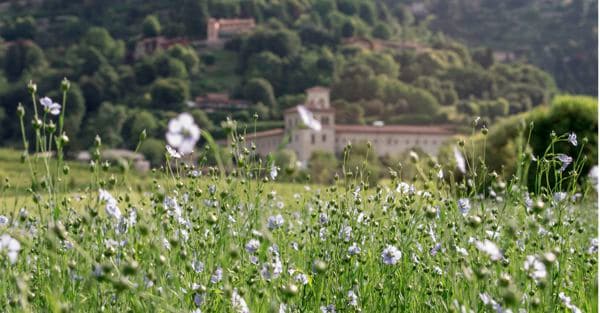
The first harvest of the tall, slender plants with heavenly flowers took place in the midst of the Covid pandemic, which dramatically marked the history of that area, the province of Bergamo, and brought with it a first sign of rebirth. With the Lino d'Italia project, which started in the Astino Valley, the Linificio e Canapificio Nazionale, a historic company founded in 1873 in Villa d'Almè and now part of the Marzotto group, has tried more widely to revive the linen chain that until the middle of the last century was one of Italy's textile excellences. With definite success: 'We started with 3 hectares and today we have reached almost 100, distributed between the province of Prato, Padua and again in the Bergamo area, but in another location,' explains Luca Vignaga, managing director of the Linificio. The quality of the production is very good, even though it is certainly a minimal quantity compared to the production in Normandy, Belgium and Holland, where 90% of the world's flax is grown and where 200,000 hectares of flax were planted this year. Ours is a project of great historical value, it allows us to go back to our roots, because in the past all the territories in the Linen Mill area between the late 19th and early 20th century were cultivated with flax. But it also looks to the future, because demand is growing for a product that is the result of a totally Italian supply chain'.
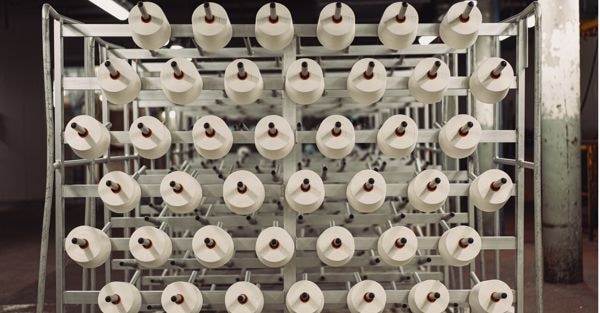
In general, it is flax, the oldest textile fibre in the history of mankind, that has enjoyed new success in recent years, as demonstrated by its prominence in some of the collections of iconic fashion brands (one for all, Zegna's Oasi del Lino for spring-summer 2024, presented in Milan among 192 bales of raw flax from Normandy): supporting its demand, especially from luxury companies, are its strong sustainability characteristics, since its cultivation requires very little water and pesticides and its production does not require chemical agents and manages to recover all waste, but also its evolution in fineness, made possible by the technological development of machinery, a segment in which the Linificio is a leader: 'We have developed the absolute finest yarn in the world, which goes up to the metric number 110. This is truly a boast for us, who are continuously investing in research and development of new production technologies as well," continues the managing director.
However, in addition to the traditional and still pre-eminent textile destination, flax together with hemp are also entering other industrial categories with increasing success, especially through so-called composite materials. Already a few years ago, for example, hemp fibre components were made for the bodywork of Romeo Ferraris' Alfa Giulia Etcr, an electric variant destined for the Pure Etcr championship: 'Electric cars must have a light weight, so the composite with flax yarn allows resilience, like other fibres, but also a certain lightness,' notes Vignaga. We also produce linen nets to hold fruit and vegetables for the large-scale retail trade, especially in France and Germany, a solution that stems from our research to replace the plastic in fishing nets with linen'.
This new youthfulness, also in applications, of the fibres is also supporting the accounts of the Linificio, which closed 2024 with 57.8 million in turnover, a stable figure compared to the previous year, in the context of a textile industry that is suffering the heavy consequences of global tensions: 'The context is very difficult but we have signs of a recovery in linen compared to 2024. And above all, the growth of interest in this fibre is confirmed year after year'.


