
5% growth for the Piedmont grape harvest
According to data formulated by Assoenologi, the production of wine and must this year will rise from 2.7 million hectolitres in 2024 to 2.8 million

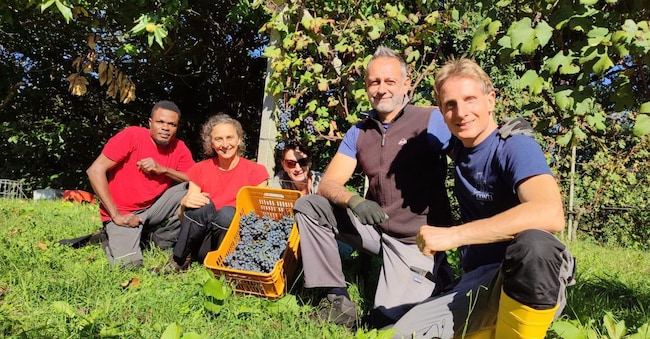
The grape harvest estimates for 2025, formulated by Assoenologi, Unione italiana vini (UIV) and Istituto di servizi per il mercato agricolo alimentare (Ismea), foresee a +5% increase in wine and must production in Piedmont, from 2,698 thousand hectolitres in 2024 to 2,832 this year.
The feedback from wine sector operators paints a composite picture, from which emerge the many difficulties wine producers have been grappling with in this production year and which, in some cases, have led to a drop in production.
"In Upper Piedmont from a quantitative point of view, we did quite badly,' explains Eugenio Arlunno, owner of the Mirù farm in Ghemme and vice president of Vignaioli piemontesi. 'The attacks by wild boar and roe deer destroyed at least 30% of the product, with very significant damage to the grapes for white wine, which are the first to ripen and for which the percentage rises to 70%. The harvest in our area starts first with the rare grapes and then with Vespolina and last of all Nebbiolo, for which the situation is a little better.
Andrea Fontana – enologo e presidente del Consorzio tutela Nebbioli Alto Piemonte, una realtà che raccoglie circa 140 aziende delle province di Biella, Novara, Vercelli e del Verbano Cusio Ossola in rappresentanza di otto Doc (Boca, Bramaterra, Colline Novaresi, Coste della Sesia, Fara, Lessona, Sizzano e Valli Ossolane) e due Docg (Gattinara e Ghemme) – non esita a parlare di una «annata abbastanza difficile dal punto climatico. Da gennaio fino a maggio abbiamo avuto tanta pioggia e di conseguenza i terreni erano molto umidi, poi giugno è stato molto caldo, quasi da mese di luglio, e le piante sono esplose ma con pericolo di notevoli malattie. L’unico mese “decente”, con un clima abbastanza secco, è stato luglio, che ha un po’ rallentato perché eravamo avanti. Ad agosto ha fatto di nuovo molto caldo ma poi da metà mese ha iniziato a piovere un po’ troppo, con problemi di tenuta delle foglie. A tutto ciò si aggiungono la popillia japonica, molto presente in quantità mai viste, e gli anim
Everything has become much more problematic and therefore we have less margin for error in the vineyard. In Ghemme, the harvest is practically over: it is not an abundant year, but an average one, with losses of even 20-30% due to these problematic situations. For those who have worked well, there is also quality. We then have to deal with a drop in demand for wine in general, which, combined with ever higher labour costs, leads to ever smaller margins. Wine is becoming a luxury product, it is no longer part of everyday life, and to this we must add the health campaigns and the loss of driving licence points for those who drink even just one glass more, which affect the reduction in their consumption.

