
For the plastic tax comes the seventh postponement. Sugar tax in force from July, but with soft start
Business protest at the entry into force of the Sugar tax

3' min read
3' min read
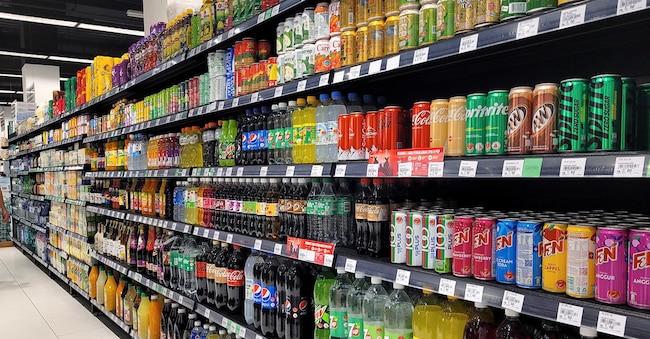
Seventh extension for the Plastic Tax, until July 2026, while for the Sugar Tax the extensions end here, and the measure will come into vogue from 1 July in a soft version, to then take full effect from July 2026. For the latter, there have already been protests from businesses. These are two taxes with a revenue of around 650 million annually.
L’emendamento
The changes are contained in the government's stamped amendment to the Superbonus Bill, under discussion in the Senate. Here an extension comes into effect for the plastic tax: it will take effect from 1 July 2024 to 1 July 2026. The sugar tax, on the other hand, is cut: for finished products, it goes down to EUR 5.00 per hectolitre (from EUR 10.00), but, as of 1 July 2026 (as in the original regulation of the 2020 manoeuvre), it goes back to EUR 10.00 per hectolitre; for products prepared for use after dilution, it goes down to EUR 0.13 per kilogram, but, as of 1 July 2026 (as in the original regulation of the 2020 manoeuvre), it goes back to EUR 0.25 per kilogram.
Business protest
."We learn of a stamped amendment by the Government - is the comment of Assobibe, the Associazione Bevande Analcoliche adhering to Confindustria - aimed at not postponing the implementation of the Sugar tax, the tax that affects only soft drinks even when sugar-free. With only a few weeks to go before the date of entry into force, scheduled for 1 July 2024, this indiscretion, if confirmed, is a cold shower after the repeated statements about not wanting to harass businesses and the reassurances given to the sector in recent weeks on the subject. We trust that the political will of this government will be consistent with the positions it has always upheld, to avoid being the first to implement a tax that has always been defined as useless and harmful".
L’origine
The Budget Law 2020 of the Yellow Conte government had introduced two new taxes: the Plastic Tax, i.e. the tax on the consumption of single-use plastic products, and the Sugar Tax, i.e. the tax on the consumption of sweetened soft drinks. The two taxes, designed to hit the use of polluting single-use plastics and the consumption of unhealthy sweetened drinks, had immediately turned out to be very complicated to implement, and had ignited a revolt by companies in the two affected sectors.
Taxes
.The Plastic Tax is a fixed value tax of EUR 0.45 that producers, importers and consumers would have to pay for every kilo of plastic products sold or purchased. The Sugar Tax is a tax on the consumption of sweetened soft drinks at the rate of EUR 10 per hectolitre in the case of finished products and EUR 0.25 per kg in the case of products prepared for use after dilution.


