For a special toast, time-travelling champagnes
Blends of historic vintages and endless archives for the chef de cave tasting, but also pairing with sculptures and limited edition bottles. At Easter and Paquetta treat yourself to the luxury of slowness.

5' min read
5' min read
For years now, the great champagne houses have taken the path of slowness, which like a fil rouge links styles and philosophies of production that are also very different. A long time that is the time spent on the lees, but also that used to create collaborations with artists who reinterpret the essence of a champagne. That, finally, which is used for the skilful blending of dozens, sometimes hundreds, of wines stored in the cellar, in the darkness and silence of quarries dug into the chalk, and makes the champagnes that embellish the festivities unique. Like a great orchestra, each year Krug Grande Cuvée chooses its musicians, the wines, to recreate an unmistakable melody. For the 171 edition, chef de cave Julie Cavil has assembled 131 - mostly Pinot Noir and Chardonnay - from 12 different vintages, the most recent being the 2015, the oldest the 2000.
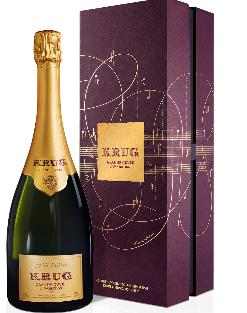
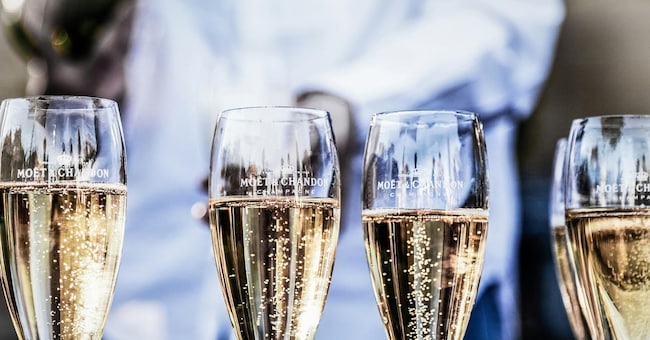
It is clear here how the time factor is a fundamental ingredient of creation; the time spent in the cellar, over seven years, and the time dedicated to tasting an endless archive, to find the wines that sound best together. They sound: because this complex, multifaceted, elegant cuvée is accompanied each year by a specially written melody, to be listened to while tasting. In the goblet, this year the orchestra is of budding flowers, dried fruit, marzipan, citrus fruits and continues with notes of almond paste, quince and limoncello. The concept of time returns in the Collection Impériale Moët & Chandon, the cuvée imagined by chef de cave Benoît Gouez for the 280th anniversary of the maison and which in 2043 will reach, with a release every two years, birthday number 300. We are talking about a layered and complex brut nature, a blend of seven extraordinary vintages harmoniously united.
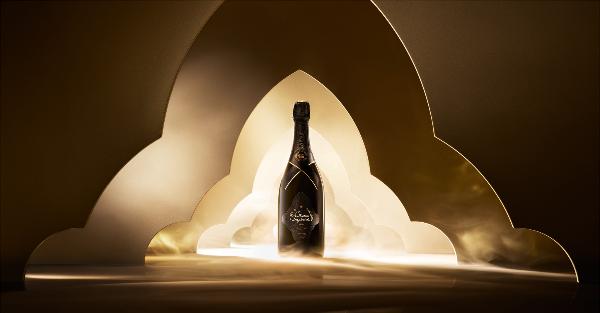
The complexity of Collection Impériale Création No. 1 can already be appreciated on the nose, with mineral notes accompanied by white grapes and candied citrus fruits. Ripe and generous on the palate, with a creamy, delicate effervescence and a liquorice and smoky finish. The cuvée also marks Moët & Chandon's collaboration with the American artist Daniel Arsham who, inspired by the maison's magnificent Château de Saran site, created a monumental sculpture using a cast white resin that evokes both the chalky soils of the vineyards and, through subtle traces of erosion, the passage of time. In addition to the sculpture, Arsham also designed 85 limited edition bottles, true collectors' items even after tasting the champagne. The contamination between champagne and art has always been a peculiarity of Perrier-Jouët. So the table flourishes with the two limited editions for Perrier-Jouët Blanc de Blancs and Belle Epoque 2015.
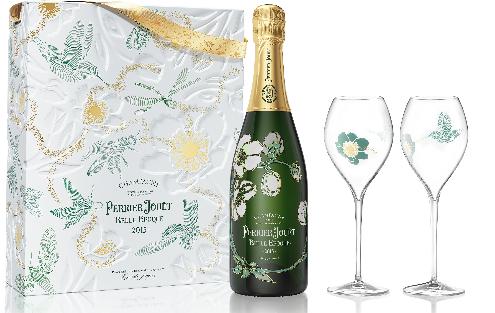
Wonderful bottles that reveal a riot of flowers and nature and anticipate the taste sensations: white petals, budding corollas, delicate citrus fruits on a savoury, mineral background. Dom Pérignon is not the only maison to play with time, but certainly one of the first to have extended ageing almost indefinitely, making it its signature style. Here, the commitment of chef de cave Vincent Chaperon is not the perfect blend of vintages but, on the contrary, witnessing the harvest of a single vintage, in the "vintage only" philosophy. This year's guiding principle was 'From matter to light', dedicated to all those who transform raw materials into creations. And there is a lot of material in the Dom Pérignon Rosé Vintage 2009, which slowly transforms Pinot Noir and Chardonnay with an ageing in the cellar that lasts almost 12 years.
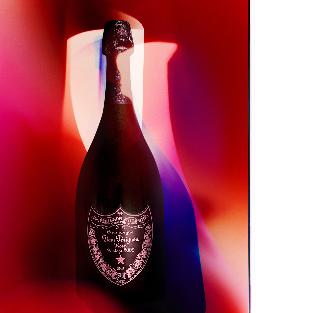
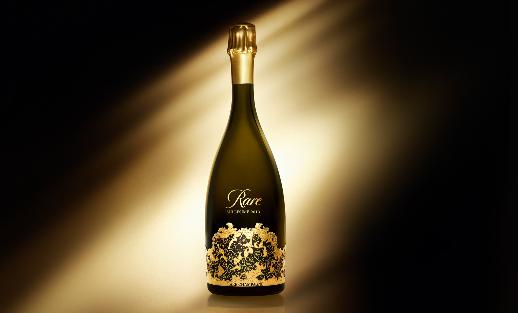
The fruit - the matter, in fact - dominates: the first sip feels like biting into a freshly picked grape. Full-bodied and enveloping, it offers an aromatic bouquet of raspberry and cherry with dark notes of cassis and fig, against a background of gingerbread and liquorice. The finish is fresh again, thanks to the mineral and savoury elegance of the Chardonnay. Since 1985, the year of its birth, Rare Champagne has labelled only thirteen vintages. Even fewer, only four, for the Rare Rosé Millésime. This is enough to understand the value of waiting and vintage selection, which becomes excellent quality in the hands of chef de cave Émilien Boutillat, Sparkling Winemaker of the Year 2023. Unmistakable thanks to the jewel-like bottle that catches the light and the gaze, the Rare Millésime 2013, in the House's game of matching an adjective to each release, is described as "bewitching".