
For three out of four students, affective education is already a reality at school
The survey shows that the main demand of students concerns psychological well-being: 46% indicate support on anxiety, fears and panic attacks as a priority
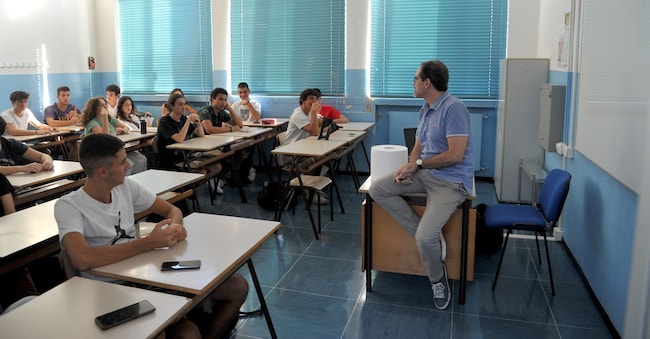
Education on respect and relationships is already present in Italian schools for three out of four students. This is shown by a Skuola.net survey conducted on about a thousand middle and high school pupils, the day after the final approval of the Valditara bill introducing the obligation of informed consent for extracurricular activities related to sexuality and affectivity.
The investigation
According to the survey, 73% of the students say that their school has organised lessons, meetings or activities on topics such as relationships, emotions, consent and gender bias. Only 27% claim that little or nothing has been done on these topics. In detail, 29% report having participated in several specific meetings, 26% speak of occasional initiatives during the school year and 18% of topics addressed by individual teachers during lessons. The survey also shows a significant difference between middle and high schools.
Middle school
In secondary schools, 38% of students say they have taken part in numerous activities devoted to respect education, a percentage that drops to 19% in high schools. The dissemination of sex education, on the other hand, is more limited. In this case, 40% of students complain of little or no attendance at lessons devoted to sexual health, reproduction, sexually transmitted diseases and affectivity. 21% took part in several specific meetings, 23% in sporadic activities, and 16% addressed the topic through their curricular lessons.
High School
Among high school students, the phenomenon appears even more pronounced: 52% claim not to have received any specific training on the subject, compared to 27% among middle school students. As for the quality of the initiatives, an interlocutory judgment prevails. 52% of the students consider the activities on respect education to be useful but consider them to be improvable because they are often too theoretical, while 37% fully support them. Rejections stop at between 10% and 12%.
Psychological well-being first request
The survey shows that the students' main request concerns psychological well-being: 46% indicate support on anxiety, fears and panic attacks as a priority. This is followed, both at 39%, by education on healthy relationships and education on consent and the prevention of gender-based violence.

Brand connect


Newsletter Scuola+
La newsletter premium dedicata al mondo della scuola con approfondimenti normativi, analisi e guide operative
Abbonati