
Ford and Geely confirm agreement to produce cars at the historic Valencia plant
China’s Geely (the group that also owns Volvo, formerly owned by Ford) has come to the rescue of the American carmaker, which is in crisis in Europe.

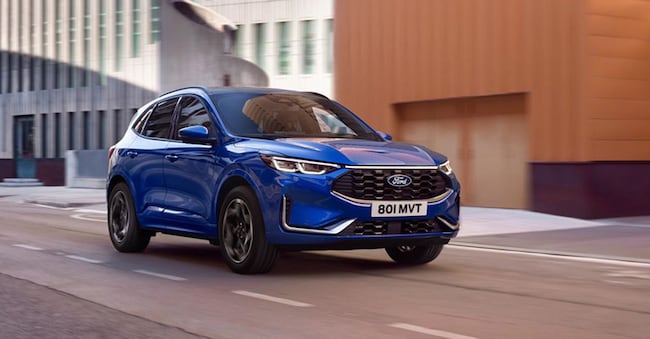
Ford and Geely will produce multi-energy vehicles through a joint venture at the Valencia plant (Spain), where the Kuga will continue to be manufactured. The move secures the future of the Spanish factory, where a new generation of low- and zero-emission vehicles, designed for the European market, will be produced. From 2028, Ford will have a new multi-energy crossover and a new addition to the Bronco family, and two Geely electric SUVs will be produced, accelerating Geely Auto’s European expansion and supporting Ford’s product offensive, which will bring five new cars to European dealerships by 2029.
The agreement with Geely was announced a month ago. Ford is strengthening its presence in Europe. Following a difficult period linked to low registration figures for its electric range and the discontinuation of high-volume models such as the Fiesta and Focus, the American manufacturer has announced a relaunch plan for Europe. Dubbed “Ready, Set, Ford”, the strategy includes expanding the commercial vehicle division but, above all, five new multi-energy vehicles, including a new hybrid model from the Bronco range produced at the Valencia plant. This plant will see the arrival of Geely, with possible future collaborations.
The two brands had been in talks for several months
Ford’s current workforce will transfer to the new joint venture, and the plant will likely need to take on new staff to cope with the increase in production. The two car manufacturers had already been in talks about a partnership for several months. A partnership with a manufacturer such as Geely would probably not have been possible in Ford’s home market, where, in recent days, a US Senate committee has approved legislation to tighten the ban on all Chinese manufacturers entering the country.
Geely’s first production plant in Europe.

