
Ford: new strategy focuses on trucks, commercial vehicles and hybrids
By 2027, the American manufacturer aims to increase sales of hybrid, Ev and Erev vehicles by 37%

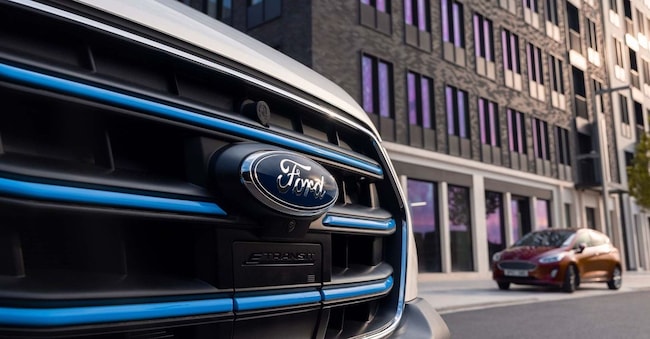
Ford Motor Company announced a radical change of industrial strategy, deciding to reallocate its capital towards the most profitable segments: trucks, commercial vehicles, hybrids and a new division dedicated to energy storage. The decision entails an extraordinary financial burden of around $19.5 billion, mainly related to the cancellation of several previously planned electric models. The most sensational news concerns the end of production of the current electric F-150 Lightning. In its place, Ford will launch a new generation based on EREV (Extended Range Electric Vehicle) technology. This new truck will be powered 100 per cent by electric motors, but will use an on-board petrol generator to recharge the batteries, providing an estimated range of more than 700 miles (over 1,100 km) and uncompromised towing capability. New priorities and 'Universal EV Platform': Ford is not abandoning electric, but changing its target. The development of 100% electric vehicles will focus on smaller and cheaper models (around 30,000), based on the new Universal EV Platform.
The first model will be a mid-size pickup in 2027. By 2030 then, Ford expects 50 per cent of its global sales to be hybrids, Erev and Ev (up from 17 per cent today). Almost every model in the range will have a hybrid option by the end of the decade. To this end, the Tennessee Electric Vehicle Centre will change its name to Tennessee Truck Plant and produce new petrol-powered pickups from 2029. The Ohio plant will instead produce a new commercial van with both petrol and hybrid power. A new line of business is in the brand's intentions. In fact, Ford will also invest $2 billion to launch a battery energy storage systems business. Using Lfp technology, the company will provide solutions for energy infrastructure and data centres, with the goal of reaching 20 GWh capacity by 2027. "The operational reality has changed," said CEO Jim Farley, emphasising that this choice is driven by customer demands and the quest for greater profitability. Despite the large write-downs, Ford raised its estimates for 2025 adjusted EBIT to around $7 billion, a sign of the strength of its traditional core business.

