
Former Ilva: AdI initiates collective redundancy proceedings for 80 per cent of managers
The collective redundancy procedure has been initiated for 40 of the 51 managers on permanent contracts, out of a total workforce of 73

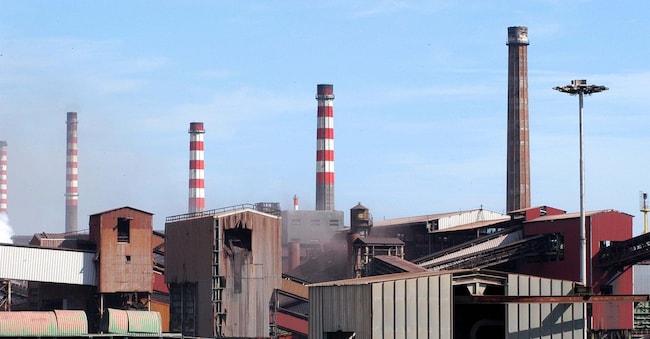
Acciaierie d’Italia, currently under special administration, has initiated collective redundancy proceedings for 40 of the 51 managers on permanent contracts, out of a total workforce of 73. This was announced by the special administrators in a letter dated 23 October addressed to Federmanager and the trade union representatives.
The managers involved in the procedure, as provided for by Law 223 of 1991 (which stipulates a maximum redundancy rate of 80 per cent), are distributed as follows: 31 work in Taranto, 16 in Milan, two in Genoa and two in Novi Ligure. The administrators state ‘that, in line with the new organisational model, the adjustment process will also be initiated with regard to managers on fixed-term contracts, even though they are not affected by this procedure’.
The decision stems from the reorganisation made necessary by the order of the Milan Court of Appeal dated 27 July, which ordered the suspension of production activities in the hot section of the Taranto plant by 25 October. The ruling, the enforceability of which was confirmed in September, required the cancellation of orders for the supply of raw materials and the phasing out of the integrated production cycle. The reduction in operations, as stated in the announcement, necessitates a new organisational structure to ensure the financial viability of the insolvency proceedings.
The redundancies relate to managerial roles involved in the technical and operational support of the hot area, as well as management and staff positions that are no longer required. The redundancies will be notified once the trade union consultation process has been completed, within a maximum of 120 days from its conclusion, unless otherwise agreed. The company states that it is willing to consider outplacement programmes, financial support measures and early retirement incentives.

