
Formula One returns to Africa; Rwanda secures contract for Grand Prix races
Services will begin after 2030, ending a hiatus that had lasted since 1993
from our correspondent Alberto Magnani
 Aggiungi Il Sole 24 Ore
ai preferiti su Google
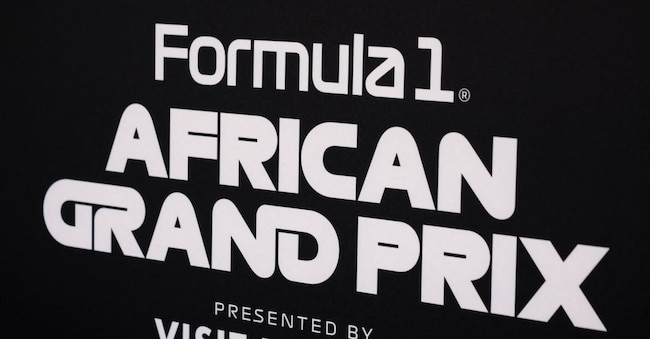
NAIROBI – Formula One is set to return to Africa. Paul Kagame’s Rwanda has officially secured a ten-year contract to host a Grand Prix on its soil from the start of the next decade, bringing to an end a wait that has dragged on since 1993: the year of the last race held at the Kyalami circuit in South Africa, near the financial hub of Johannesburg.
Kigali had officially submitted its bid a couple of years ago, in a contest that had also seen proposals from ‘old’ South Africa and other continental competitors. In the end, it succeeded in securing the agreement for the Grand Prix races from 2030 onwards, against a backdrop that was a delicate balance between Kigali’s investment drive and the tensions pervading the small but prosperous country on the border between Central and East Africa.
The Rwandan circuit is expected to be built near Bugesera Airport, a facility currently under construction 40 kilometres south of Kigali. According to Reuters, it is expected to be completed within the decade. “Africa is home to over 100 million Formula One fans, and the numbers are growing rapidly,” said Stefano Domenicali, CEO of the Formula One Group. The South African authorities have taken note of the outcome and congratulate Kigali, but appear open to the prospect of a double African Grand Prix.
Kagame’s mixed record
The announcement of the ten-year contract marks another public relations victory for Kagame, who finds himself caught between his well-established international reputation and criticism from within the country and the region regarding his autocratic rule. Kagame, a 68-year-old former Tutsi officer, has been in power since 2000 and is regarded as one of the architects of Rwanda’s recovery from the devastation of the 1994 genocide. Under his rule, which has now spanned more than a decade, the country has re-established itself as an innovative and tourist hub at the heart of the continent, whilst also promoting itself in the sports industry through partnerships with major football clubs and the organisation of events ranging from tennis to the 2025 World Cycling Championships. Kigali’s popularity is tempered by domestic allegations of human rights abuses, the suppression of dissent and an opaque role in the conflict between the Congolese army and militiamen from the M23 group, which is regarded as a Kigali outpost on the eastern border with the Democratic Republic of the Congo. Another sensitive issue concerns the migration agreements signed with countries such as the United Kingdom and Israel for the ‘transfer’ of irregular migrants to its borders, a scenario also being considered by some countries within the EU.
The country’s very role in the border war had been cited as a factor working against its bid, but the outcome turned out differently. “Today is Africa’s day,” declared Kagame. “For over three decades,” he emphasised, “the world’s most important motor racing championship has taken place without this continent, but with this agreement, things are changing. This ten-year partnership also represents an investment in Rwanda’s future.”


