
Fos (Prysmian) changes skin: hydrogen hypothesis to overcome fibre crisis
A reindustrialisation project of the Jcoplastic group for hydrogen storage and electrolyser manufacturing was presented at Mimit: employment maintained

2' min read
2' min read
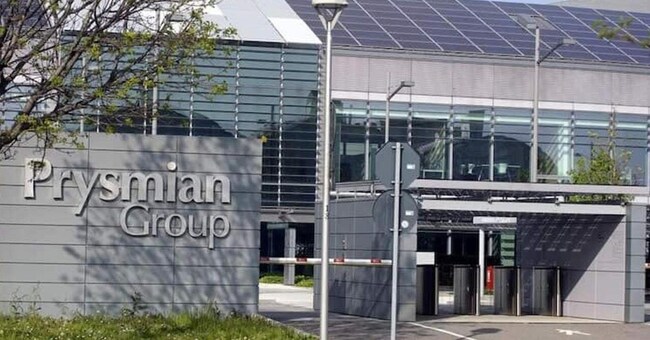
The future of the Prysmian group's Fos plant in Battipaglia (Salerno) could be linked to hydrogen. After 10 months, the dispute involving 278 workers, which arose as a result of the crisis at the site where optical fibre is produced, is beginning to have its first concrete development. In a meeting at the Ministry of Enterprise and Made in Italy, between the trade unions, Filctem Cgil, Femca Cisl, Uiltec Uil, local institutions, the managers of the Prysmian group (owner of the plant), and the managers of Jcoplastic (Foresti group), which is interested in taking over the production site, a reindustrialisation proposal was presented that will lead to a change of ownership of Fos. The company that is supposed to take over, Jcoplastic, said it was willing to maintain the jobs of those who want to be part of the project.
For Minister Adolfo Urso, 'the resolution of the dispute concerning Fos in Battipaglia represents a real turning point for the territory and for the workers involved, who finally have in front of them a prospect of re-employment thanks to a credible and lasting development project'. Present at the ministerial monitoring table, where the next steps in the possible development of the plan were presented to the workers' representatives, were Ernesto Marzano, Fos human resources manager, and Antonio Foresti, managing director of Jcoplastic. 'The ministry will continue to monitor the process, giving the necessary support for the success of the project,' assured undersecretary Fausta Bergamotto.
For the trade unions it is 'a first step that looks at maintaining manufacturing through the circular economy, the right transition, innovation and investment, including in professionalism and skills: central points for an industry in southern Italy that looks to the national and European future,' they write in a note.
The path of reindustrialisation has hydrogen storage, digitalisation and interfacing with the electricity distribution network at its centre, and the realisation of electrolyser manufacturing. For the trade unions, this is 'a path that fits in well with accompanying the right transition, also from a social point of view, with the maintenance and strengthening of industrial relations. Certainly the change of production will require an important training course for all employees who will become part of the project.

