
Theft of china and silverware at the Elysée Palace: head butler and accomplices on trial
Around one hundred pieces including Sèvres porcelain, Baccarat glasses and silverware have disappeared from the Elysée Palace inventory and re-emerged online

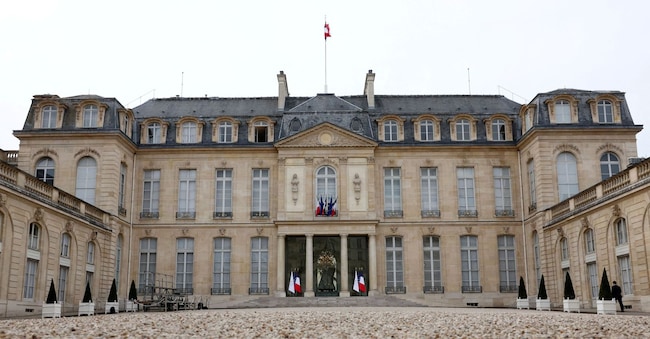
Objects used at state receptions - Sèvres porcelain, Baccarat glasses, copper saucepans, a Lalique statuette - slipped out of France's most heavily guarded palace and ended up on the digital market. The investigation into the Elysée Palace's head butler, accused of having stolen around a hundred pieces, comes as the country is already shaken by a sequence of thefts in iconic institutions, from the Louvre to other Parisian museums.
An 'inside job' in the president's house
According to the Paris Prosecutor's Office, three people will appear at trial for the disappearance of silverware and crockery from the Palais de l'Élysée, the official residence of the President of the Republic. The estimated value of the missing objects is between EUR 15,000 and EUR 40,000. For the magistrates, this was not an intrusion from the outside but an action related to access and knowledge of those who work daily in the halls and storerooms of the palace.
The argentier, the one who knows inventories and habits
At the centre of the investigation is a 'silverware keeper/argentier', i.e. the figure in charge of managing and guarding service and representation items. Reuters identifies the main defendant as Thomas M. (shortened name for French practice) and reports that with him was arrested his partner Damien G., while a third man, Ghislain M., is suspected of receiving stolen goods.
The Discovery
The breakthrough stemmed from an internal report, with the chief steward of the Elysée Palace noticing the shortages and reporting them. At that point, some items would have been recognised online and this made it possible to link the disappearances to a sales channel on Vinted, a second-hand platform. A detail that is not insignificant, given that in 2025 a part of the 'parallel' market will no longer pass only through antique dealers and traditional intermediaries, but through sites and apps that make the sale easy, quick and potentially difficult to monitor in real time.
Not just any pieces
The list of recovered objects gives the measure of the symbol. Copper pots, Sèvres porcelain, Baccarat glasses and a statuette by René Lalique. Not just any pieces, but brands that in France refer to historical manufactures and a State aesthetic: the ceremonial table, official visits, diplomacy. This is why the magistrates qualify the goods as heritage, with a stricter system of sanctions.

