
Francesca Ghezzani, testimonies from prison
Halfway between essay and investigative fiction, 'The Silence Within', Swanbook Editions, is an example of 'constructive journalism'

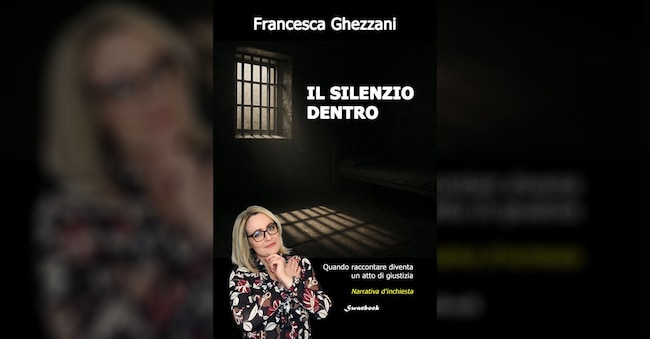
The shy smiles of those who seek a contact to tell their story, the angular features of those who, instead, want to avoid any connection with those from outside, lowering their eyes. And then that world and the melancholy of those who, at night, remain locked in their cells between bars and iron gates, and must come to terms with the world inside. That of prison, made up of rituals, silences and screams, hopes and broken dreams. Falls but also recovery and redemption between solidarity and the desire to live a new life. A complex world, inside and out, that Francesca Ghezzani recounts in her book "Il silenzio dentro - Quando raccontare diventa un atto di giustizia", Swanbook Edizioni, 286 pages 16 euro.
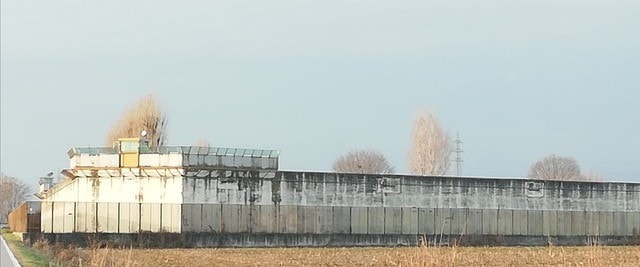
It is a journey into a complex and almost unexpected world that begins with a search, objects left at the entrance, and where one has the feeling of being undressed to go and see and tell what goes on behind the walls, beyond the bars.
"The idea for this book was born some time ago, but was fully confirmed after my visit to a prison as a journalist in 2023,' says the author. 'Since then I have been asking myself, without giving in to the rhetoric of good intentions and aware that not everyone is ready or willing to change, what is really needed so that justice can take its course and those who have committed a crime, but wish to start again, can count on real reintegration that keeps them away from reoffending.
And then the questions that Francesca Ghezzani poses: 'How can we ensure that freedom regained is no more frightening than prison itself? And that detention, if experienced as an authentic re-education process, becomes an investment for those who go through it and a guarantee for the whole of society and its security?".
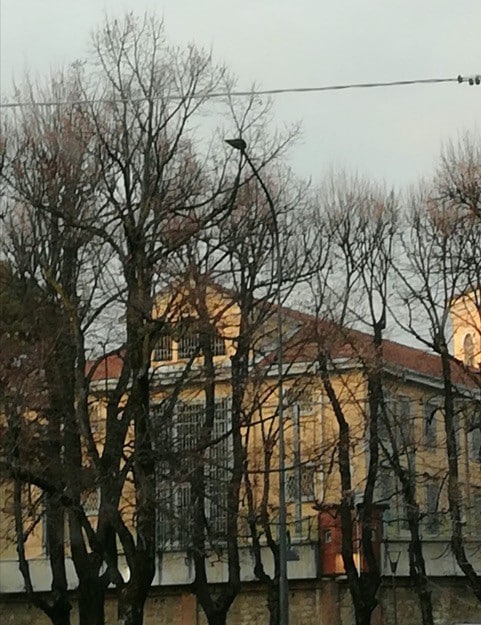
Interviews with prisoners
In her journey, Francesca Ghezzani brings together the voices that populate this small universe: there are the interviews of prisoners, the stories of former inmates who now live free after a long rehabilitation. But there are also those of experts, from priests to doctors, continuing with the entrepreneurs and communication operators who gravitate around this system. i am well aware that giving a voice to categories that are socially disadvantaged but still guilty of having committed one or more crimes can be considered a slippery slope in the eyes of public opinion," the author writes in the presentation, "also because the risk of falling into the rhetoric of good intentions or into often sterile politically-motivated polemics is just around the corner.

