
Brussels kicks off European savings and investment accounts
The European Union deploys initiatives to support financial education

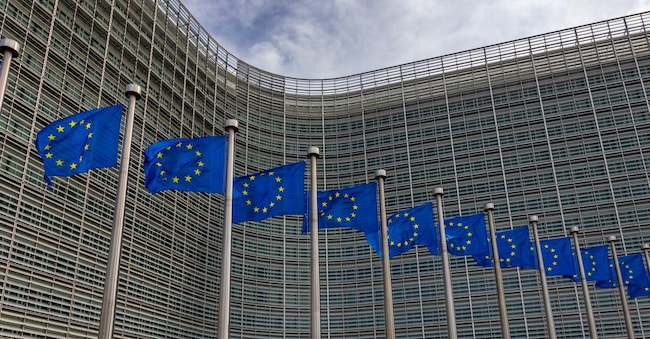
The EU Commission today presented a strategy to strengthen the financial education of European citizens and create a new common investment instrument: the European Savings and Investment Accounts.
"With European Savings and Investment Accounts, citizens will be able to get better returns" by supporting "EU business financing, economic growth and job creation", says Financial Services Commissioner Maria Luís Albuquerque. A framework partly similar to the savings and investment accounts already existing in Italy with the Piani individuali di risparmio (Pir).
Financial Literacy
The financial literacy strategy 'aims to help citizens make informed financial decisions, ultimately improving their well-being, financial security and independence'.
According to Brussels, 'with the right combination of financial knowledge and skills, citizens can better manage their budget, avoid scams and fraud, save more efficiently and feel better equipped to invest for their future'.
The Strategy, which is part of the future Savings and Investment Union, aims on the one hand to improve the financial skills of citizens. The idea is to work with Member States to disseminate literacy programmes, educational tools and awareness-raising campaigns, with the aim of helping households and individuals to better manage their budgets, save more and plan long-term investments. Currently, it is estimated that only 18% of the European population is financially literate. On the other hand, the Commission proposes a common model for Savings and Investment Accounts, which will enable citizens to put their savings to good use with easier access to diversified financial products, while ensuring a uniform regulatory framework in the EU.

