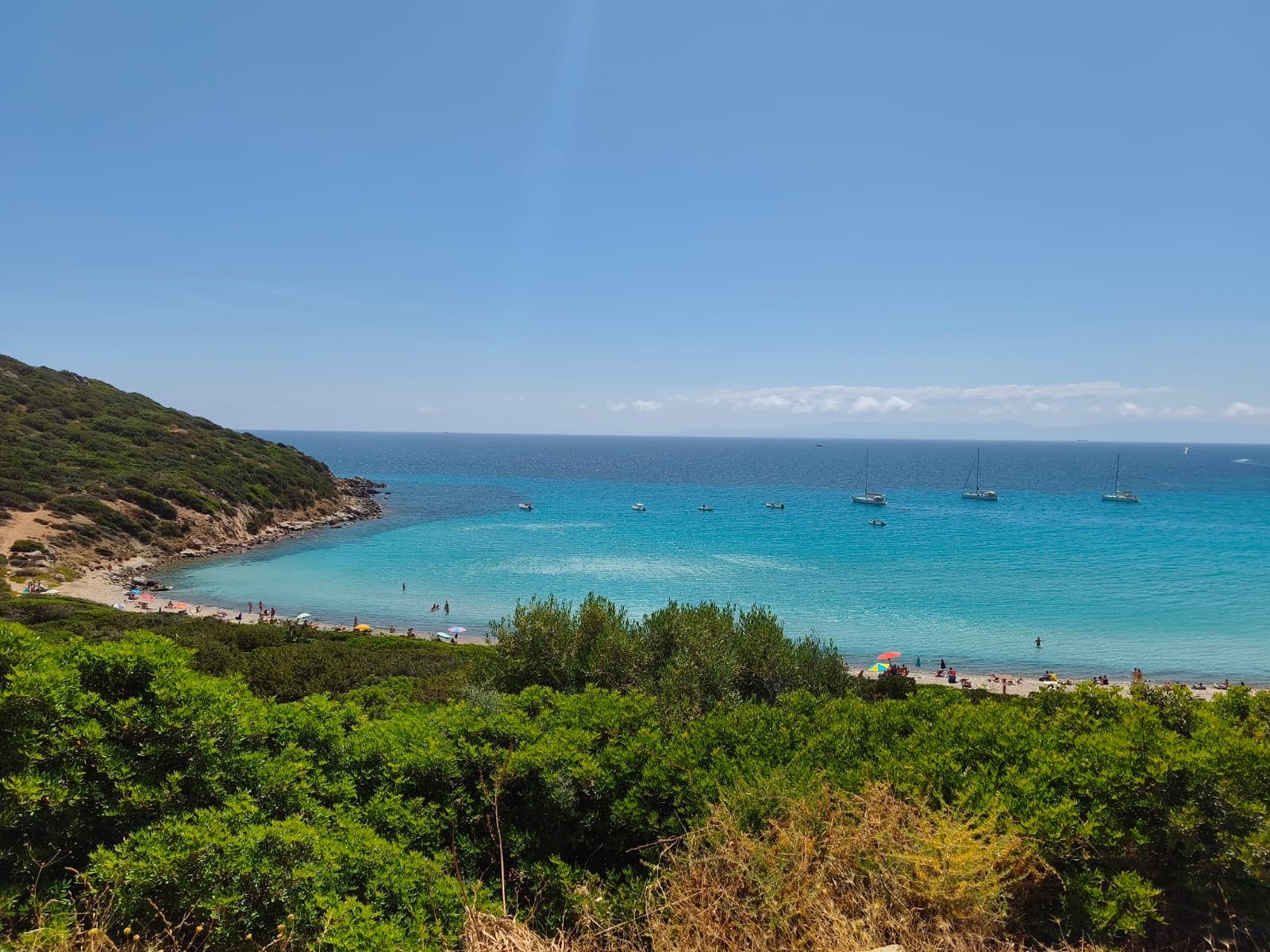
From Cagliari to Capo Spartivento, across the turquoise sea, through salt pans, forests and mines
It is a region steeped in millennia of history, such as that of the Molentargius-Saline Regional Nature Park, the Sarrabus area with the Settefratelli State Forest, and the Santa Barbara Mining Trail

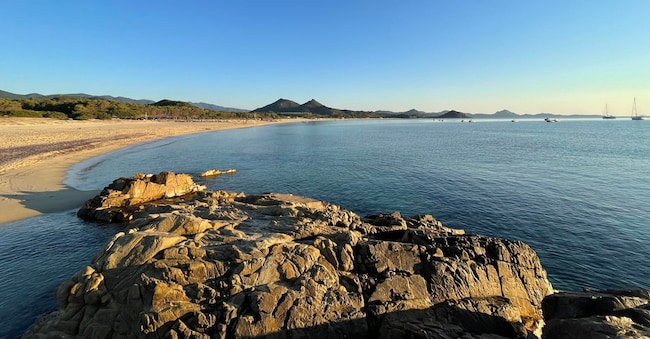
Visitors to southern Sardinia are almost always drawn to the sea and the beaches, but you only need to look a little further afield to find yourself immersed in a variety of landscapes featuring salt pans, woodlands and ancient mines. This region has plenty of surprises in store and tells stories stretching back thousands of years, which you can discover through some of the most fascinating experiences on offer in the southern part of the island.
Where does the ancient connection with salt originate?
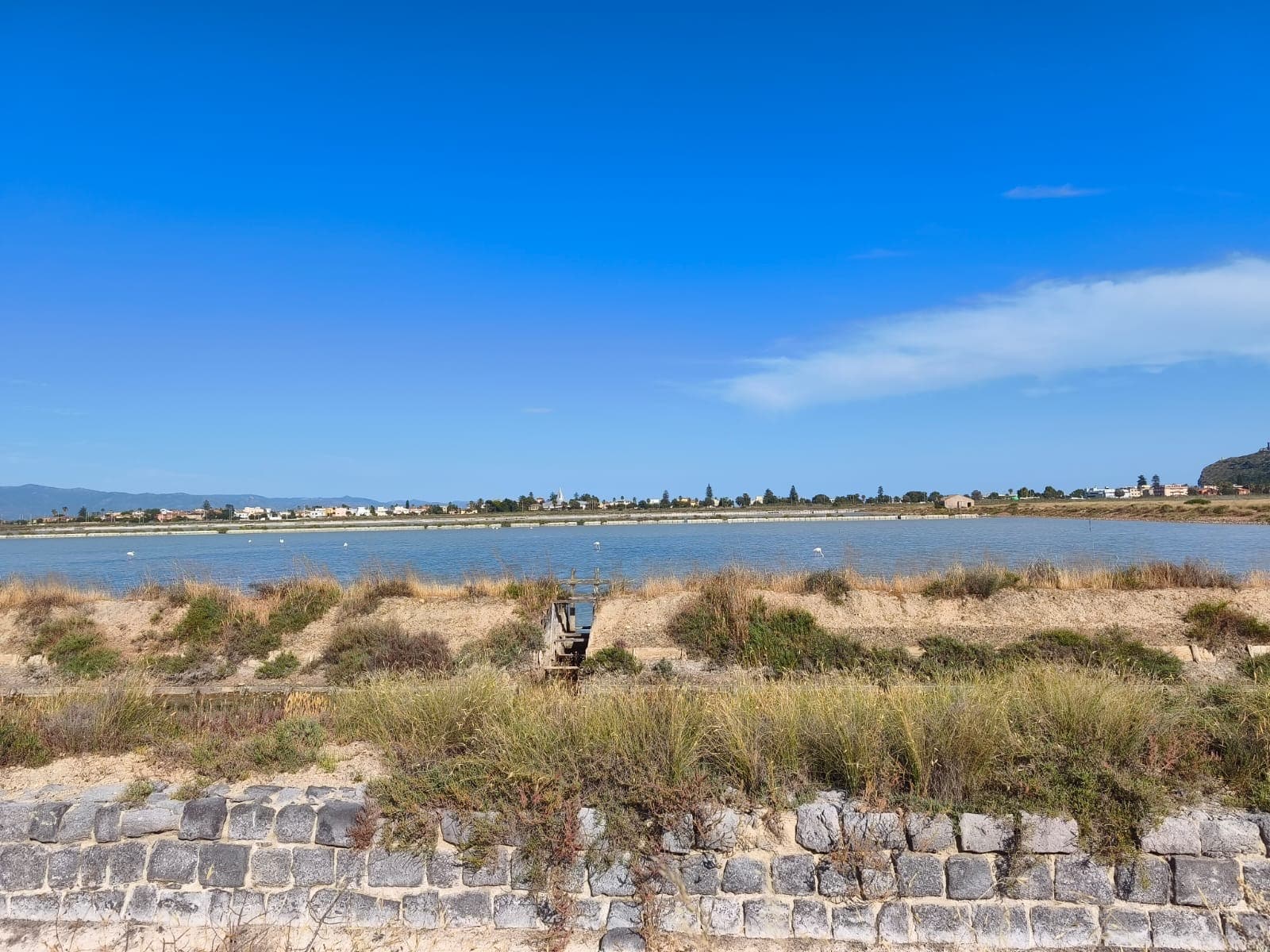
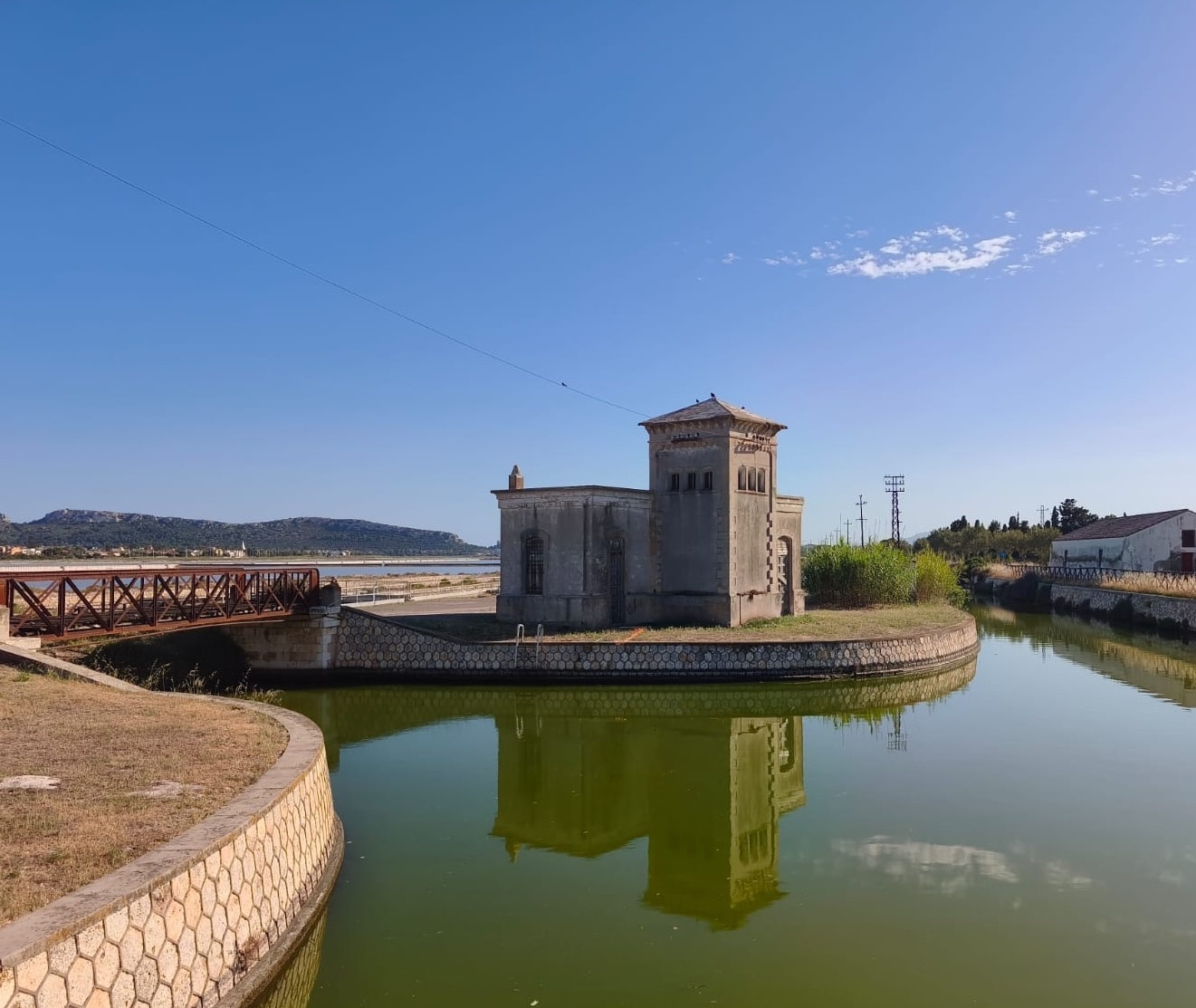
In Cagliari, salt extraction was for a long time one of the city’s main economic resources. Traces of this millennia-old history, documented as far back as the Phoenician era, can still be seen today, particularly in two places: the Molentargius-Saline Regional Nature Park, a protected oasis created following a process of transformation when salt production ceased in 1985, and the Saline Conti Vecchi, still in operation in the Santa Gilla salt pan. Among the ponds of Molentargius (whose name derives from the Sardinian term for the donkeys that carried the salt), where salt was once extracted, the presence of industrial buildings still bears witness to the salt production of the early 20th century; today, visitors can walk through an ecosystem boasting the greatest avian biodiversity in Sardinia. A wetland recognised as the main nesting site for flamingos in the Mediterranean basin; a nature reserve that can be explored independently or on guided tours, on foot or by bicycle. A few kilometres further west, at the Santa Gilla salt pan, the Saline Conti Vecchi – protected and promoted by the FAI – tell the story of Sardinia’s ancient salt-making tradition. Here, along the visitor trail that winds its way through mountains of salt glistening in the sun’s reflection, tanks and historic industrial buildings, visitors can learn about a history that began in the late 1920s thanks to the vision of engineer Conti Vecchi, who, through a project to reclaim and develop the lagoon, transformed the area into one of the island’s most important industrial complexes.
In the realm of the Sardinian deer
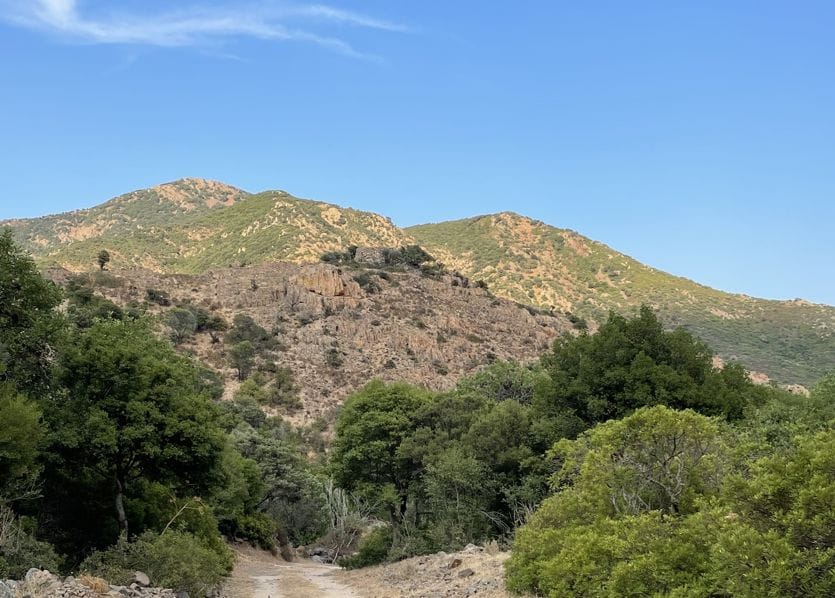
Leaving the Cagliari coastline behind and heading towards the south-eastern interior of Sardinia, you reach the Sarrabus region. It is here that the lush Settefratelli State Forest stretches out, so named after the number of peaks that make up the mountain range extending across the municipalities of Sinnai, Burcei, Castiadas and San Vito. A protected area of almost ten thousand hectares that immerses visitors in the island’s most stunning natural landscape: woodlands of holm oaks, cork oaks and Mediterranean scrub alternate and blend together, creating an environment rich in biodiversity and home to numerous animal species, of which the Sardinian red deer is undoubtedly the most iconic. Introduced to Sardinia some eight thousand years ago, this animal is so emblematic of the island’s fauna that it is celebrated with an exhibition and educational space dedicated to it. The Sardinian Deer Museum, located at the Settefratelli visitor centre in Campu Omu, immerses visitors in the life and history of this majestic mammal. Particularly popular with those who enjoy hiking and mountain biking, the Settefratelli Forest boasts an extensive network of trails. A good way to get to know the area’s natural environments is to follow the nature trail that winds around Campu Omu or to visit the Maidopis Botanical Garden, where you can learn more about the flora and fauna that make the Settefratelli complex so unique.
At a leisurely pace along the ancient miners’ paths
Southern Sardinia is also closely linked to its mining heritage, which forms an important part of its identity. One of the best ways to experience this is to follow the Santa Barbara Mining Trail, a walking route that takes you on a journey of discovery through Sardinia’s millennia-old mining history and the natural, historical and cultural heritage of the Sulcis-Iglesiente-Guspinese region. Stretching for around five hundred kilometres and divided into thirty stages, this circular route starts in Iglesias and can be tackled in its entirety or in sections. You walk along ancient paths once trodden by miners, with the constant presence of churches dedicated to their patron saint, Saint Barbara, amidst the remains of ore deposits and mining villages such as Nebida, Montevecchio, and examples of industrial archaeology that bear witness to the region’s mining history; a prime example of this is Porto Flavia, a mining site that emerges from the rock, overlooking the sea. The Santa Barbara Mining Trail is a leisurely experience combining history and nature; you’ll pass through coastal landscapes, reach the famous Pan di Zucchero sea stack, beaches, villages where the sea takes centre stage – the route also stops at Carloforte, on the island of San Pietro, and Sant’Antioco – as well as lush forests, mountains such as the Marganai massif, and surprising sites such as the Is Zuddas caves in the municipality of Santadi.
Where the sea looks like a painting
After discovering salt pans, forests and ancient mining sites, it is the sea that captures your attention, drawing your gaze back to the most famous landscape in southern Sardinia. Long stretches of pristine white sandy beaches, crystal-clear waters, wind-sculpted dunes and shady pine forests make this stretch of coastline truly unique. The journey to discover this landscape can begin right on the outskirts of Cagliari, with the eight-kilometre-long city beach of Il Poetto and a sea that takes on ever-changing hues, following the rhythm of the light from dawn to dusk. These hues follow one another all along Sardinia’s eastern coast, so it is no surprise that Mari Pintau beach, in the municipality of Quartu Sant’Elena, owes its name to a sea that looks as though it has been painted; before reaching Villasimius, one of the most renowned seaside resorts in southern Sardinia, home to equally picturesque coves and beaches, such as Cala Sinzias, in the municipality of Castiadas, where a long stretch of fine sand meets a sea with luminous turquoise reflections. The stretch of coastline hugging Sardinia’s south-western flank is no less charming and evocative. A landscape dominated by the famous beaches characterised by wind-sculpted dunes, such as those at Piscinas and Porto Pino, alongside the variety of coastlines and coves of the Sulcis archipelago, including the island of San Pietro and the town of Sant’Antioco. Continuing once more towards Cagliari, the eye is drawn to Sardinia’s most famous stretch of coastline, where iconic sights such as Tuerredda beach, Chia and the promontory of Capo Spartivento can be found. An alternation of crystal-clear sea and white sand that encapsulates the extraordinary variety of Sardinia’s stunning southern coastline.