From crime to ransom: stories of boats and the law
The last boat confiscated from the Mafia and converted by the Lega Navale into a marine laboratory sets sail
by Raffaella Calandra
 Aggiungi Il Sole 24 Ore
ai preferiti su Google
From a tool for illicit trafficking to a symbol of a crystal-clear maritime economy. The last of the 32 sailing boats – confiscated by the state from organised crime and transformed into symbols of professional and social redemption, as well as vessels of remembrance – sets sail from Syracuse.
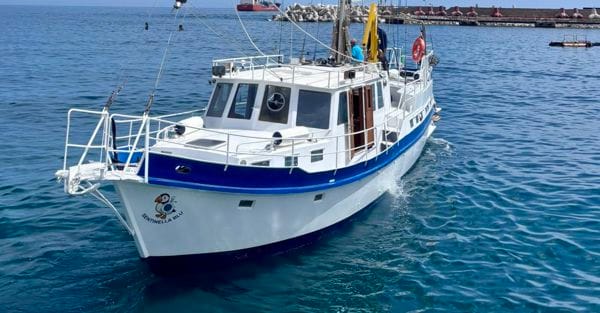
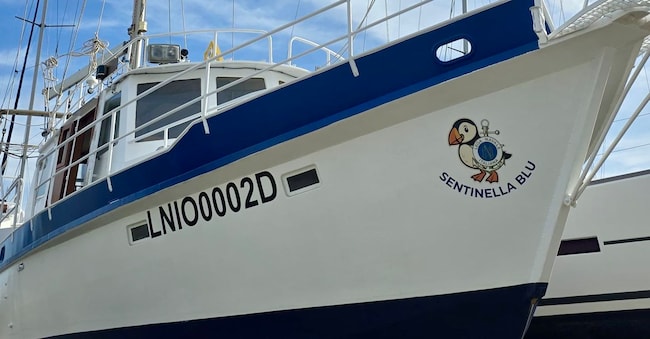
When, two years ago, the Italian Naval League launched the “Sea of Legality” campaign, the President of the Republic, Sergio Mattarella, was also present at the port of Ostia. Two years later, “Sentinella Blu” also set sail – the last 16-metre motor-sailing vessel in the Baltic Sea, launched in 1974, confiscated in 2024 for trafficking migrants from Turkey, and now serving as a floating laboratory for monitoring marine protected areas.
From the Sicilian city, the boat will sail for three months between the Ionian and Adriatic Seas, carrying marine biologists, researchers and students engaged in scientific observations, environmental monitoring and public outreach. The aim is to combine research, environmental education and a culture of lawfulness, in the true spirit of the law on the social use of confiscated assets. Even a boat – whether used to transport weapons or drugs, employed by people-smugglers, or purchased with the proceeds of crime – can be transformed into a new resource for the community. And the protection of the sea.
During the three-month voyage, the experts on board the “Sentinella blu” will measure key parameters to assess the health of the marine ecosystem, ranging from temperature and salinity to oxygen levels, pressure and conductivity. The first area of study is the east coast of Syracuse, the Plemmirio Marine Protected Area, which safeguards over 2,400 hectares of sea with seabeds rich in biodiversity and important Posidonia oceanica seagrass beds. It represents one of the main natural laboratories. The first stop will be on 25 July in Crotone, to present the initial results of this monitoring; further stops will then be in Brindisi, Bari and Ancona, before reaching Trieste in October during the Barcolana regatta. At each stop, the results of the environmental monitoring will be presented.
Over the past two years, these boats – which were destined for scrapping, at a cost to the public purse, but have instead been given a new lease of life by volunteers from the Lega Navale – have carried very young people who had ended up in the criminal justice system, young people from disadvantaged suburbs, students from nautical colleges, sick children and people with mobility difficulties, thanks to the removal of architectural barriers. And young people who have been given an experience they would not otherwise have had – face to face with the sea.